
 Optical
 Duct | Unarmoured Cable
 Indoor Cables
 All Dielectric Self Supporting Cables
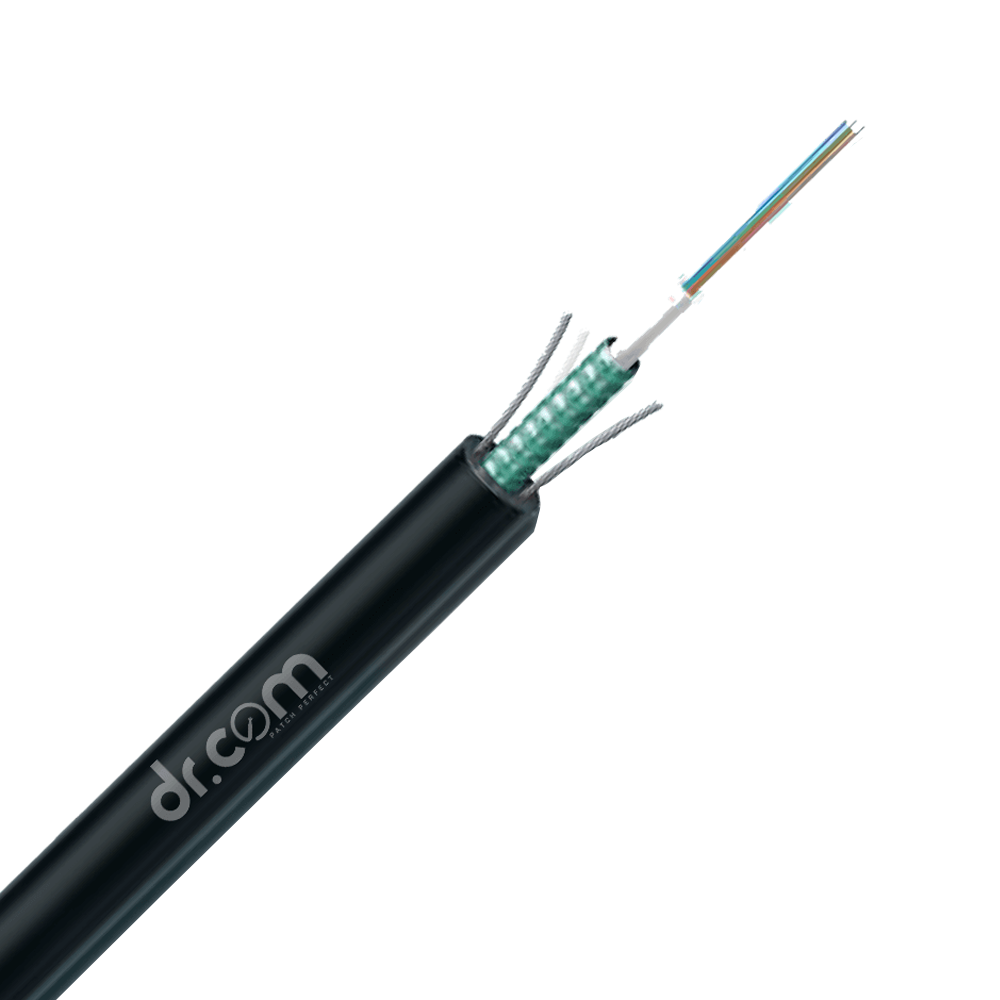 Armoured Cables
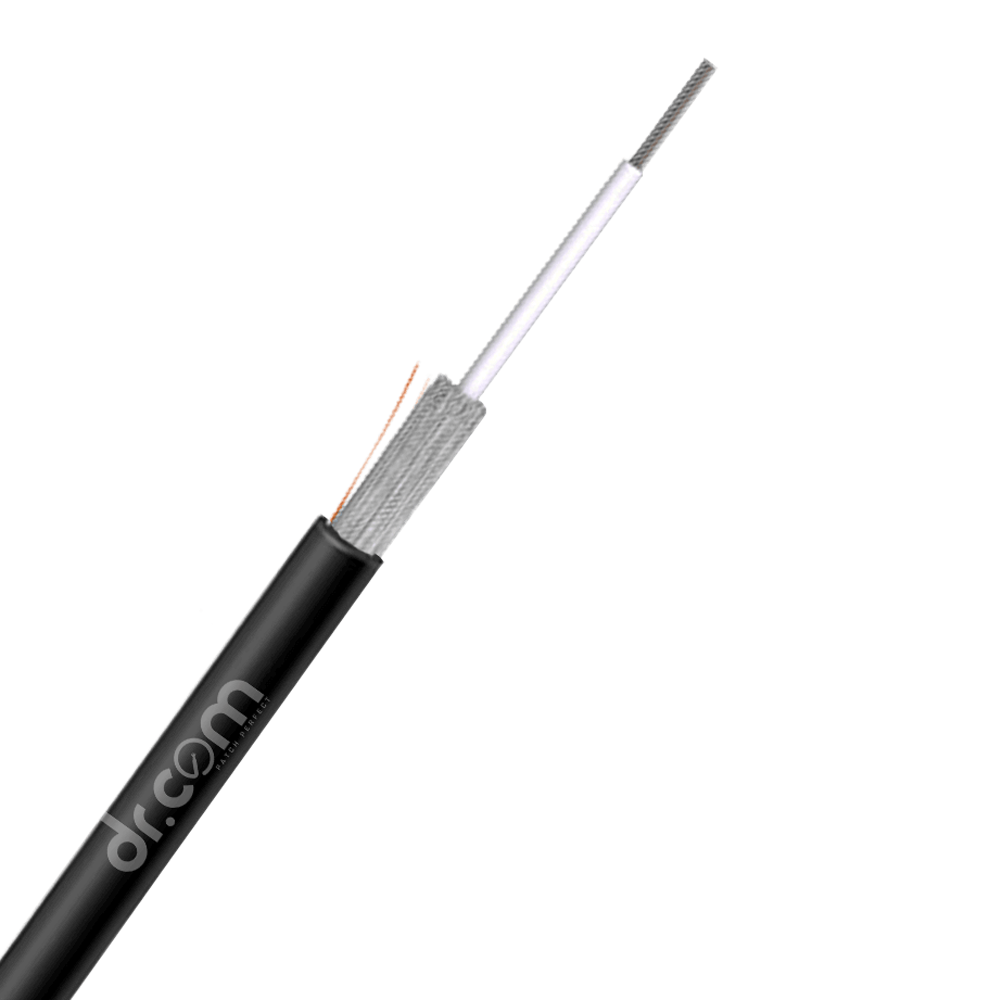 Drop Cables
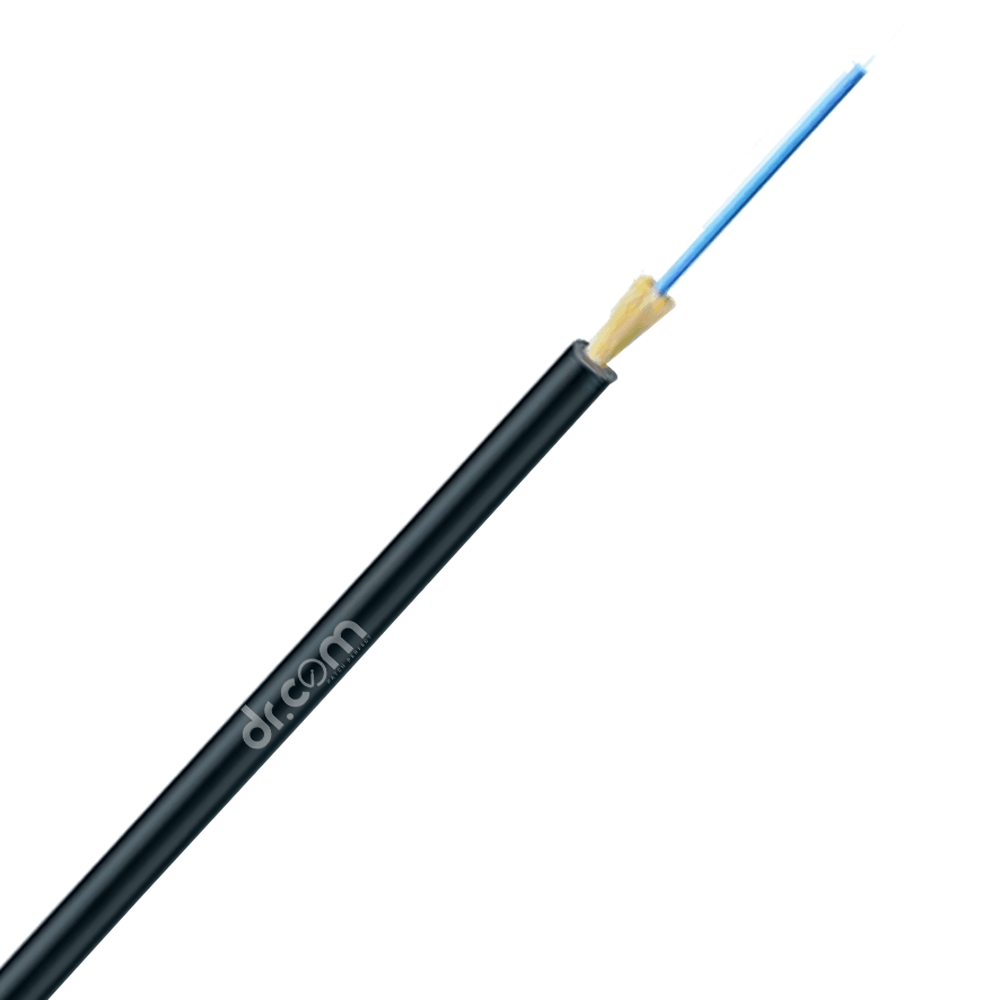 Interconnect Cables
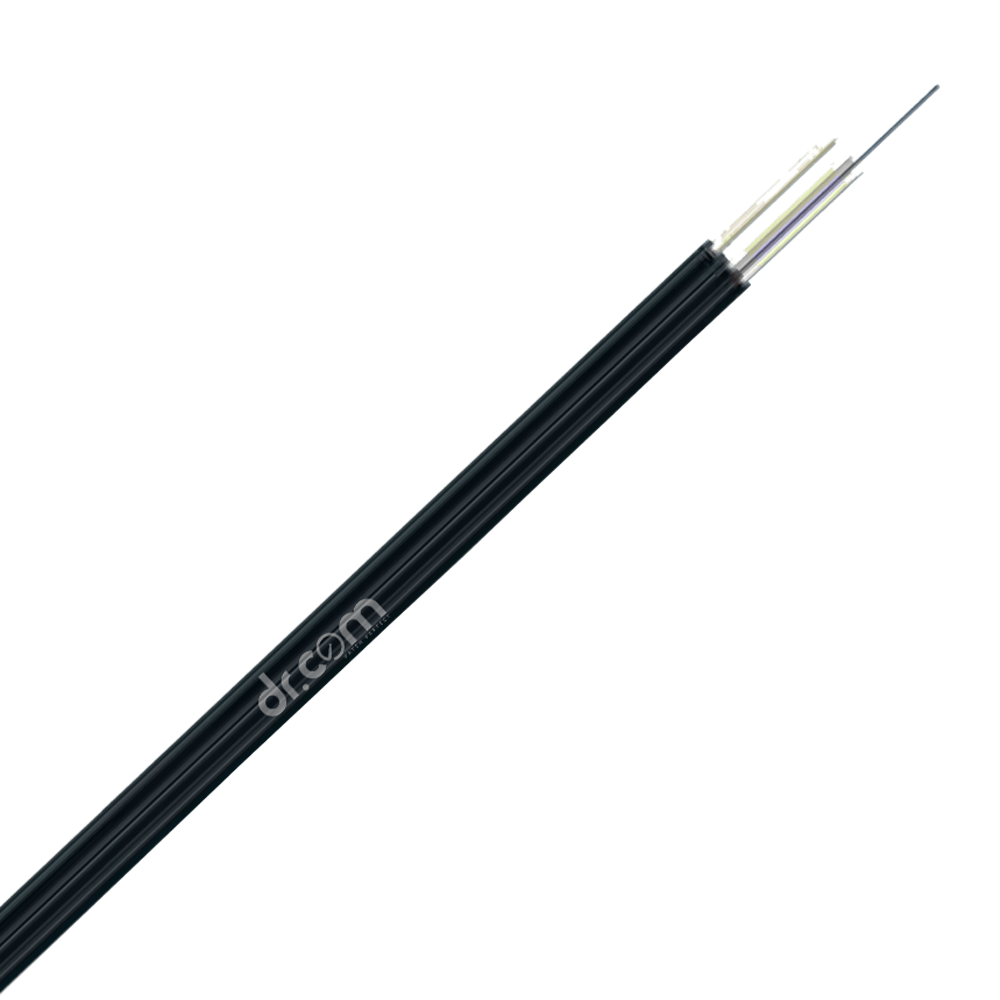 FTTH Cables
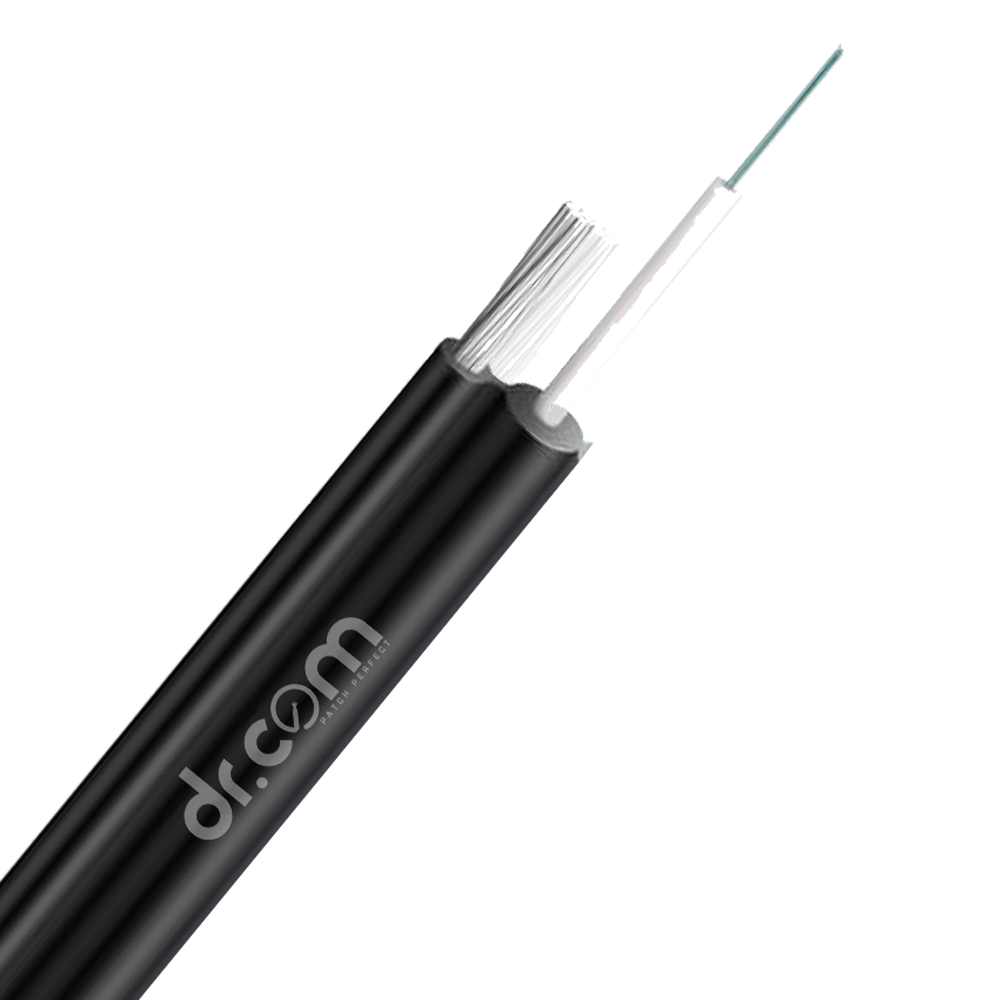 Figure-8 Cables
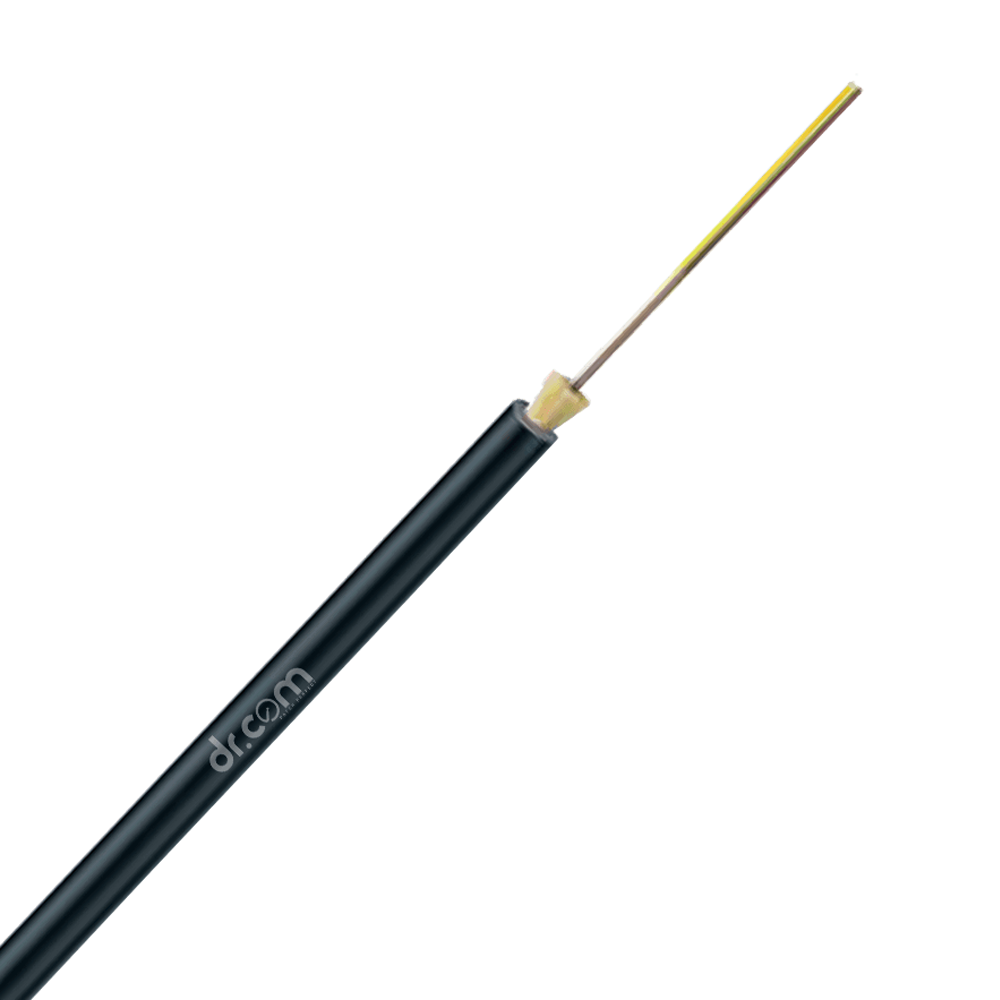 Micro Duct Cables
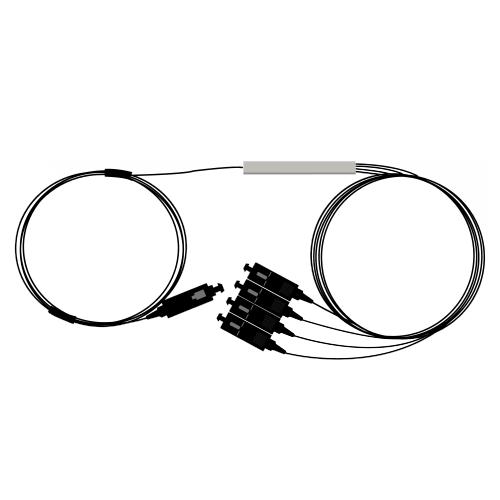 Splitters & Couplers
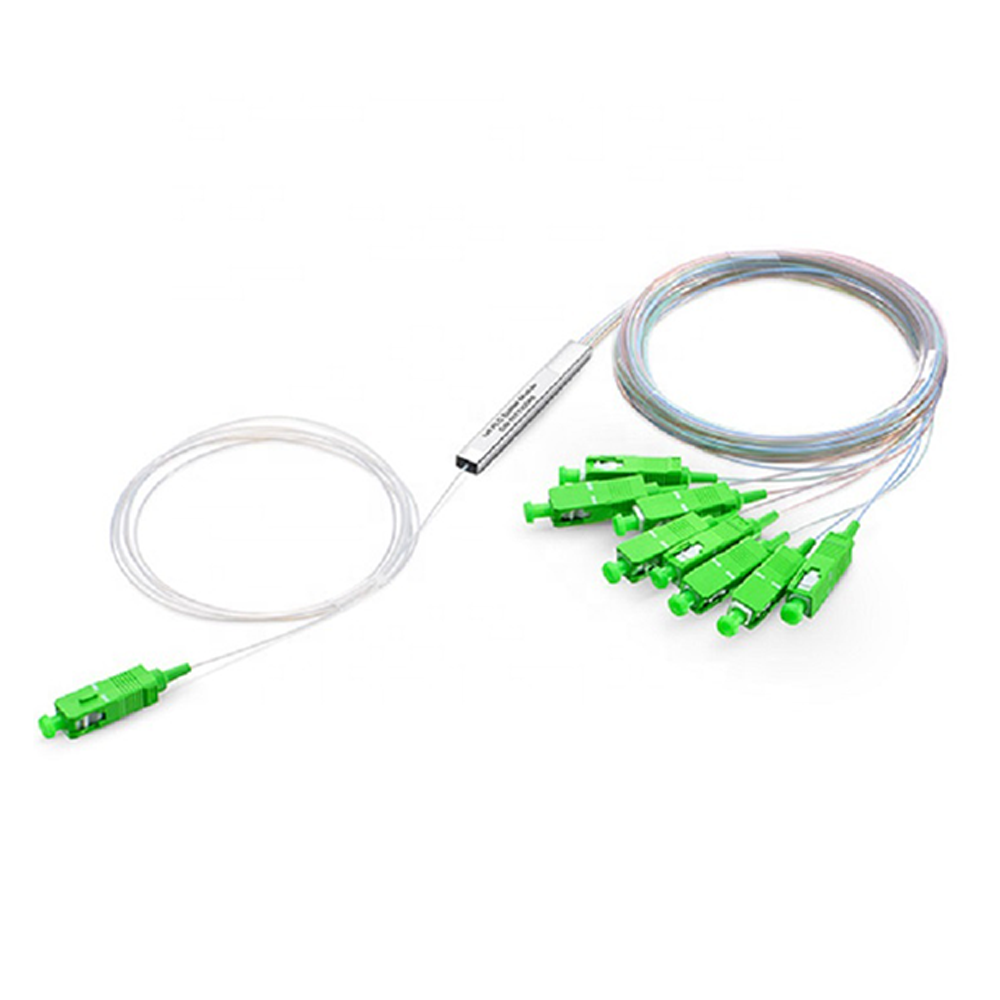 PLC Splitter with Connector
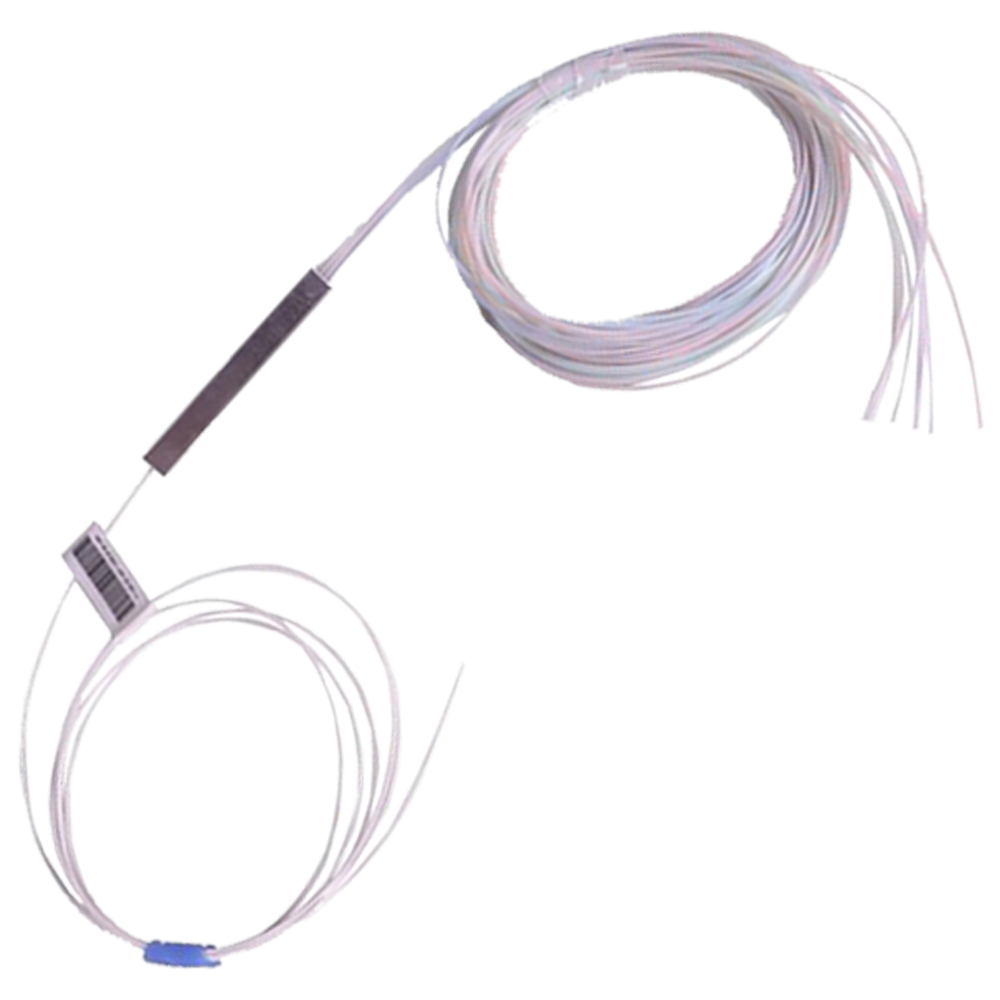 PLC Splitter without Connector
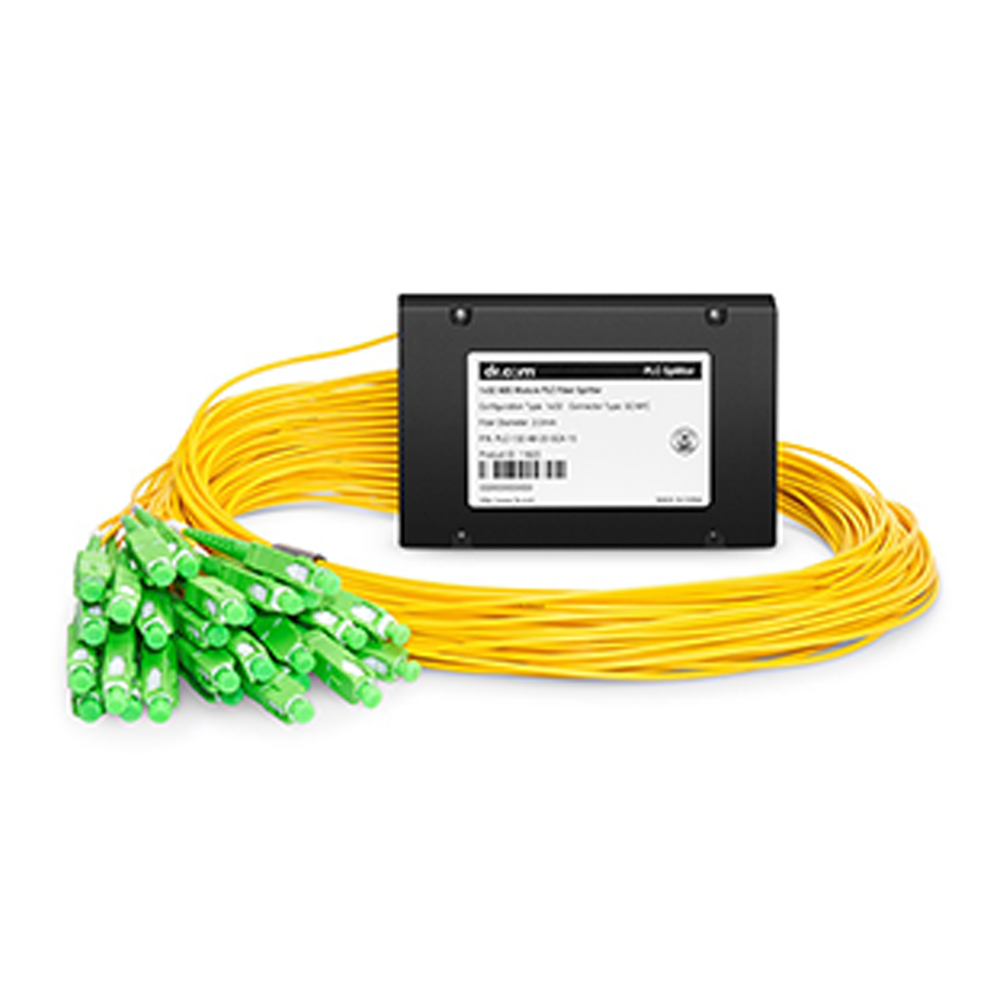 PLC Splitter ABS Type
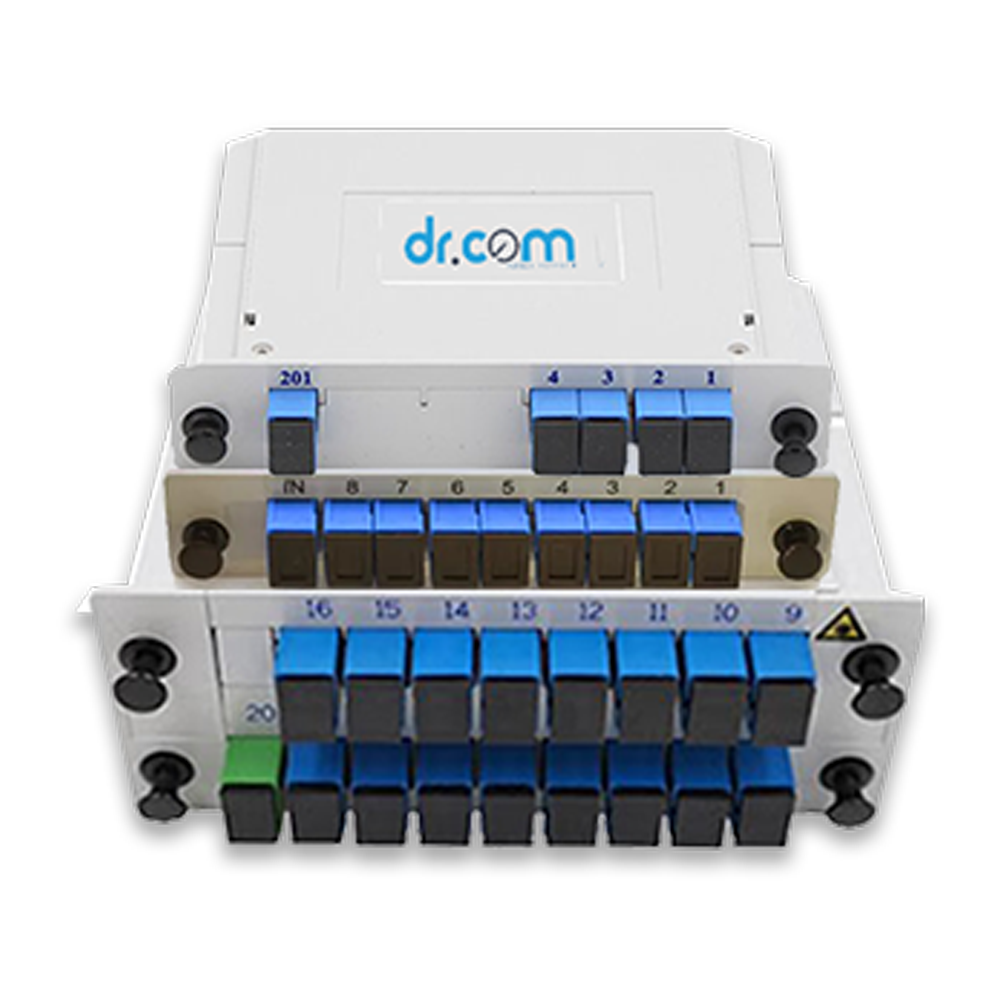 PLC Splitter PLC (Cassette) SC/UPC
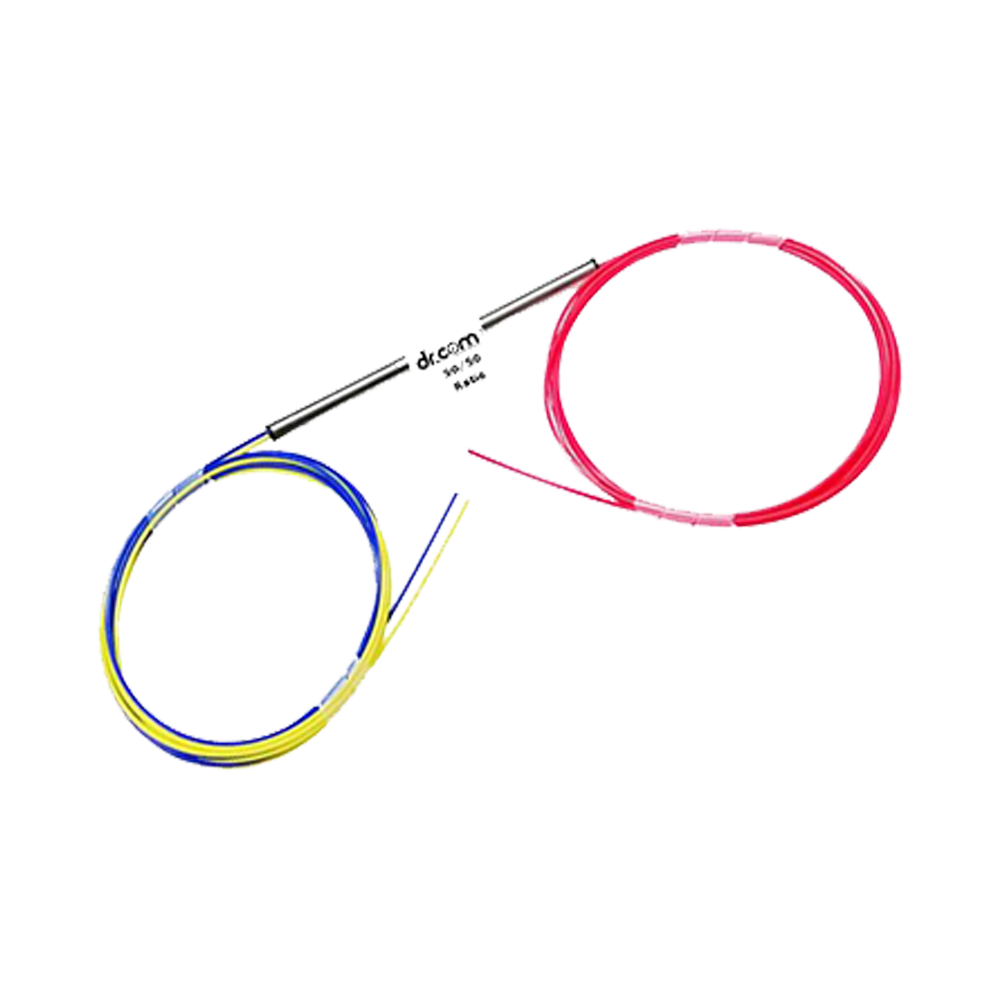 Ratio Coupler
 FTTH Patch Cords
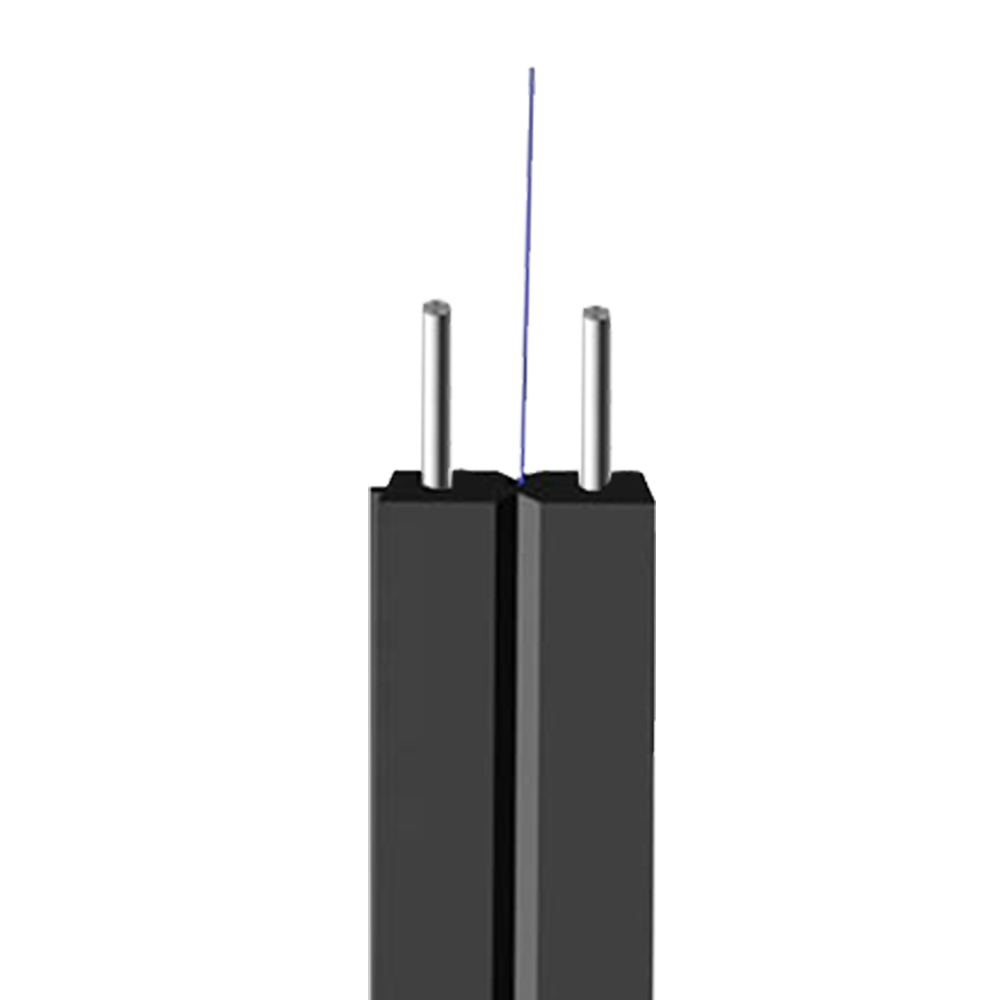 1F - 2 Steel +1 Support Steel Wire
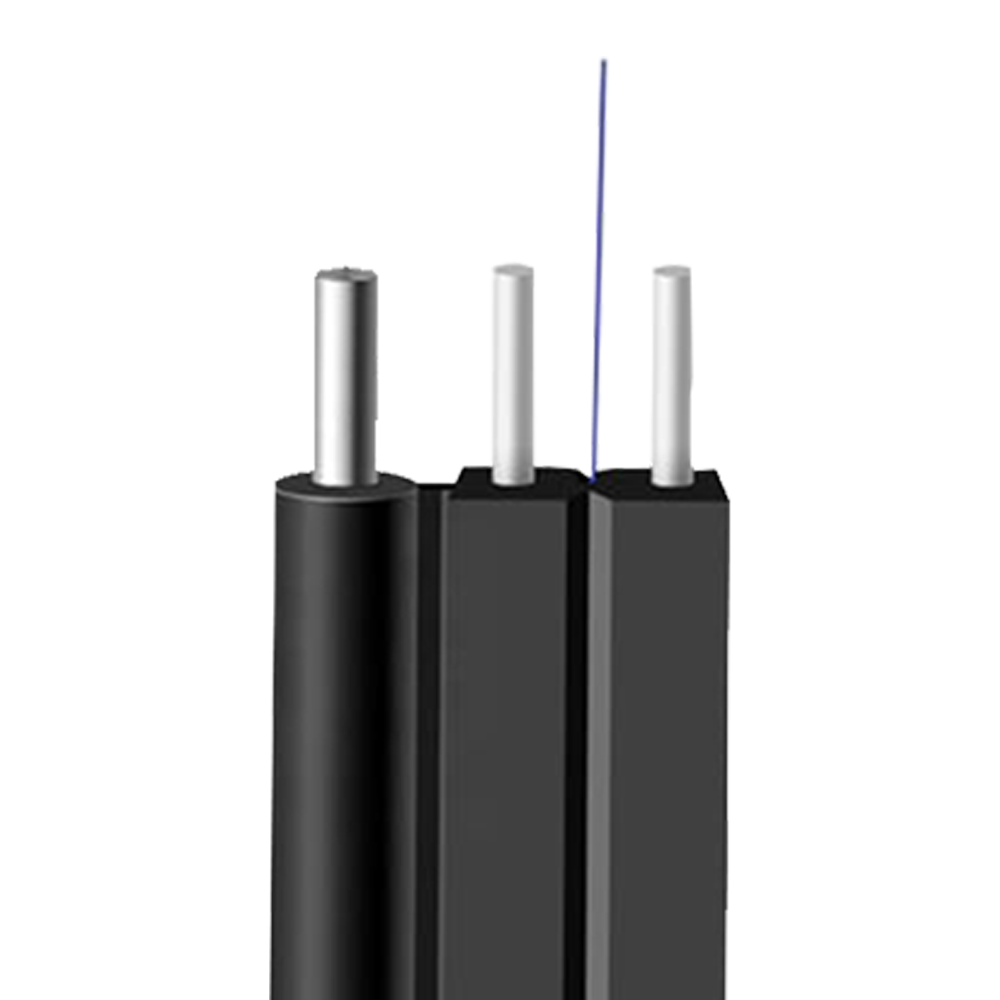 1F - 2-FRP - 1 Support Steel Wire
 Optical Patch Cords
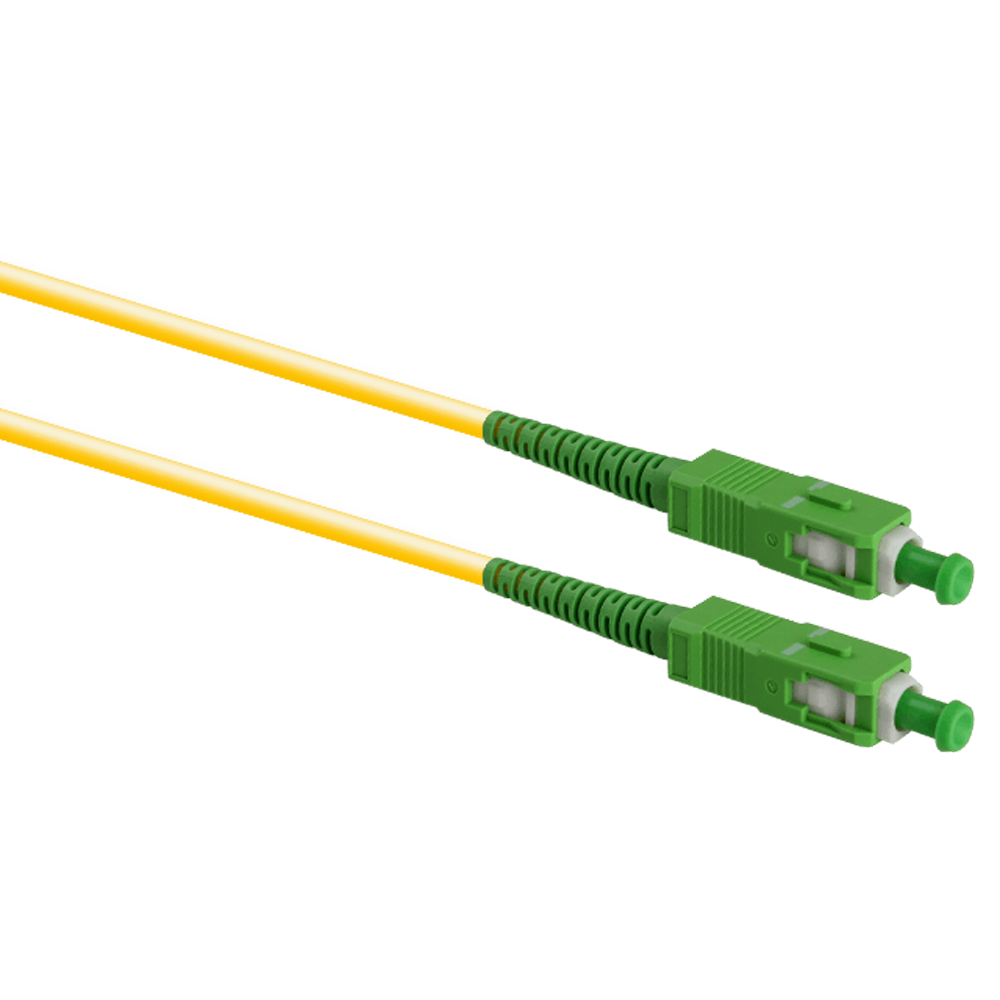 SC/APC - SC/APC
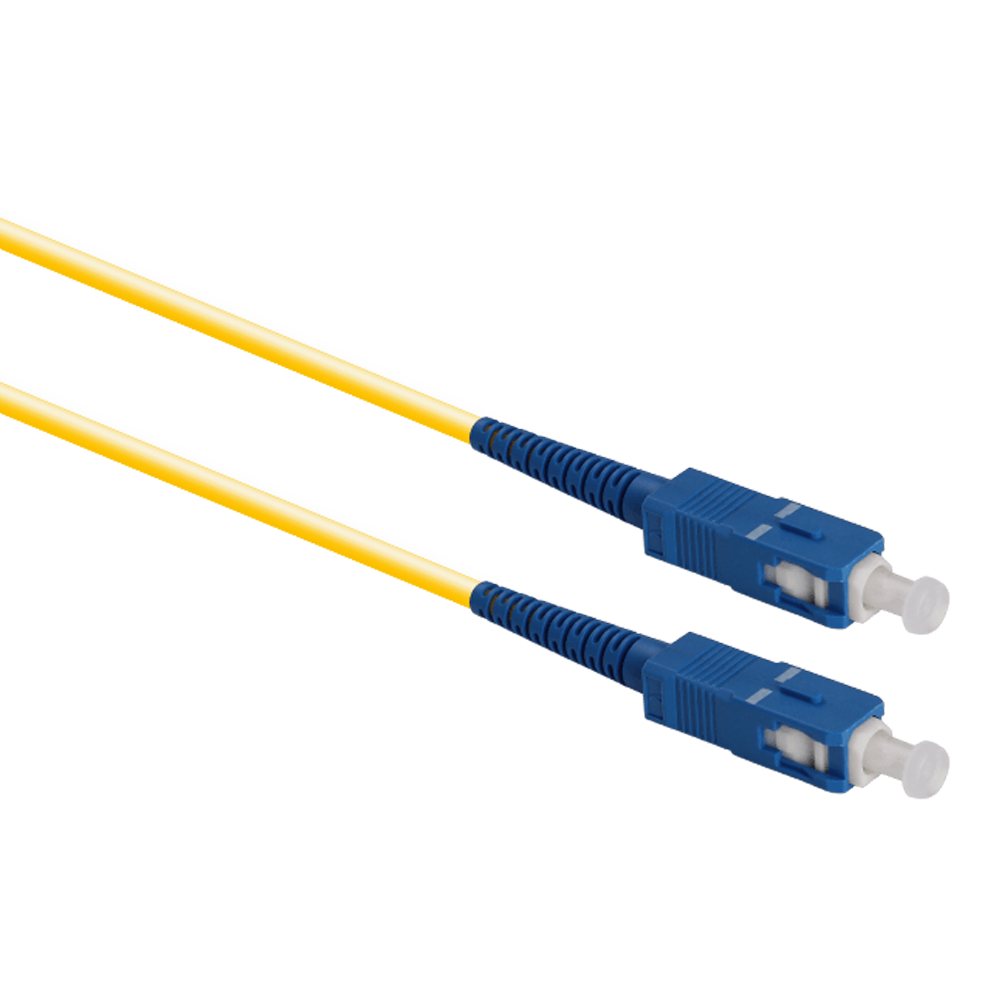 SC/UPC - SC/UPC
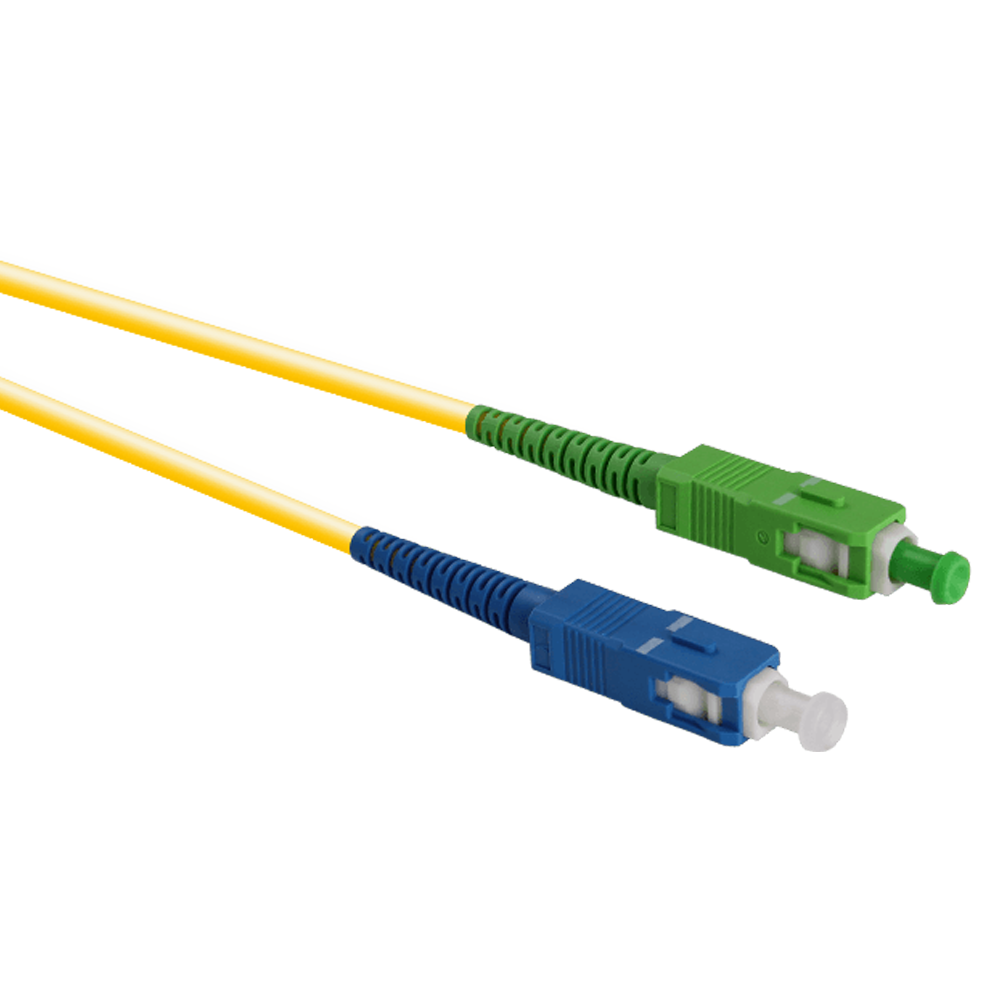 SC/APC - SC/UPC
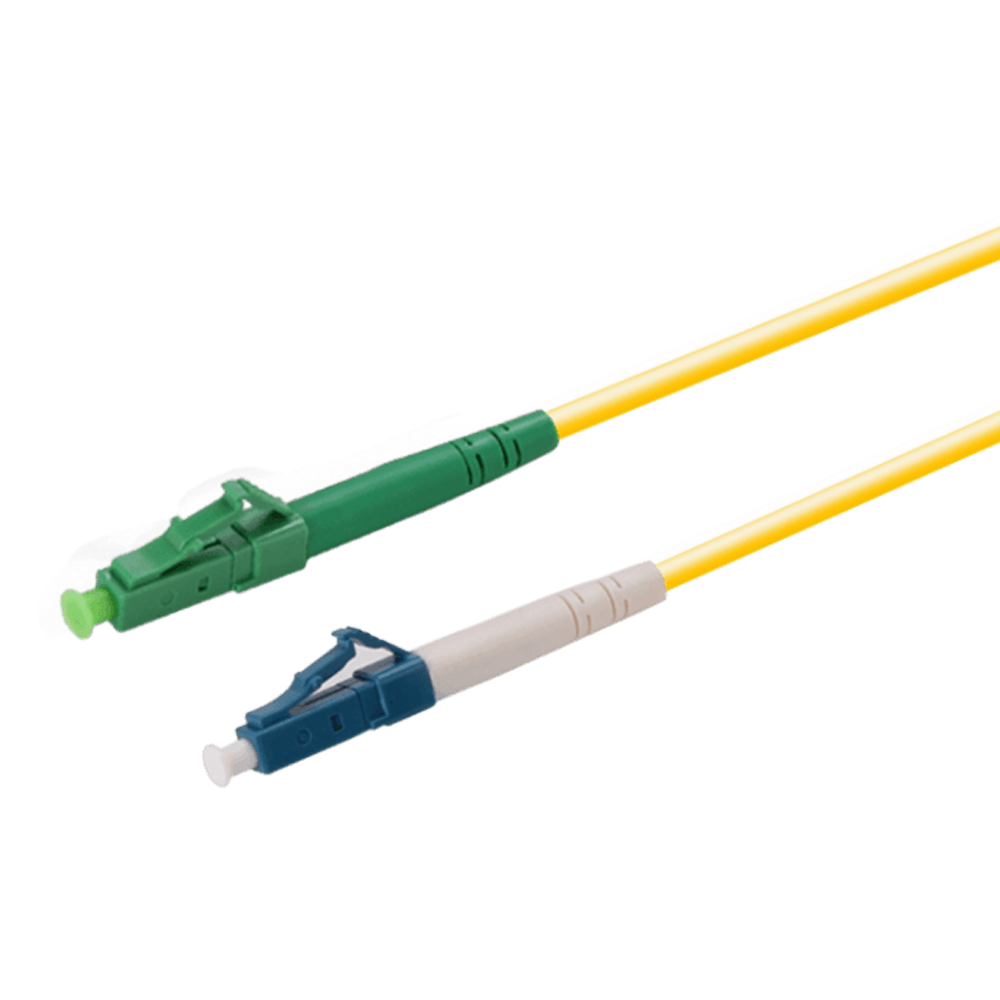 LC/APC - LC/APC
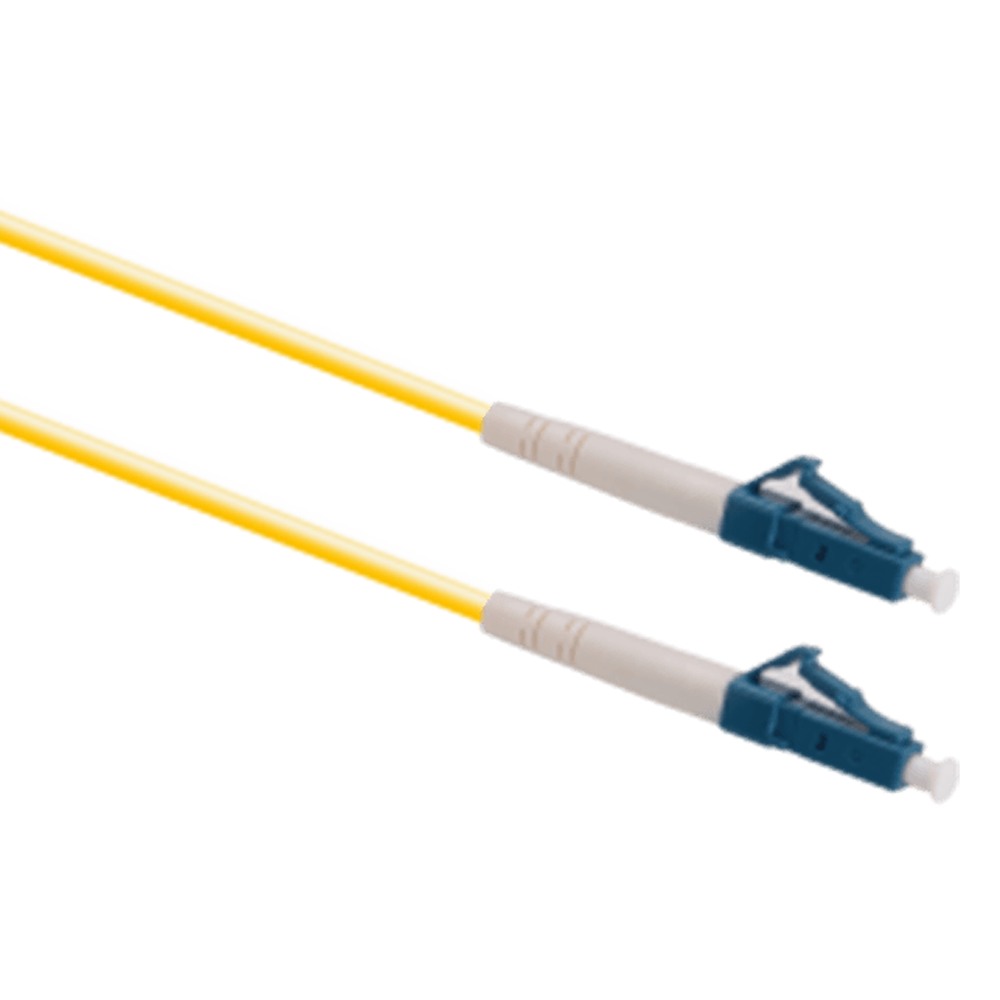 LC/UPC - LC/UPC
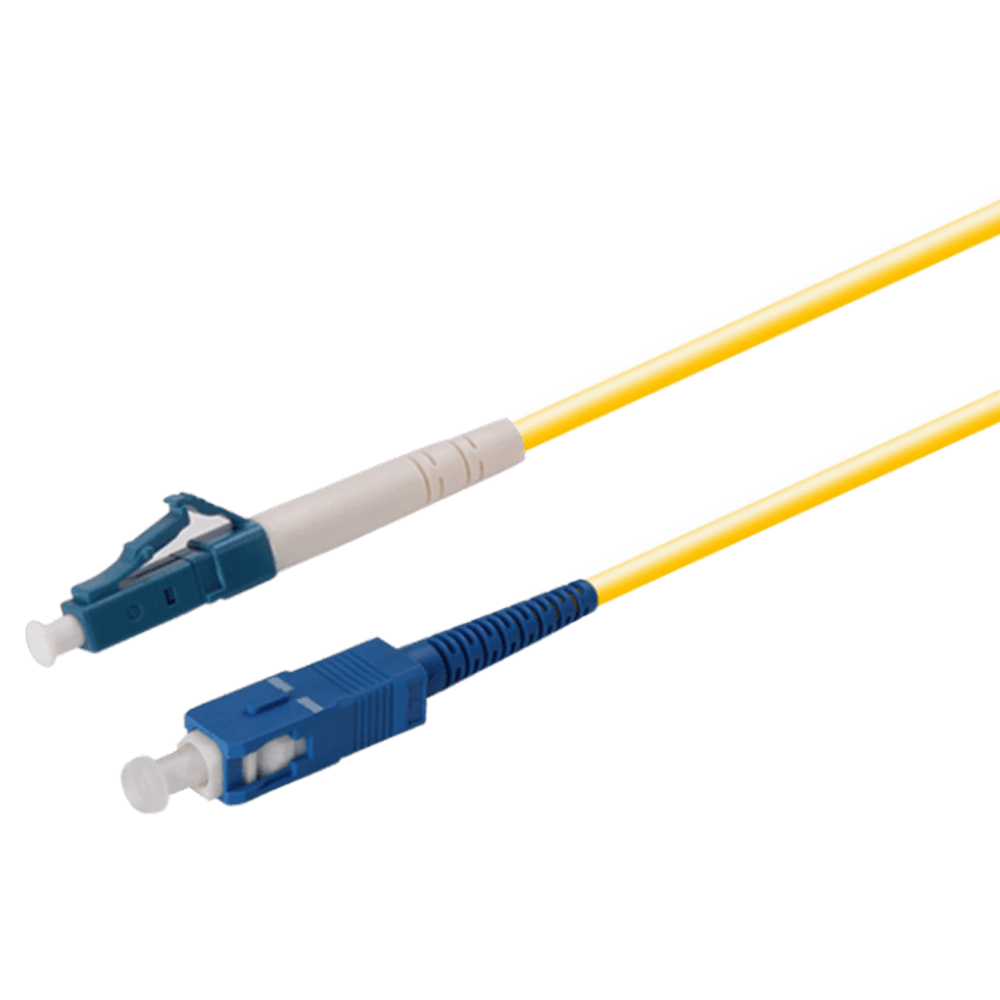 LC/UPC - SC/UPC
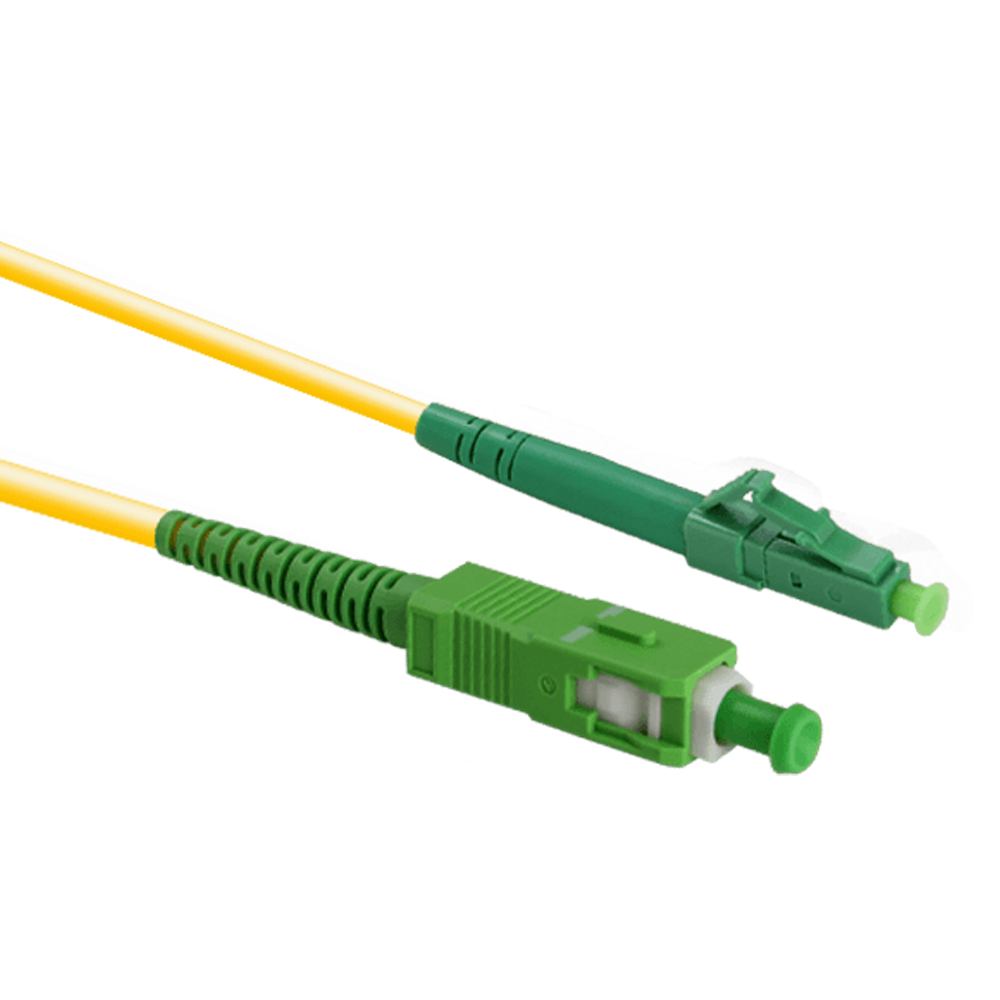 LC/APC - SC/APC
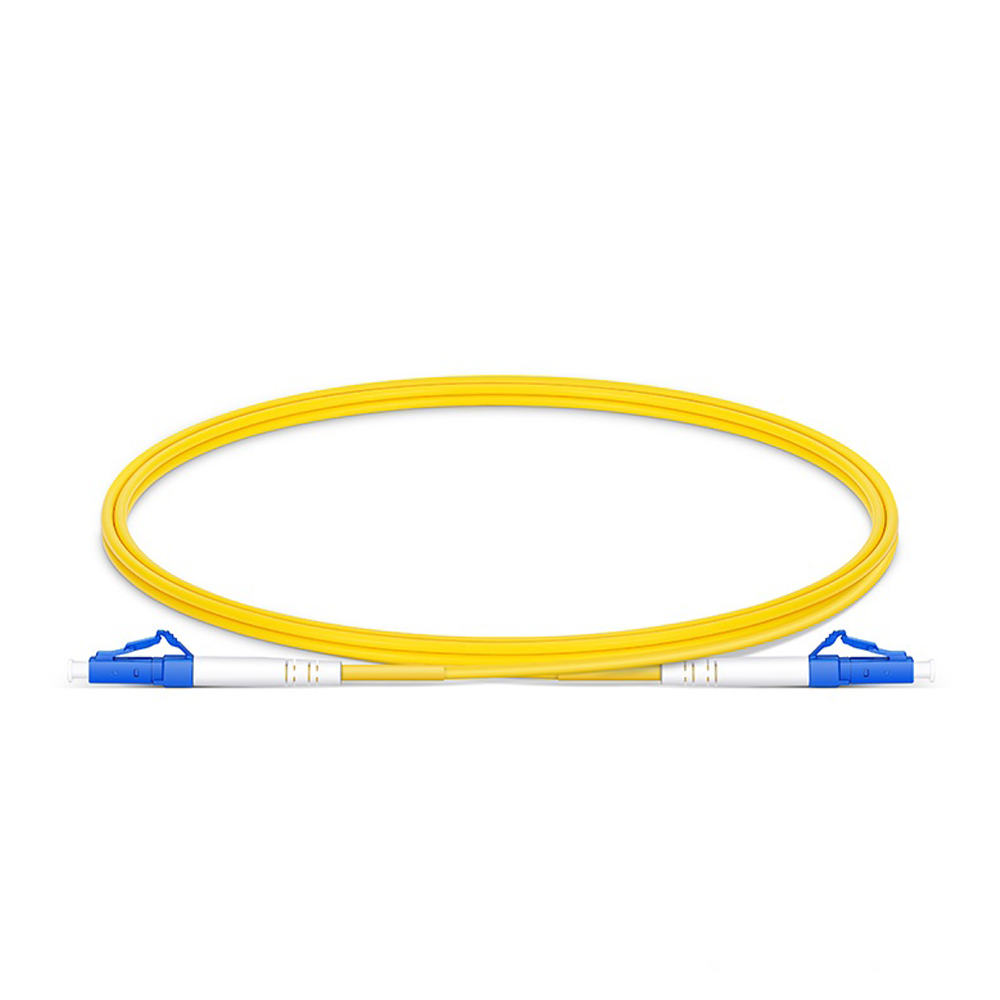 Simplex Single Mode
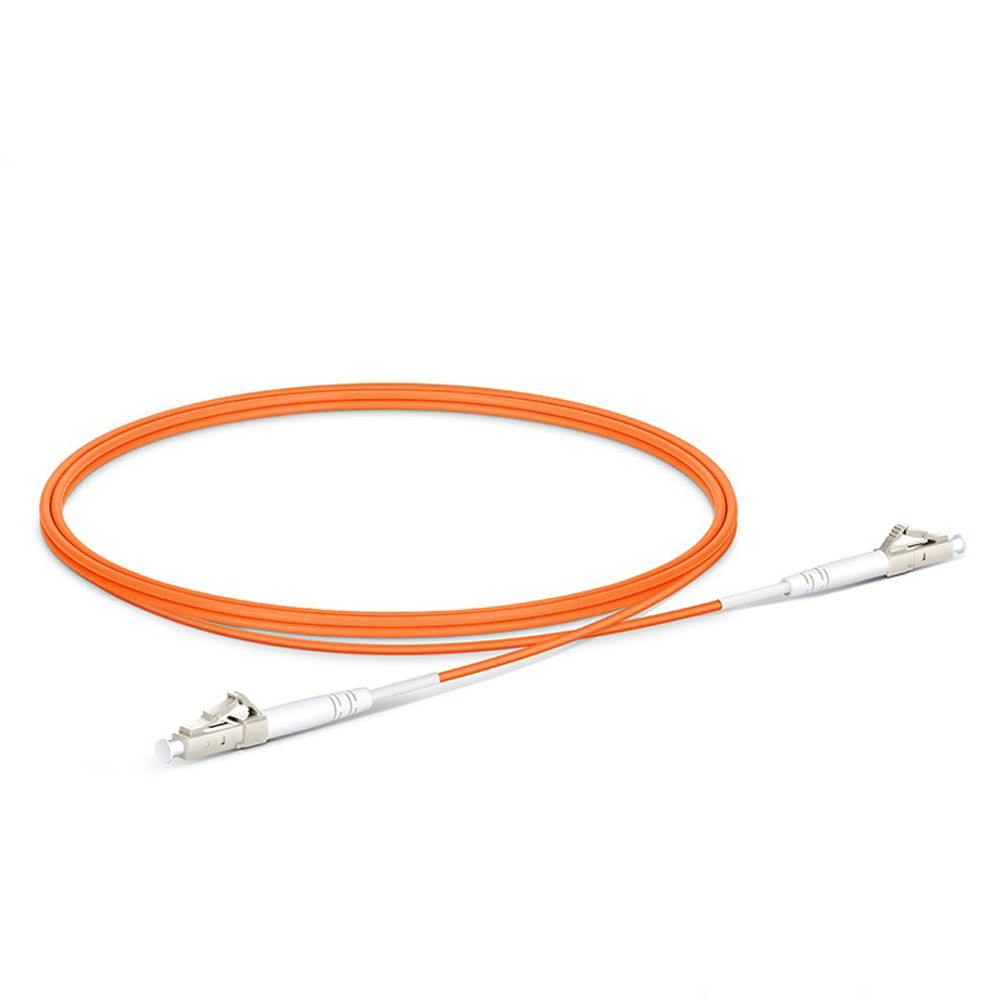 Simplex Multi-Mode
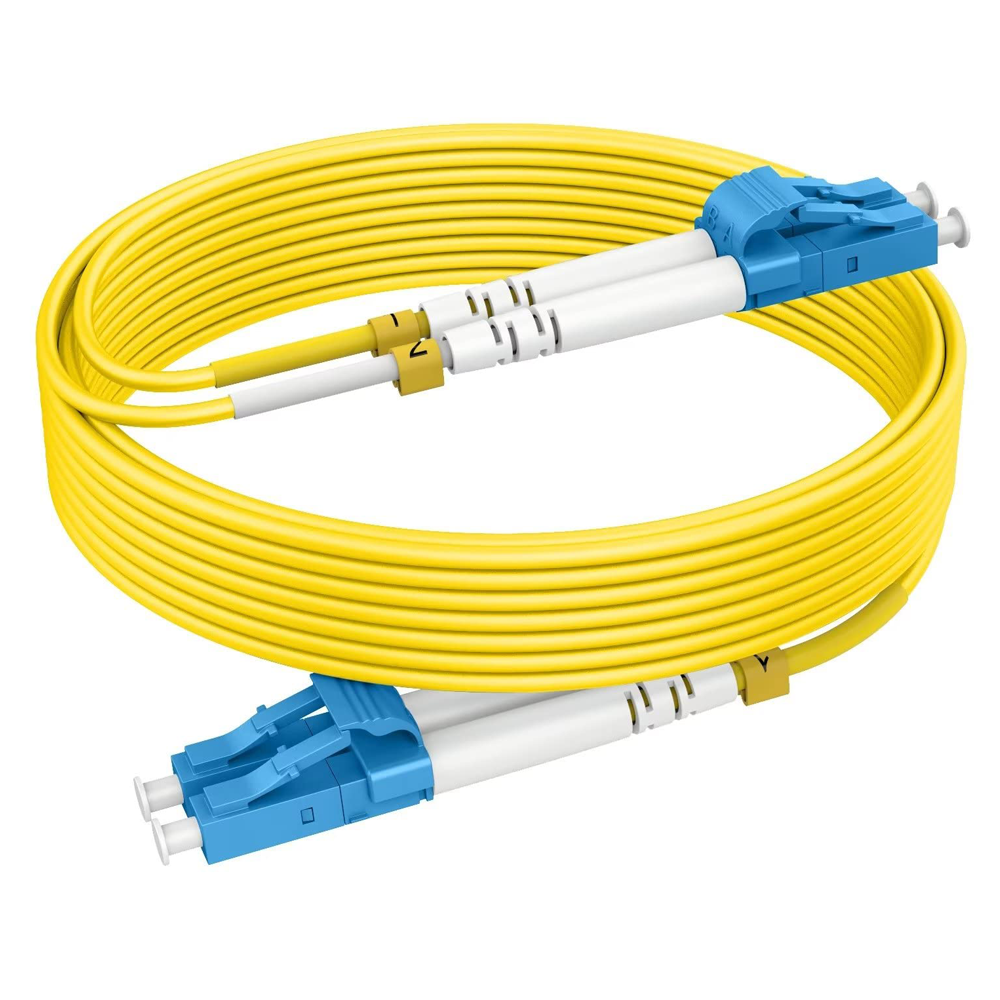 Duplex Single Mode
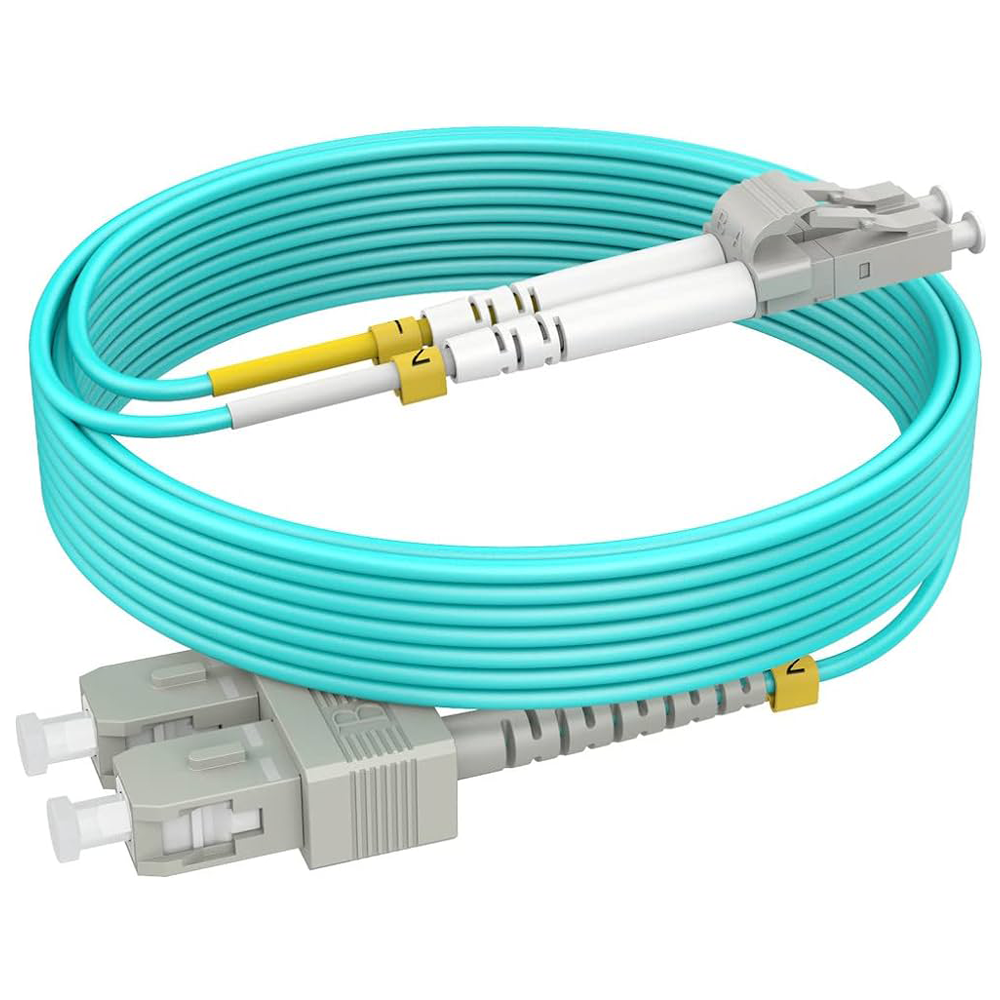 Duplex Multi-Mode
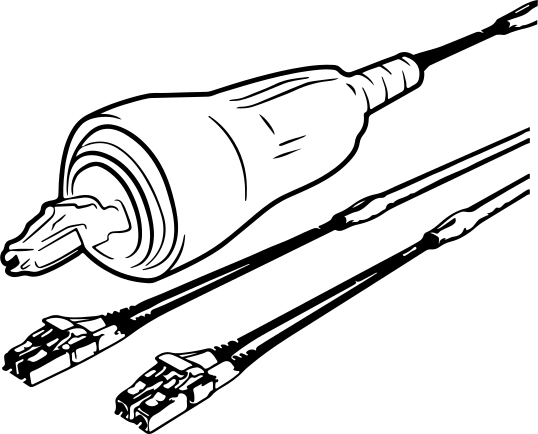 CPRI
CPRI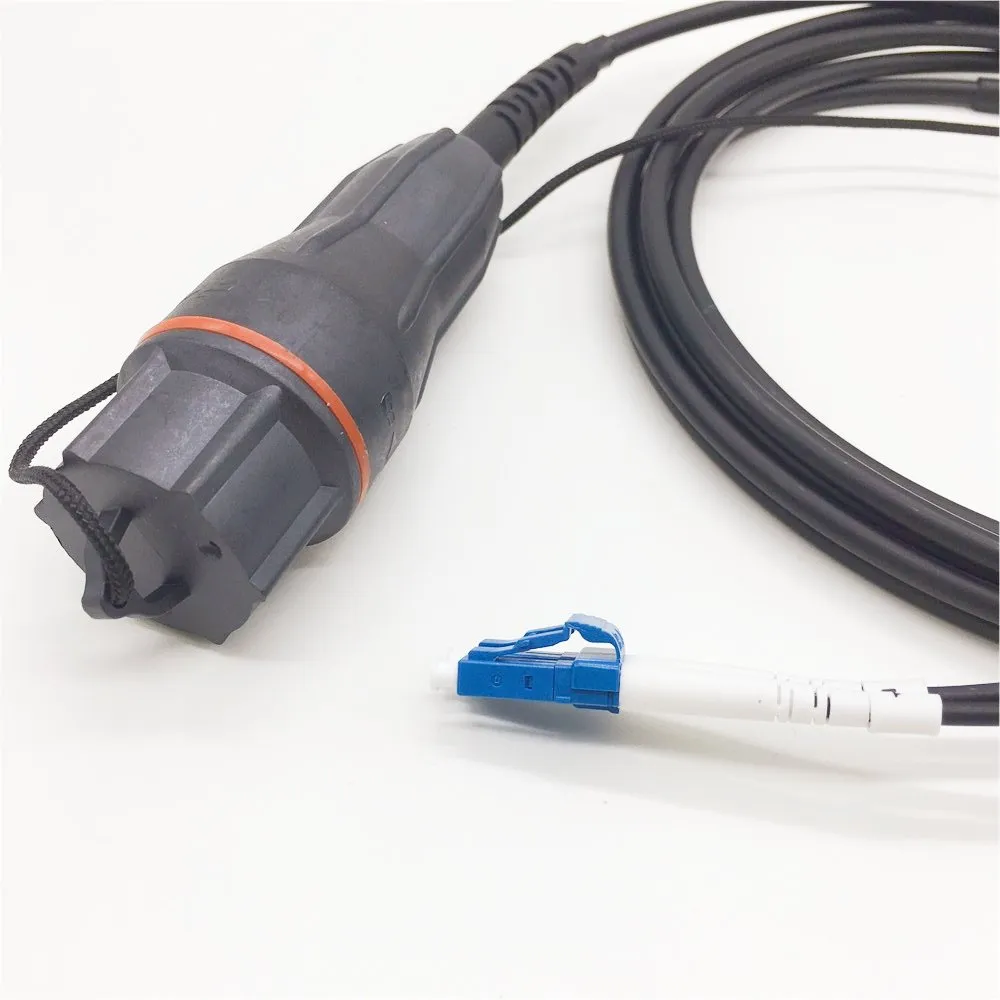 Fullaxs DLC Ericsson
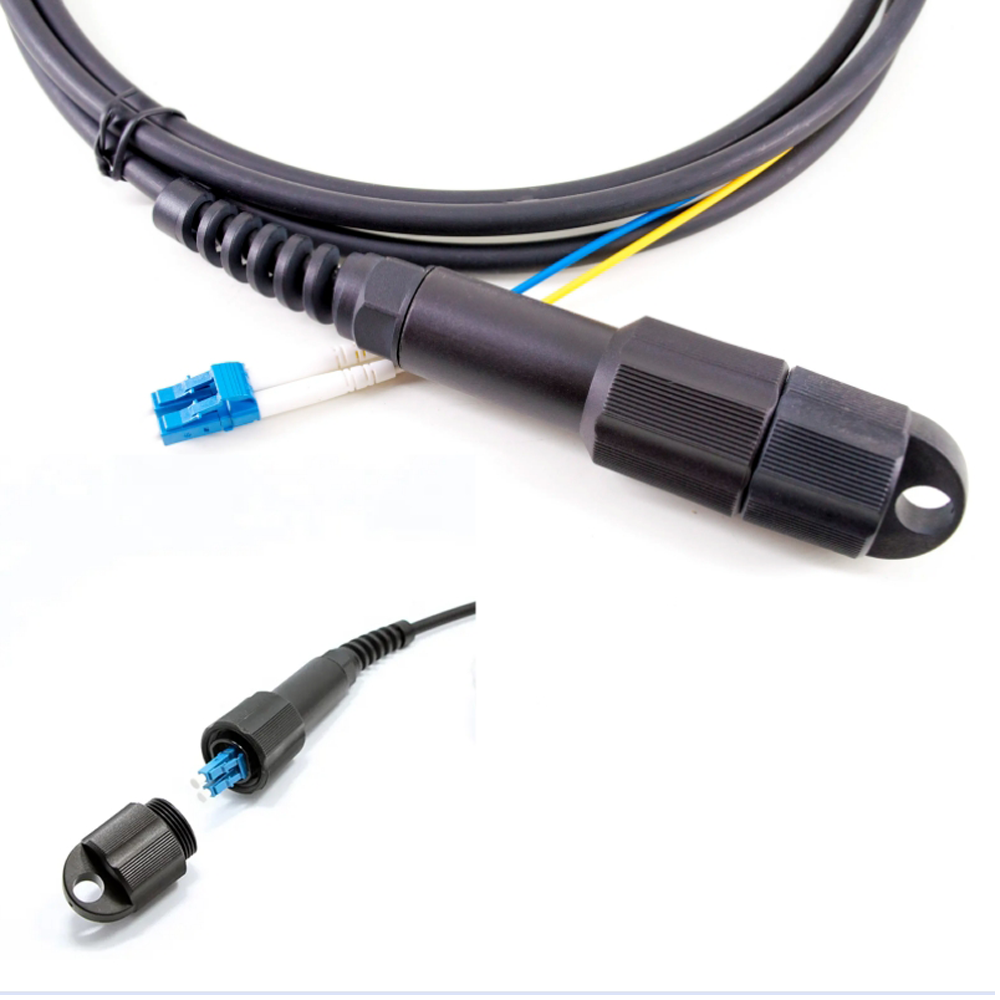 PDLC DLC
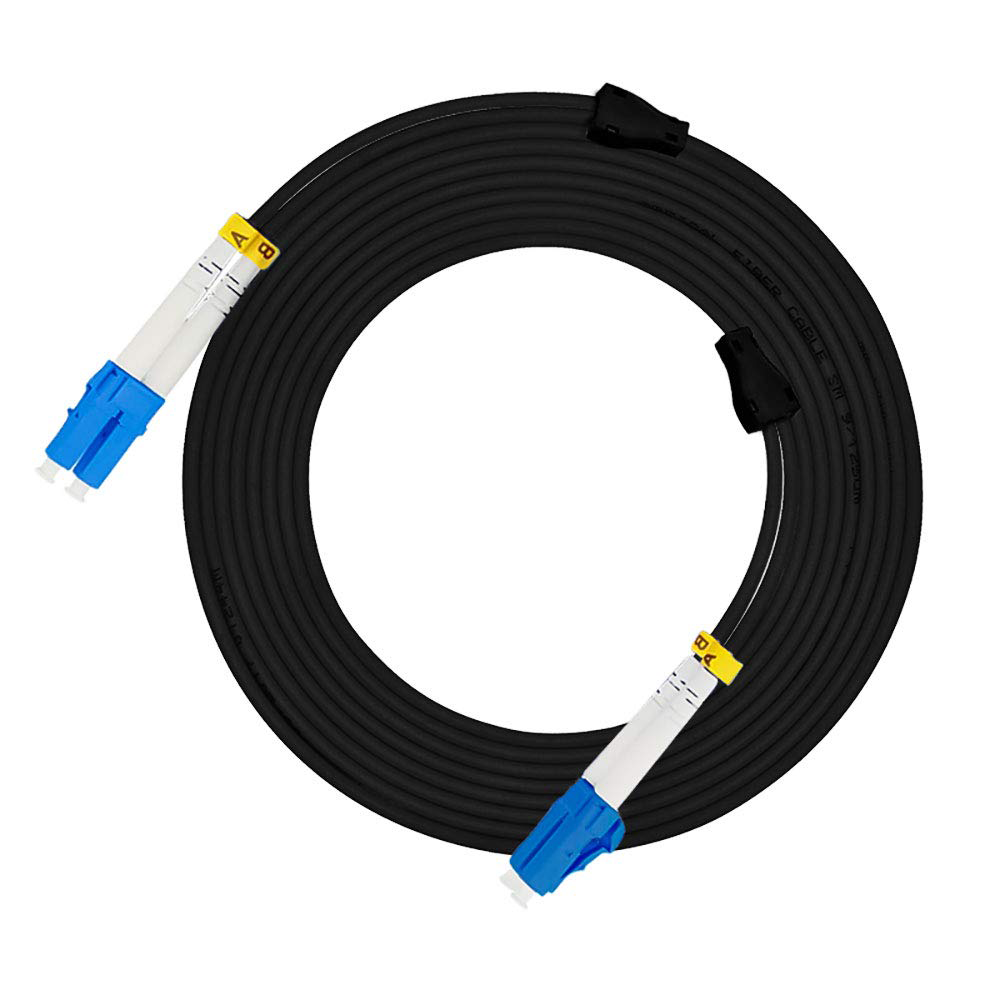 Spiral Fanout
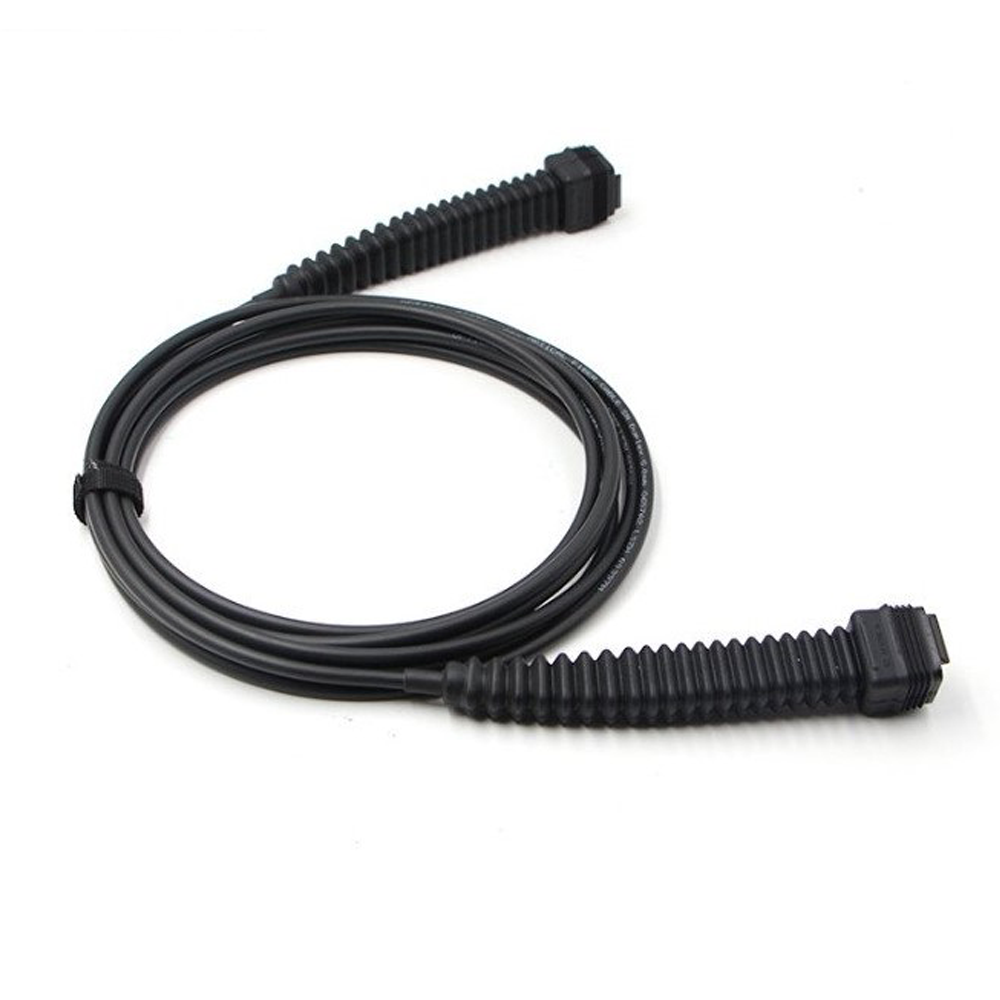 NSN Boot NOKIA
 MPO
MPO MPO Cables
 Copper
 UTP 24 AWG PE Outdoor Cable (0.50mm)
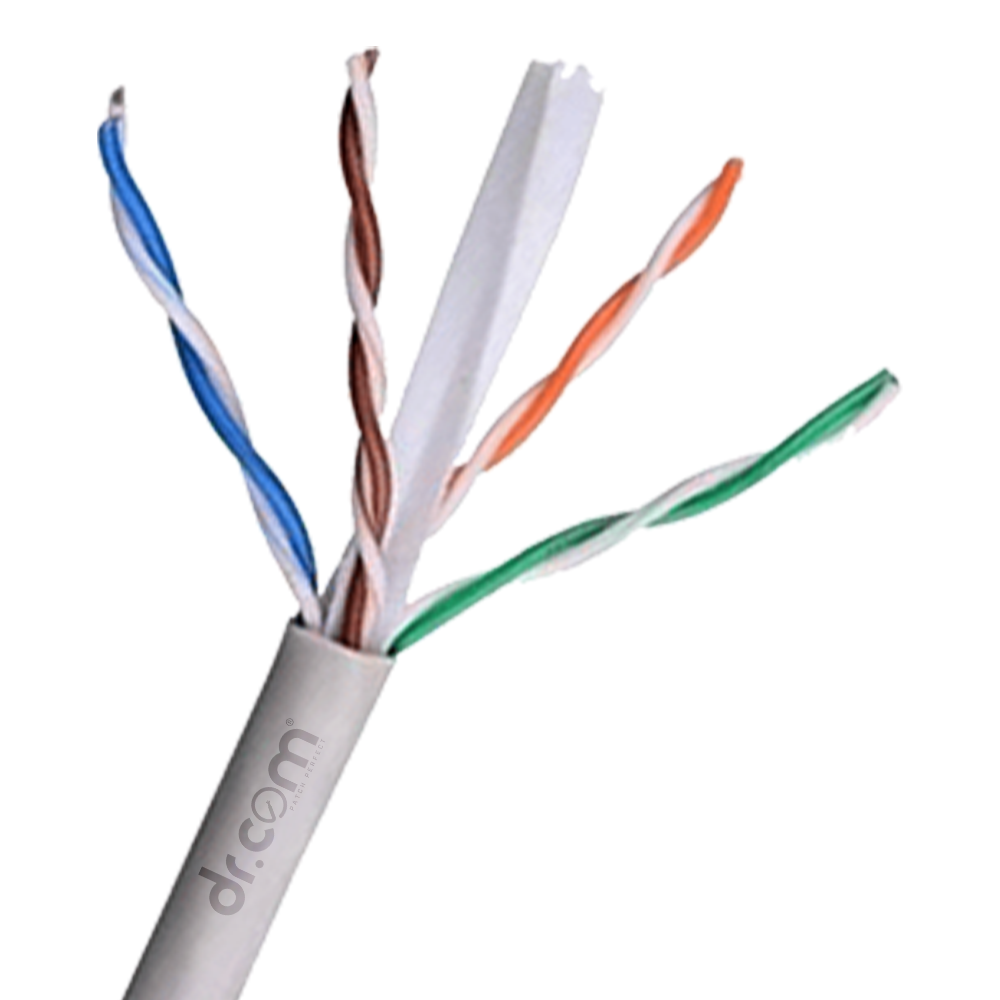 Copper (0.55mm) - UTP
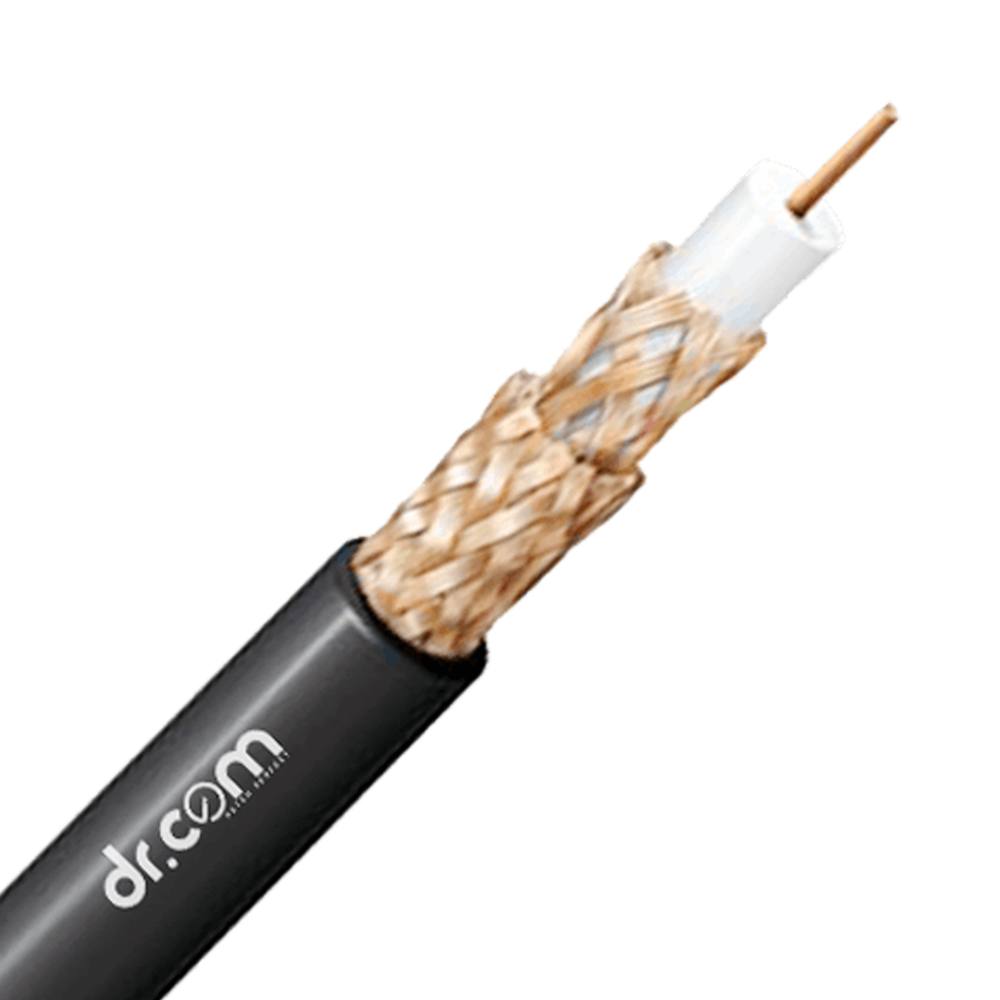 RG-6
RG-6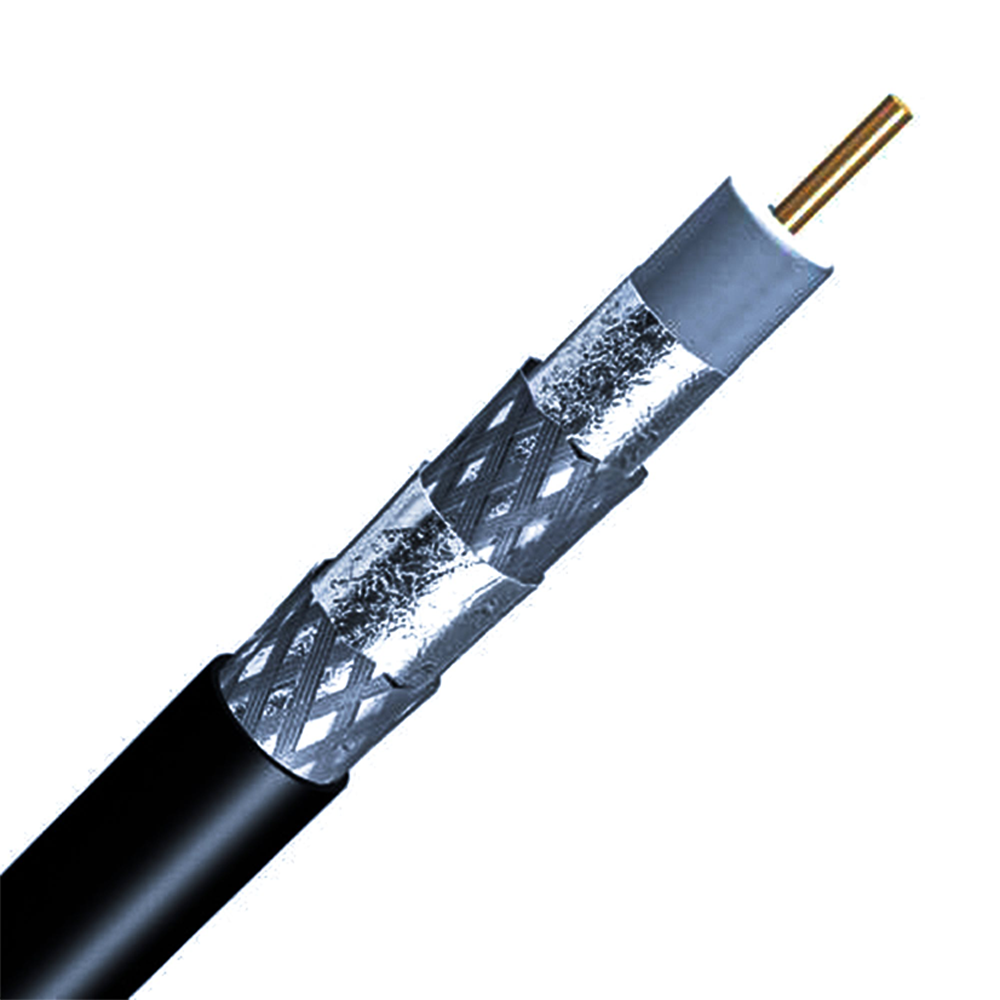 RG-11
RG-11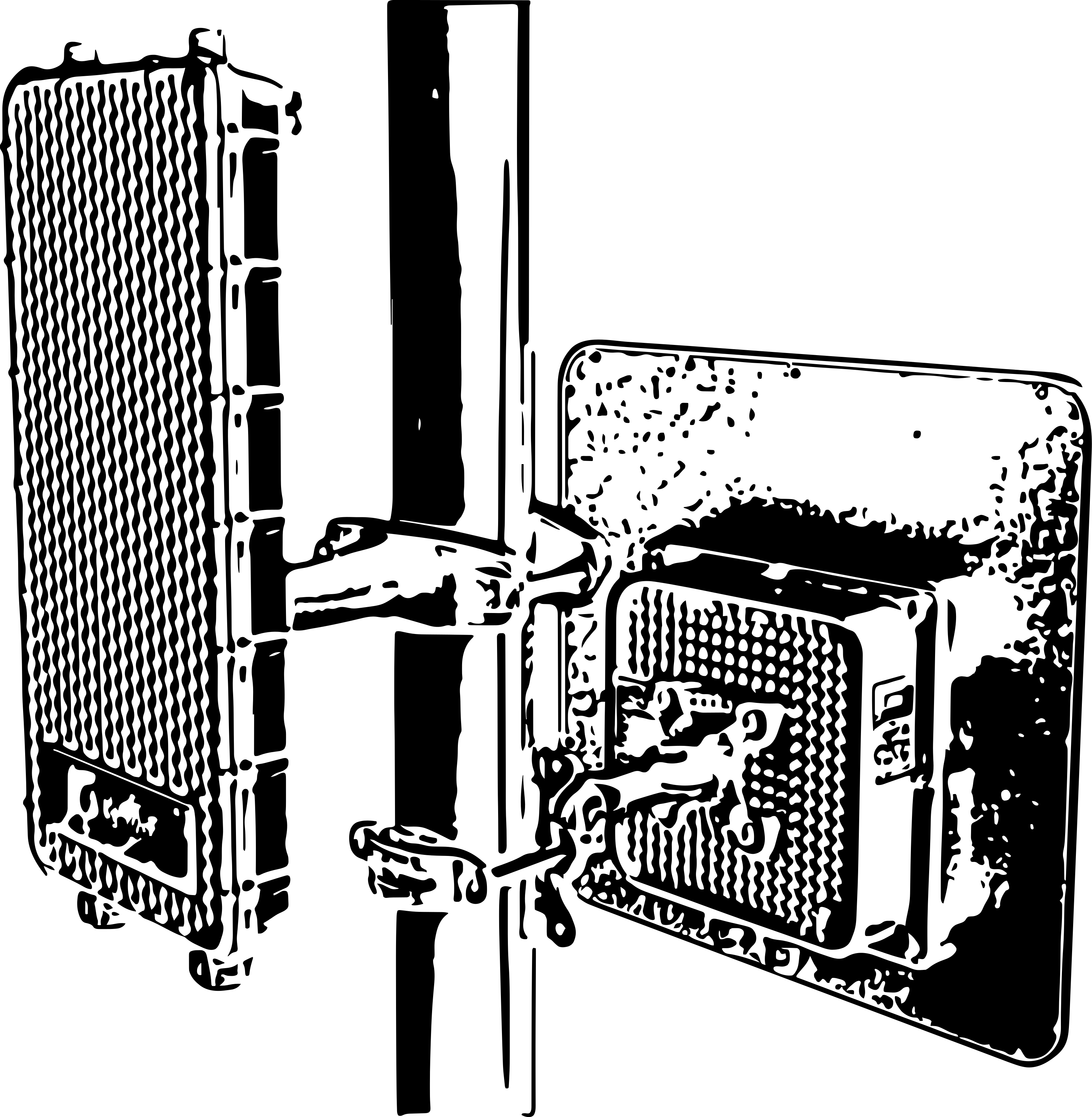 Active
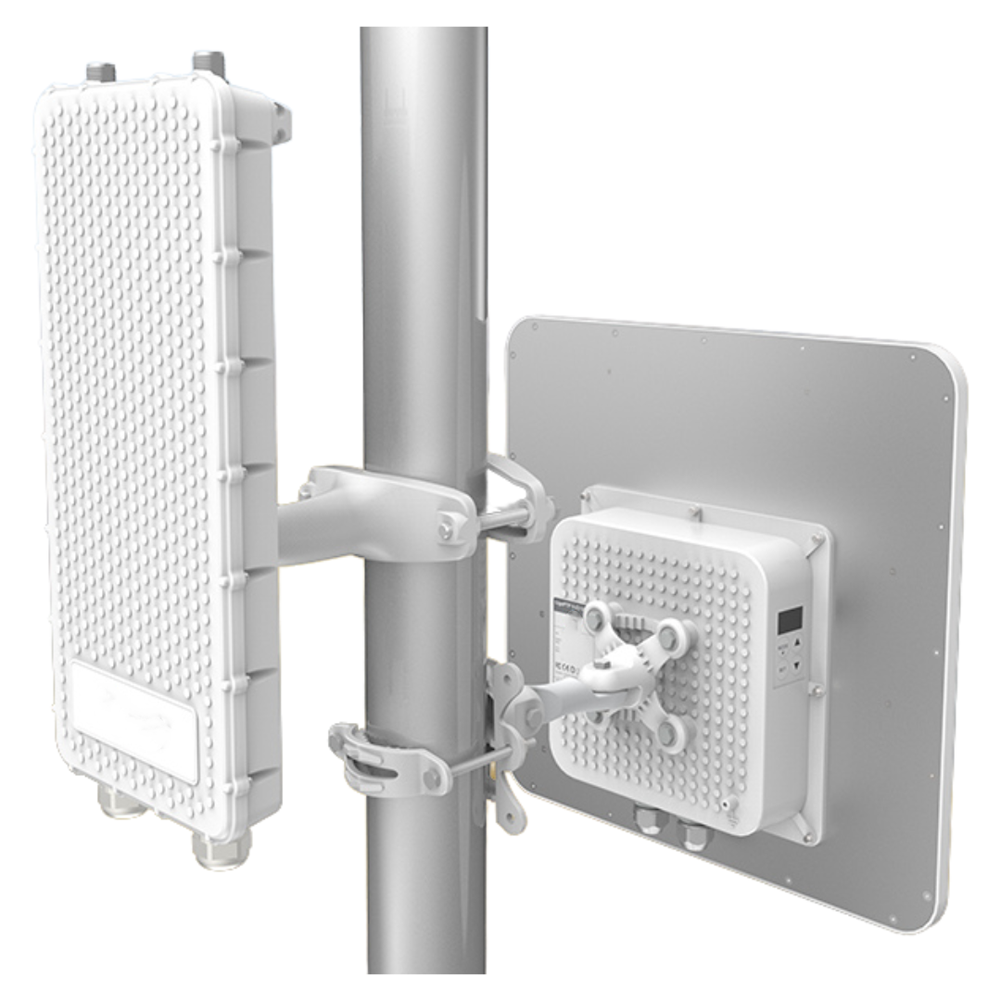 Access Point
 POE Switches
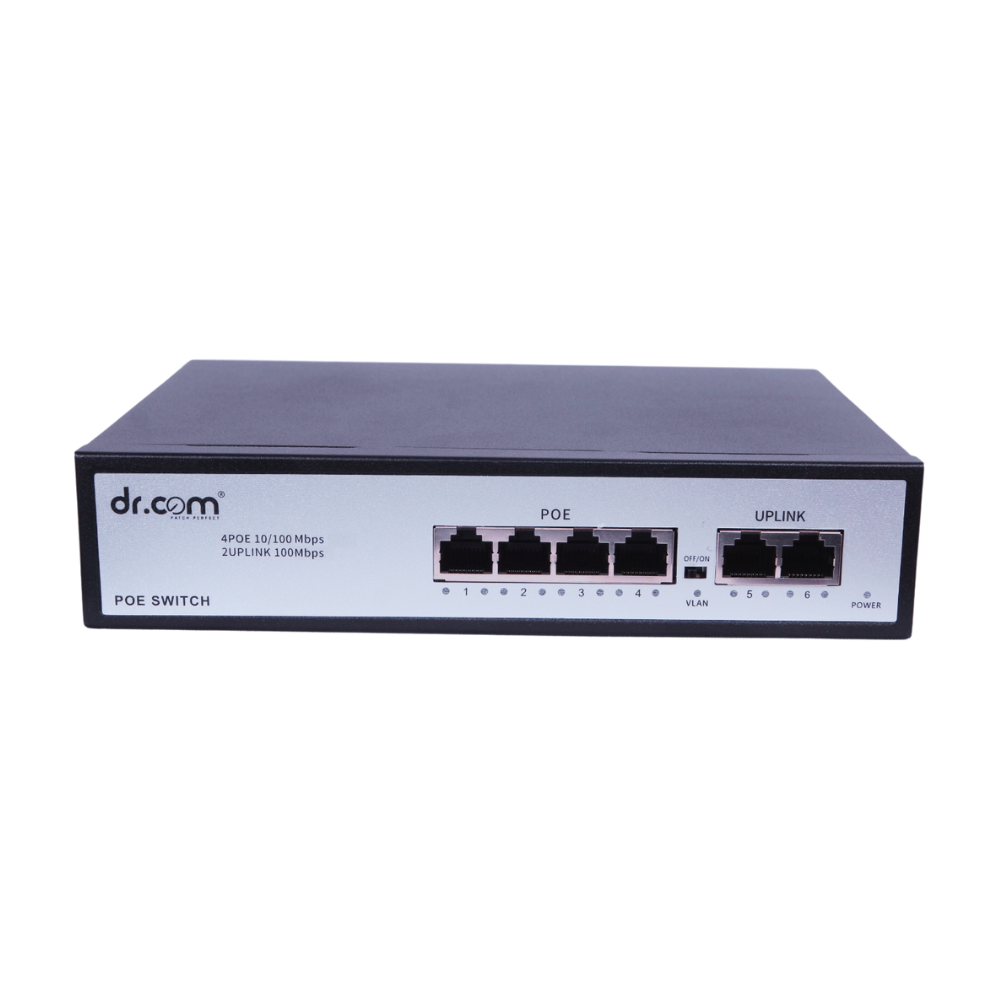 4-Port 65W
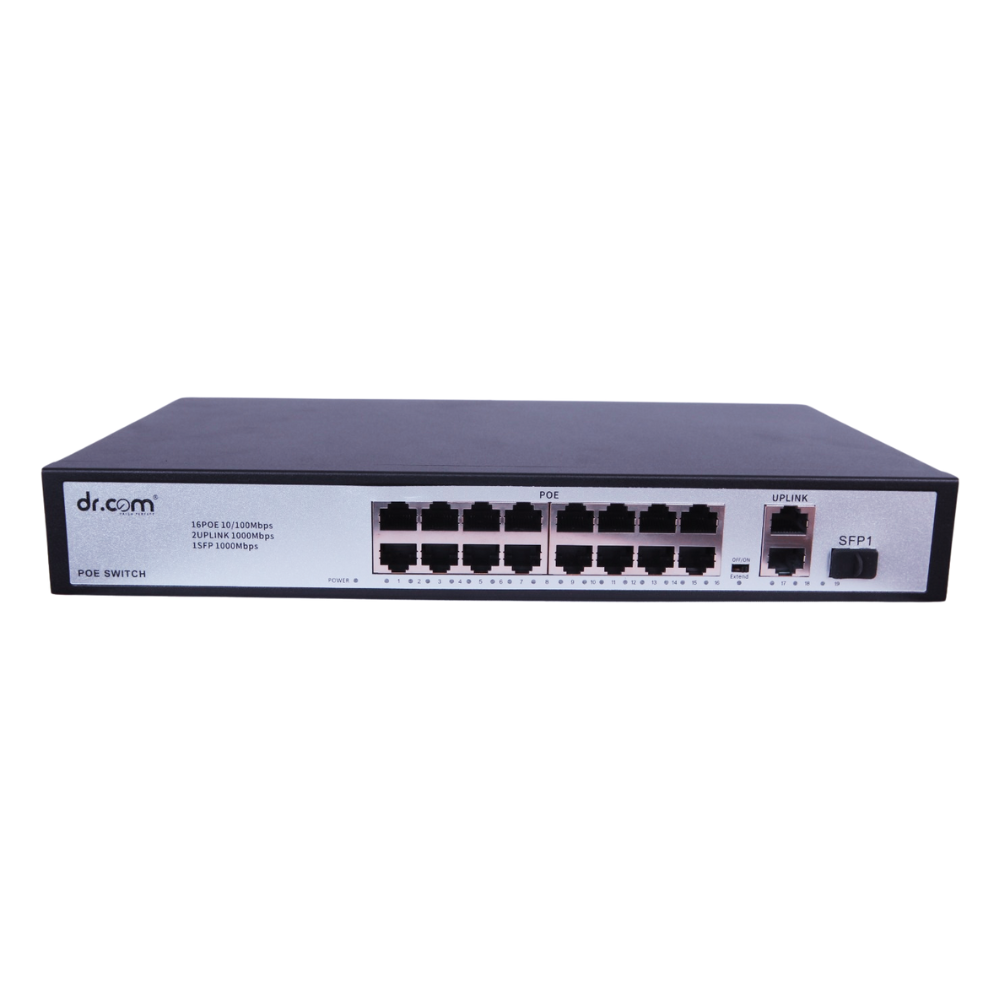 8-Port 120W
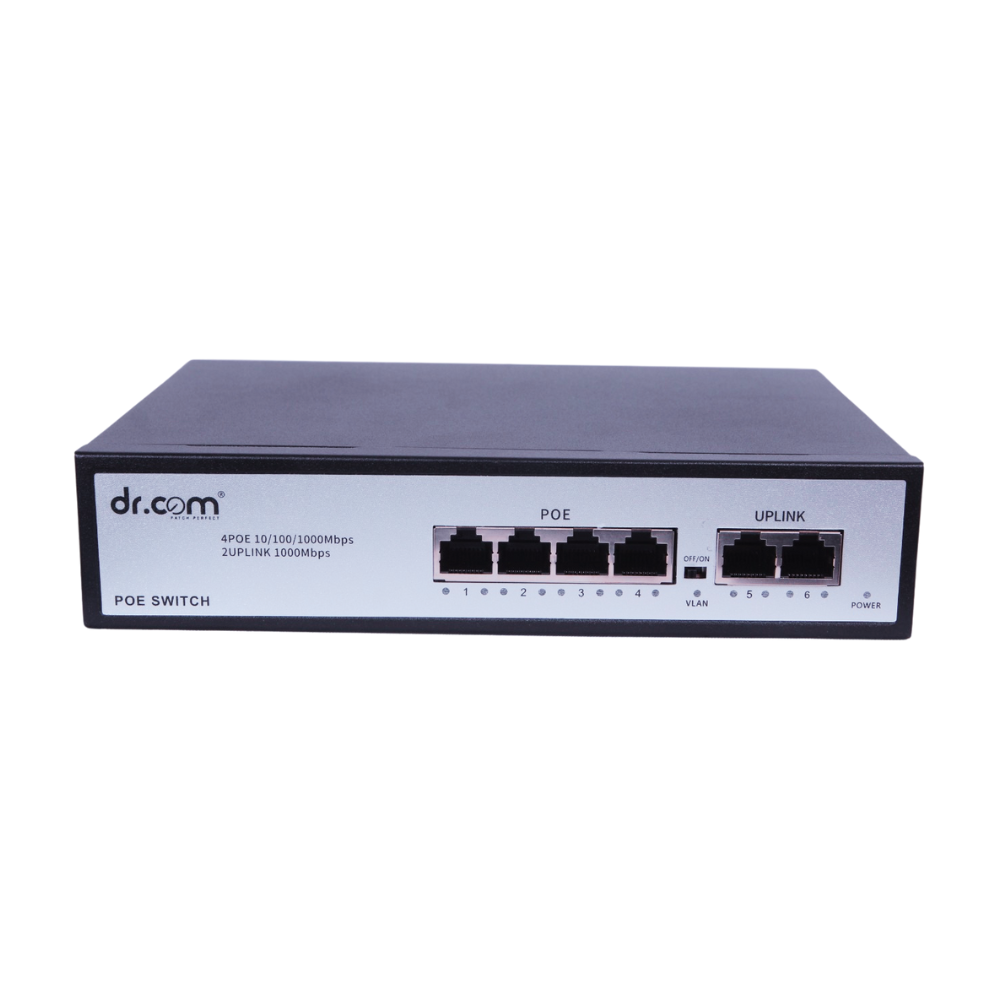 16-Port 250W
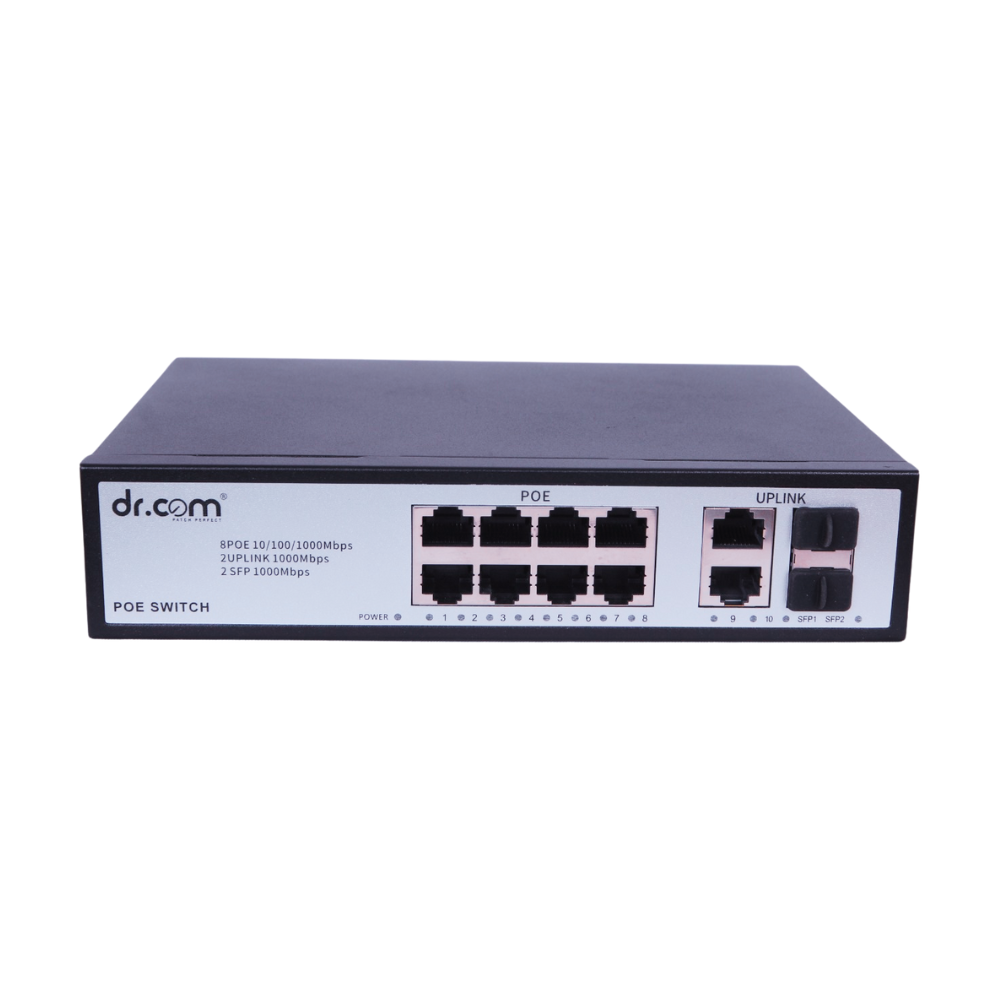 24-Port 320W
 UPS
UPS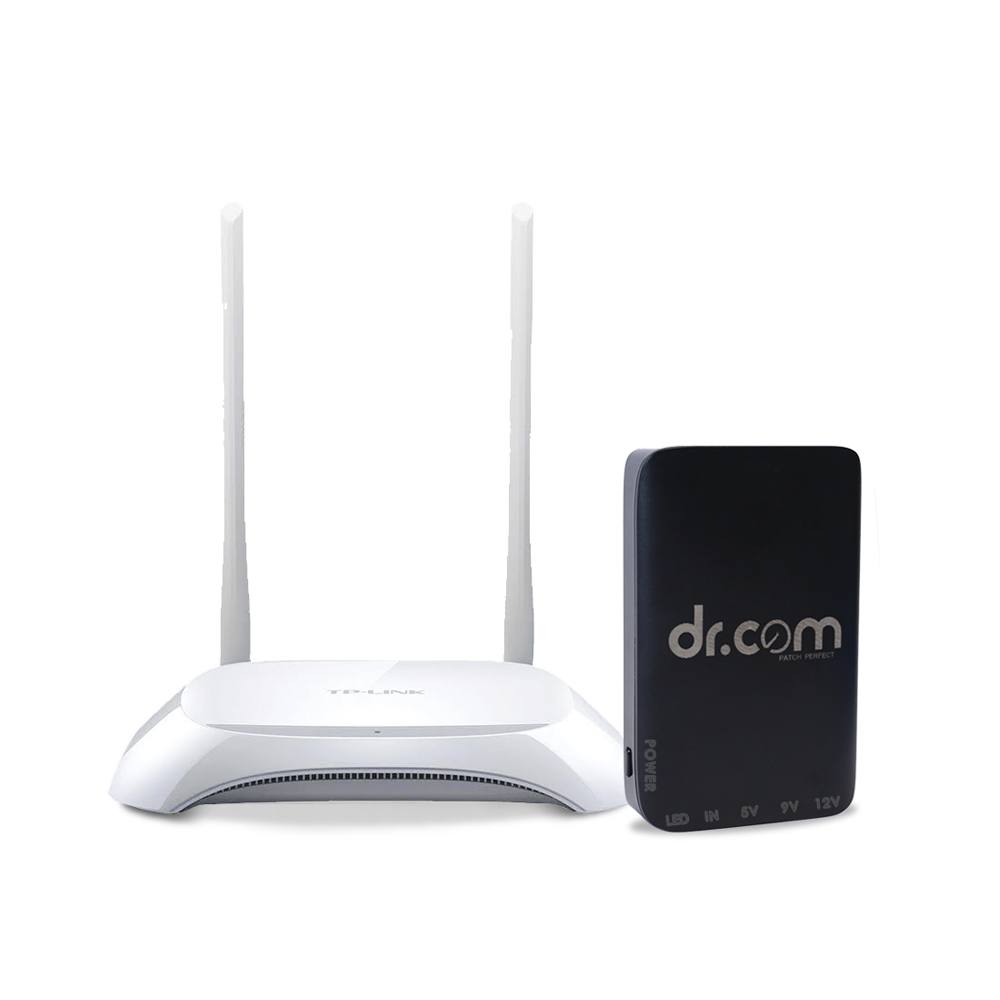 Multiple Output UPS DRU-8000
 Gpon-ONT
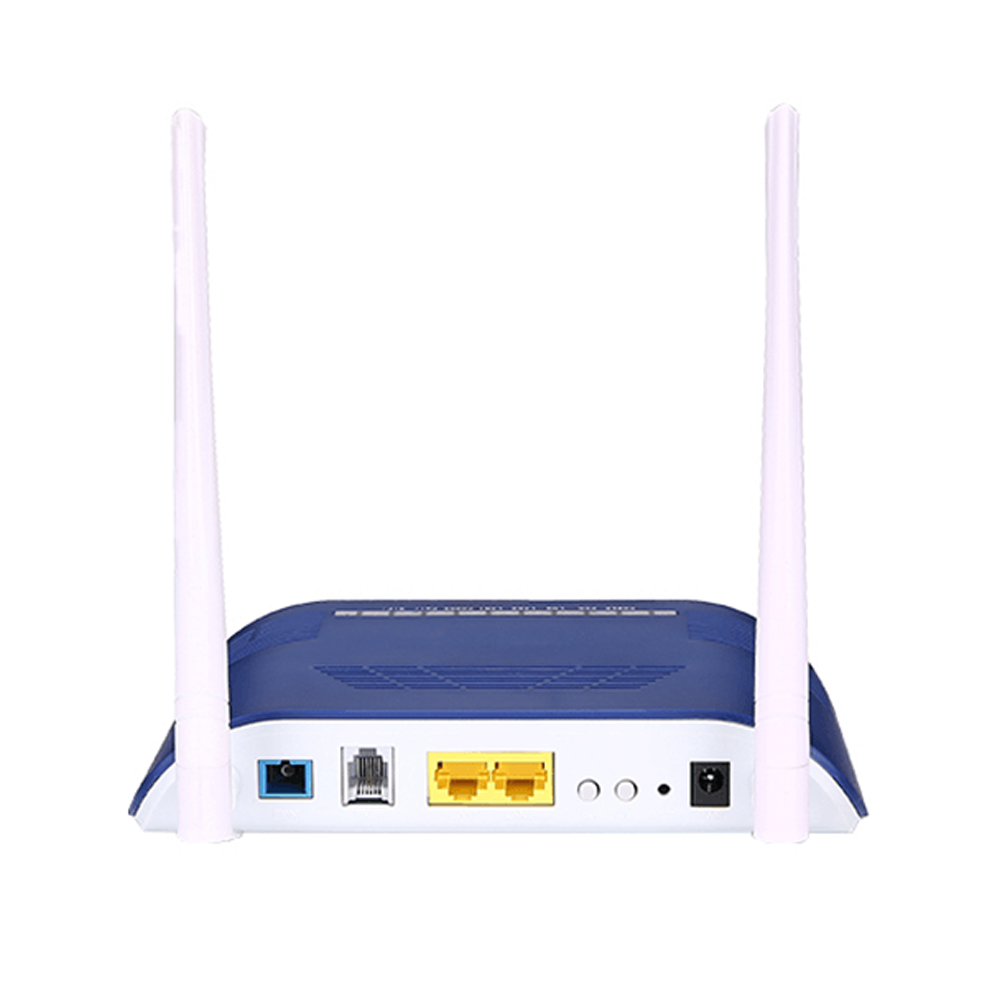 DRC 1GE+1FE+1POTS+WiFi
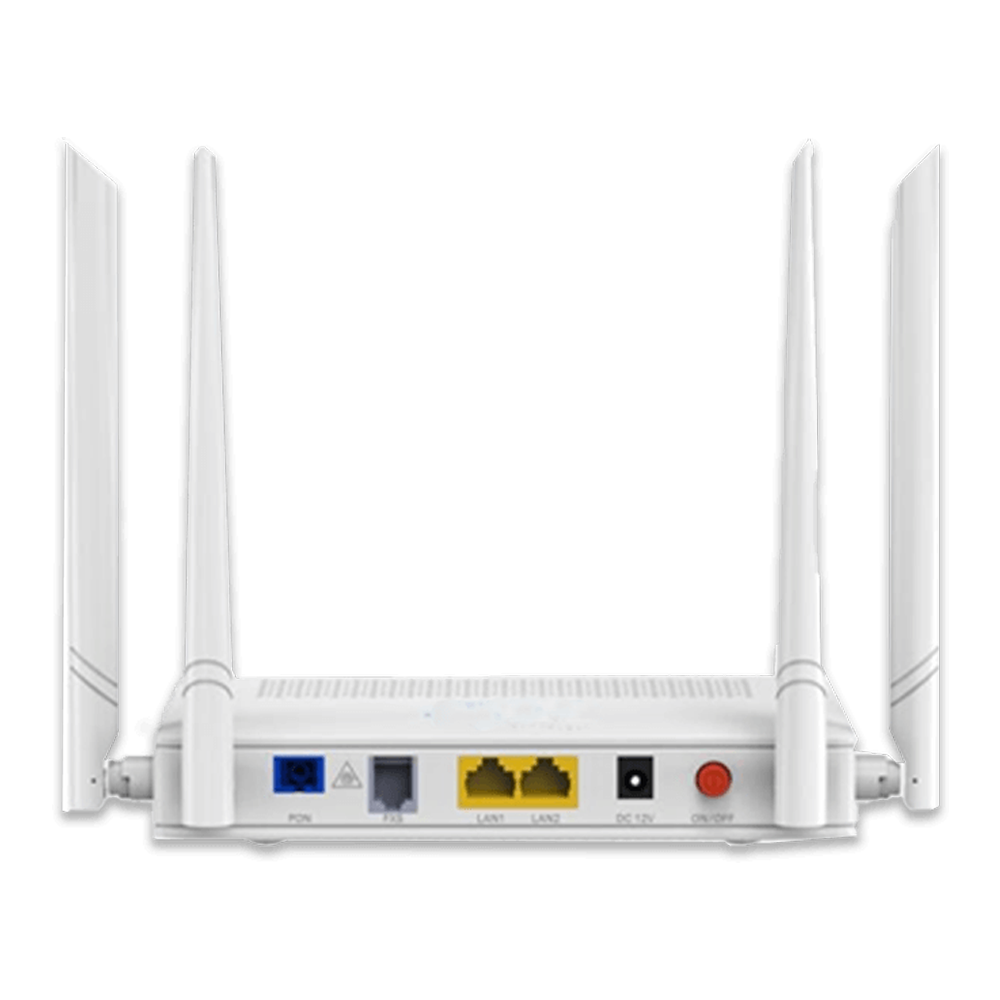 2GE+1POTS+AC WiFi
 Housing Solution
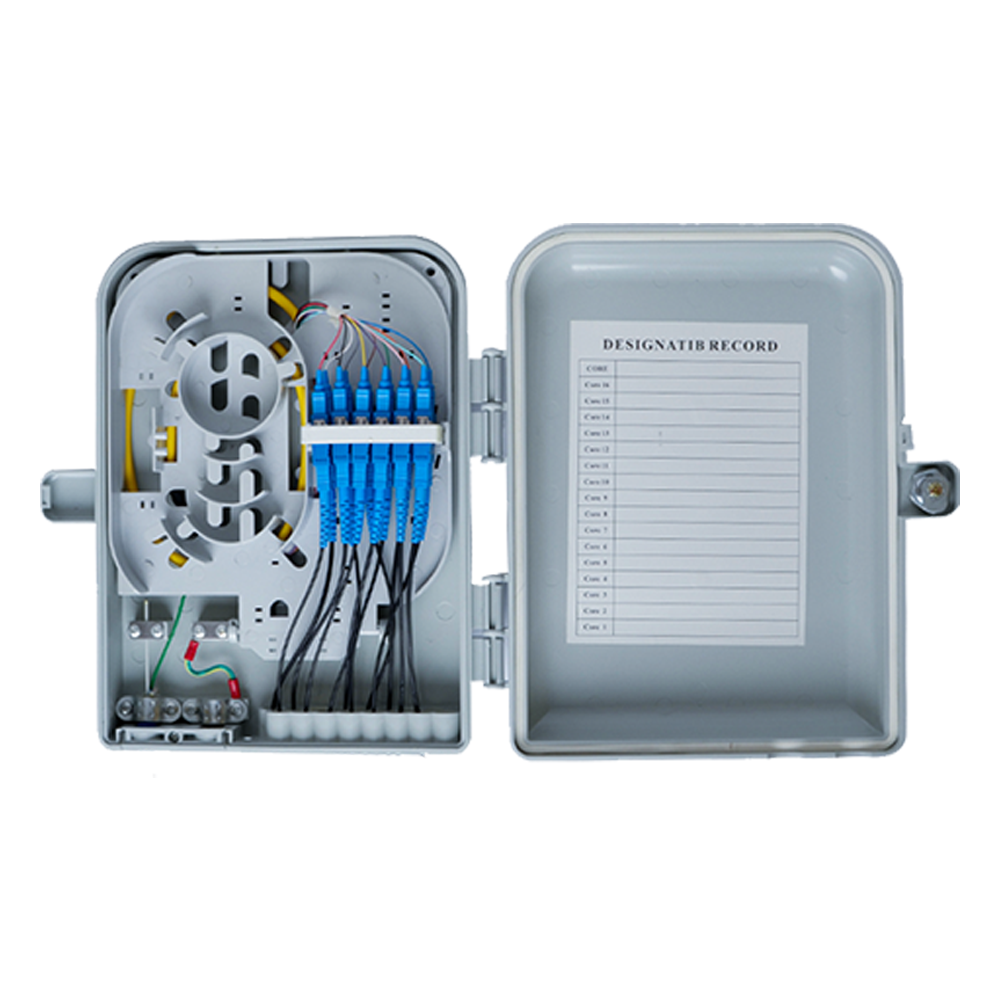 Fibre Distribution Box
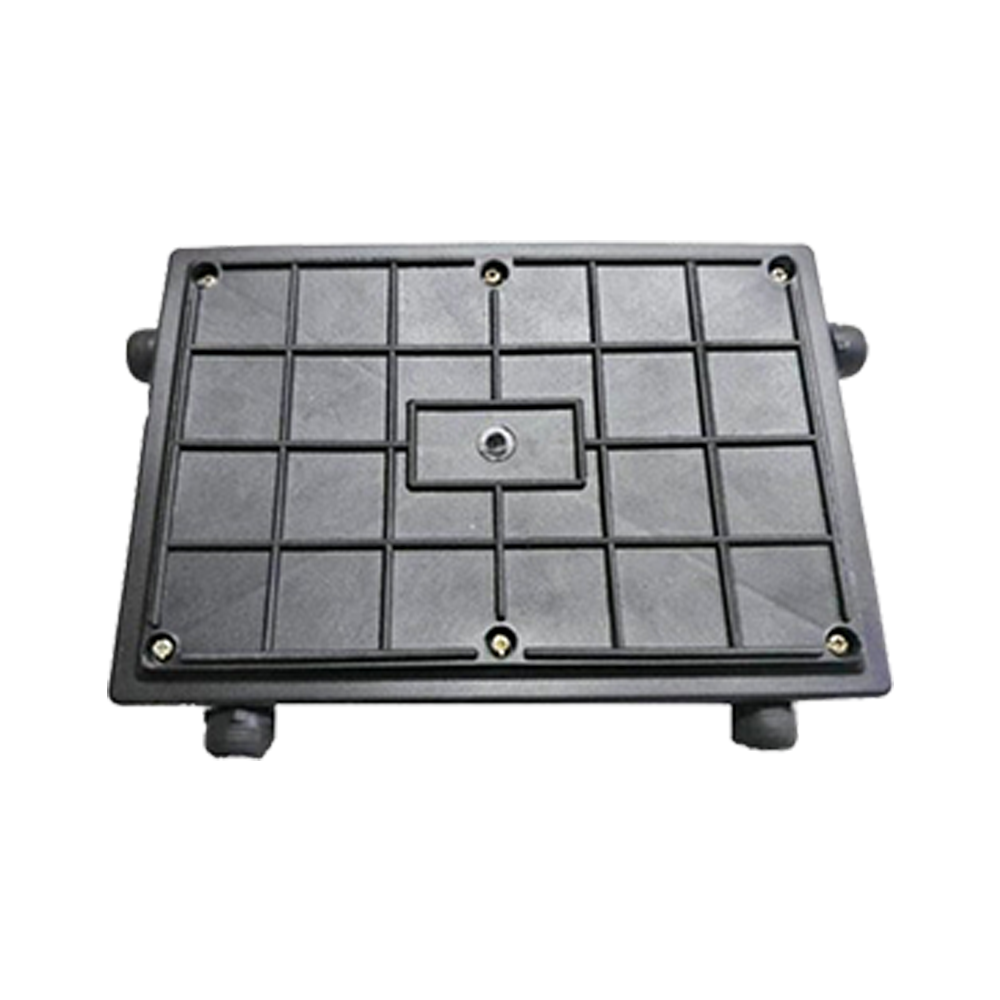 Joint Enclosure - Tiffin Box
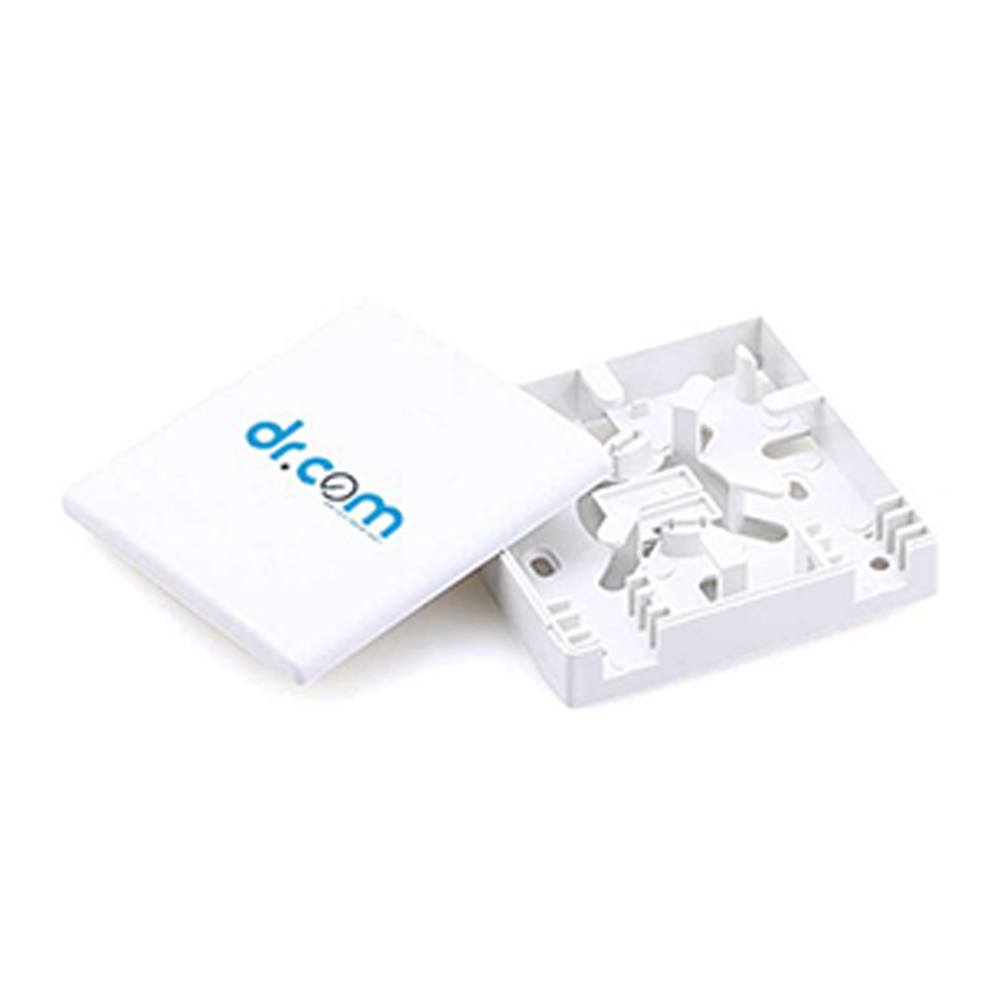 FTTH Termination Box
 Wall Mount FMS
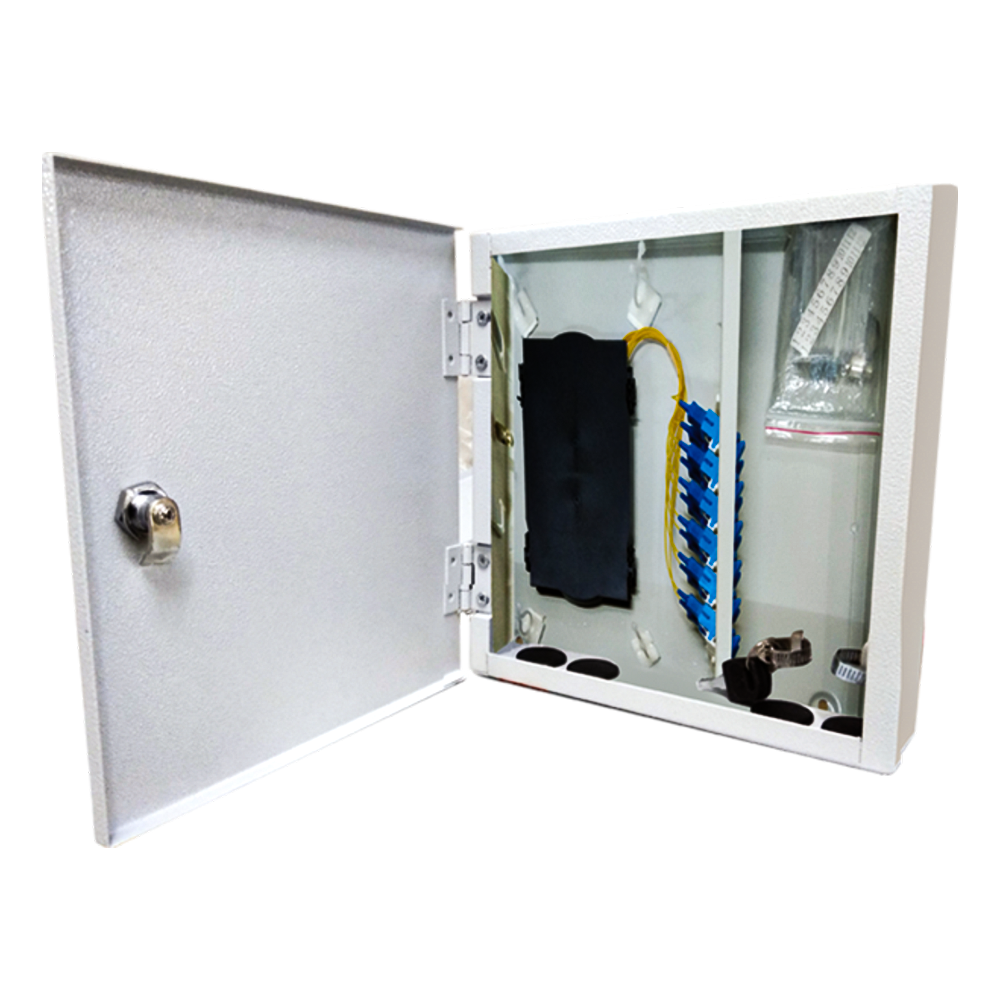 24F - Wall Mount FMS
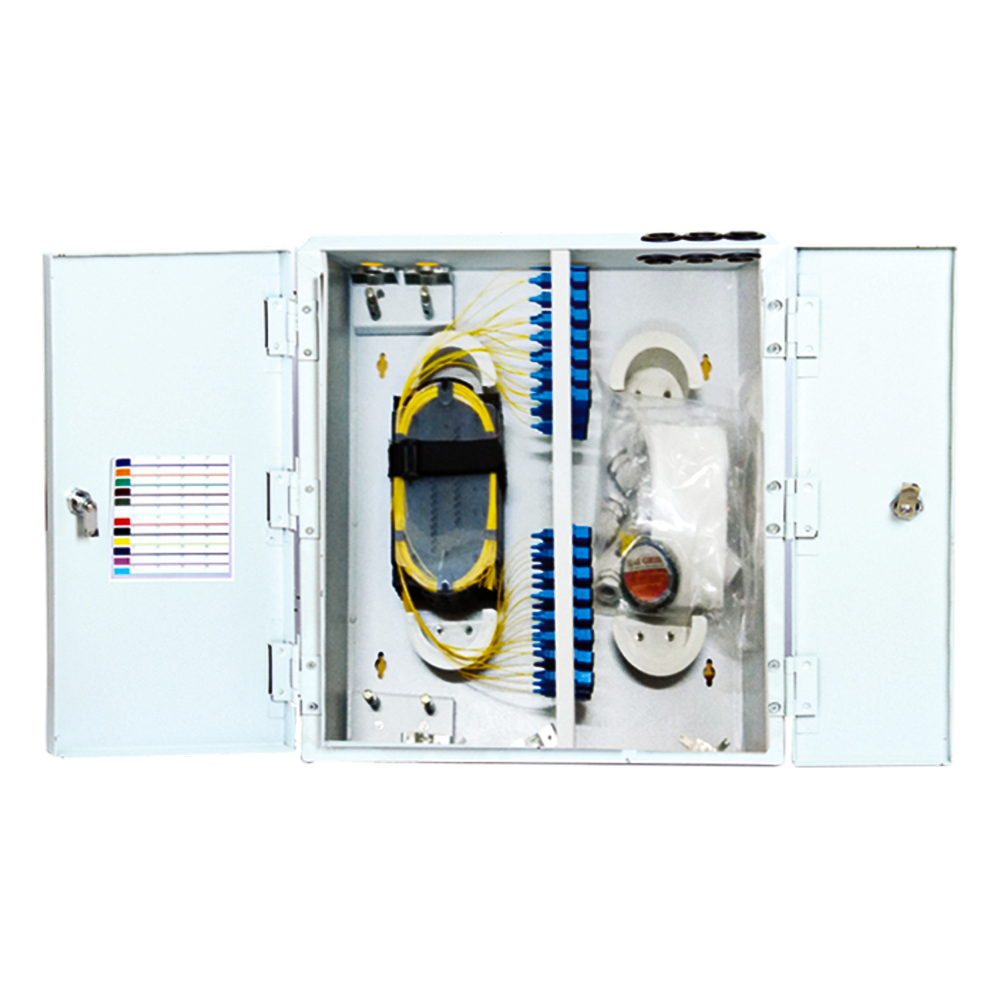 48F - Wall Mount FMS
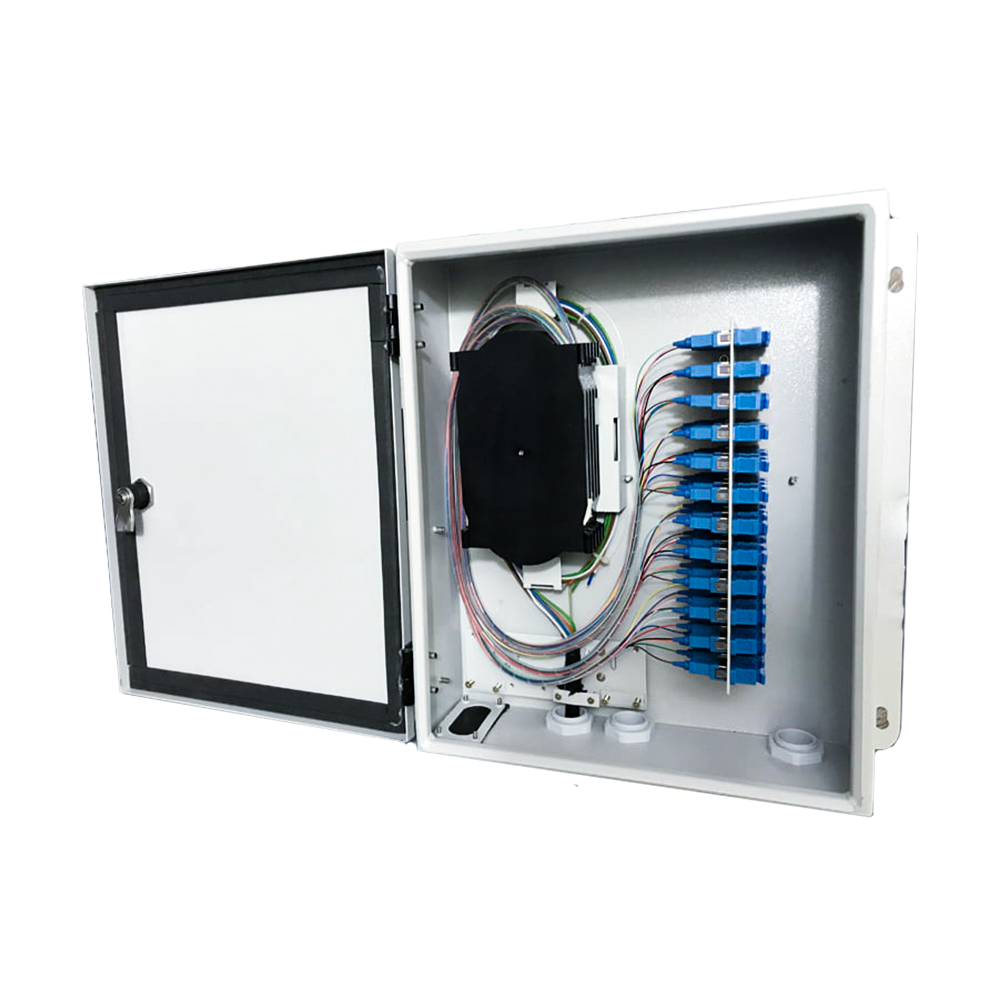 96F - Wall Mount FMS
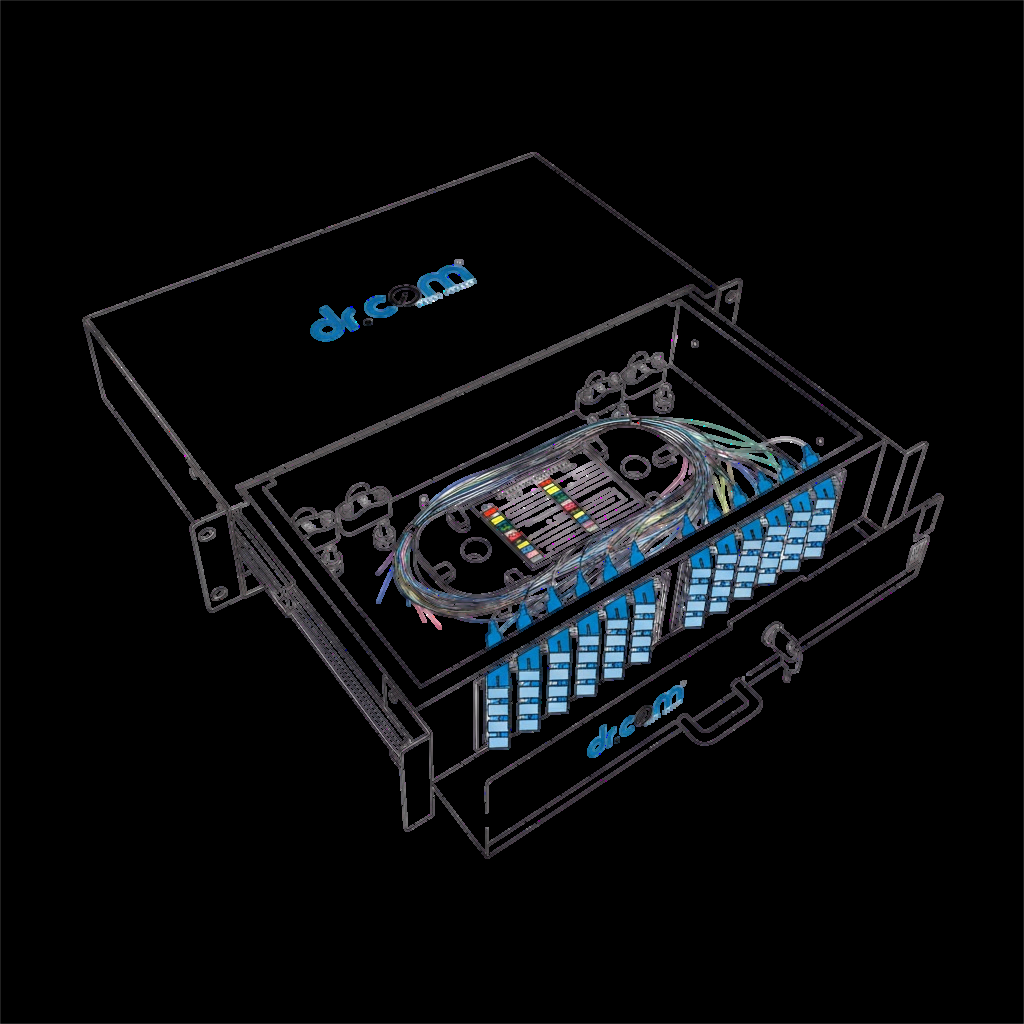 Rack Mount FMS
 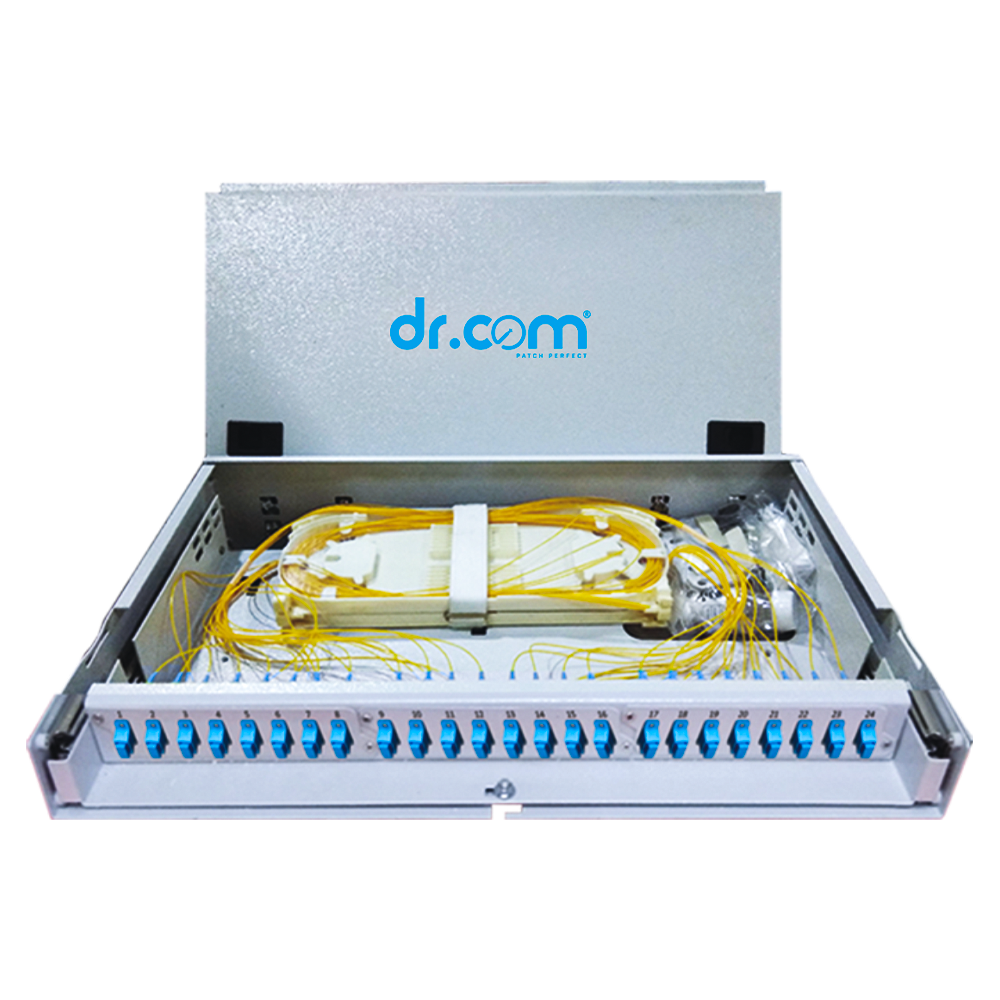 24F - Dome Unloaded Bamboo Type
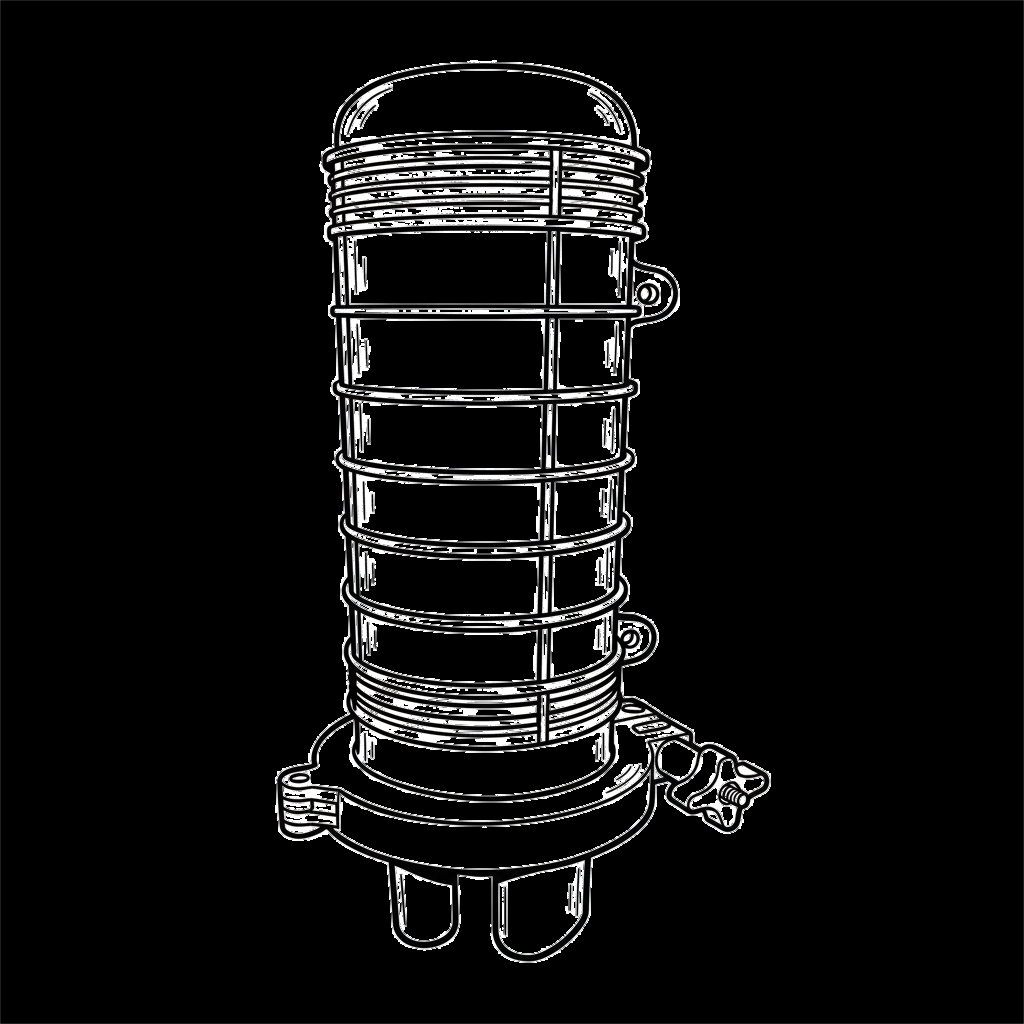 Dome Type Optical Fibre Enclosure
 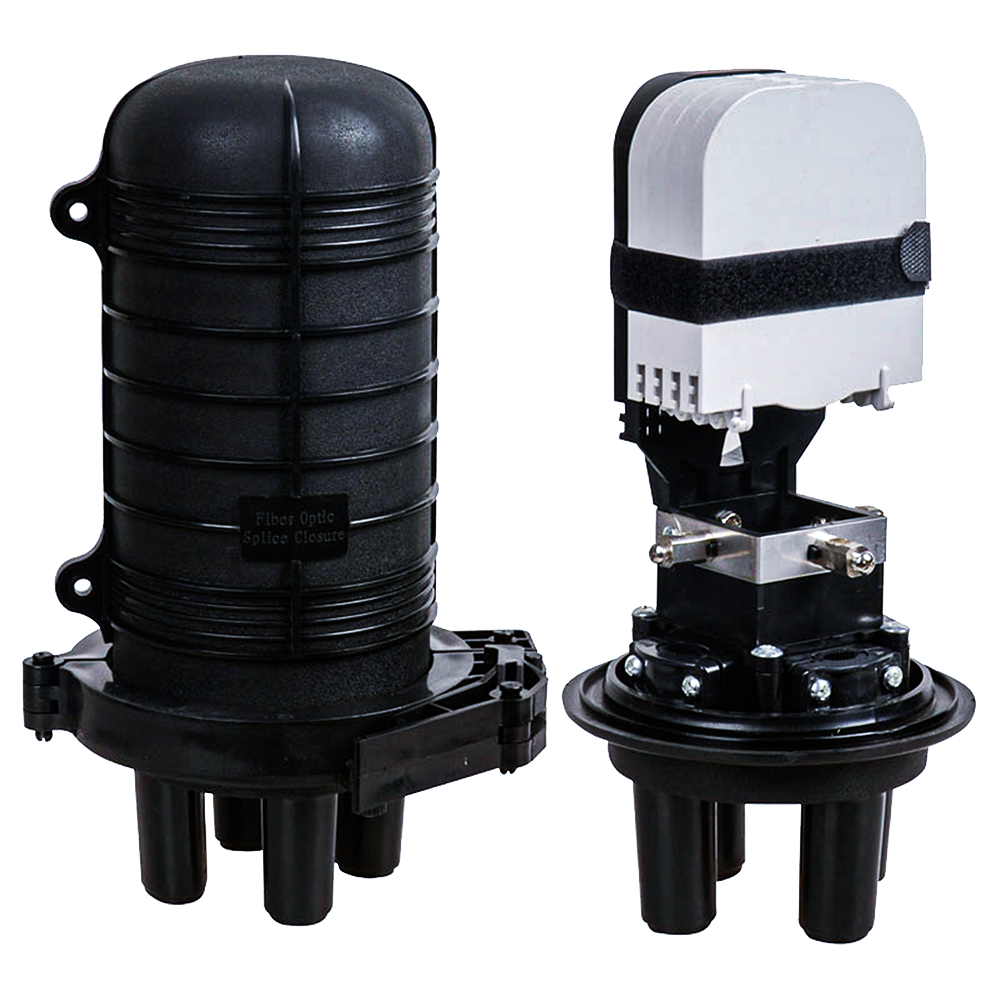 24F - Dome Unloaded Bamboo Type
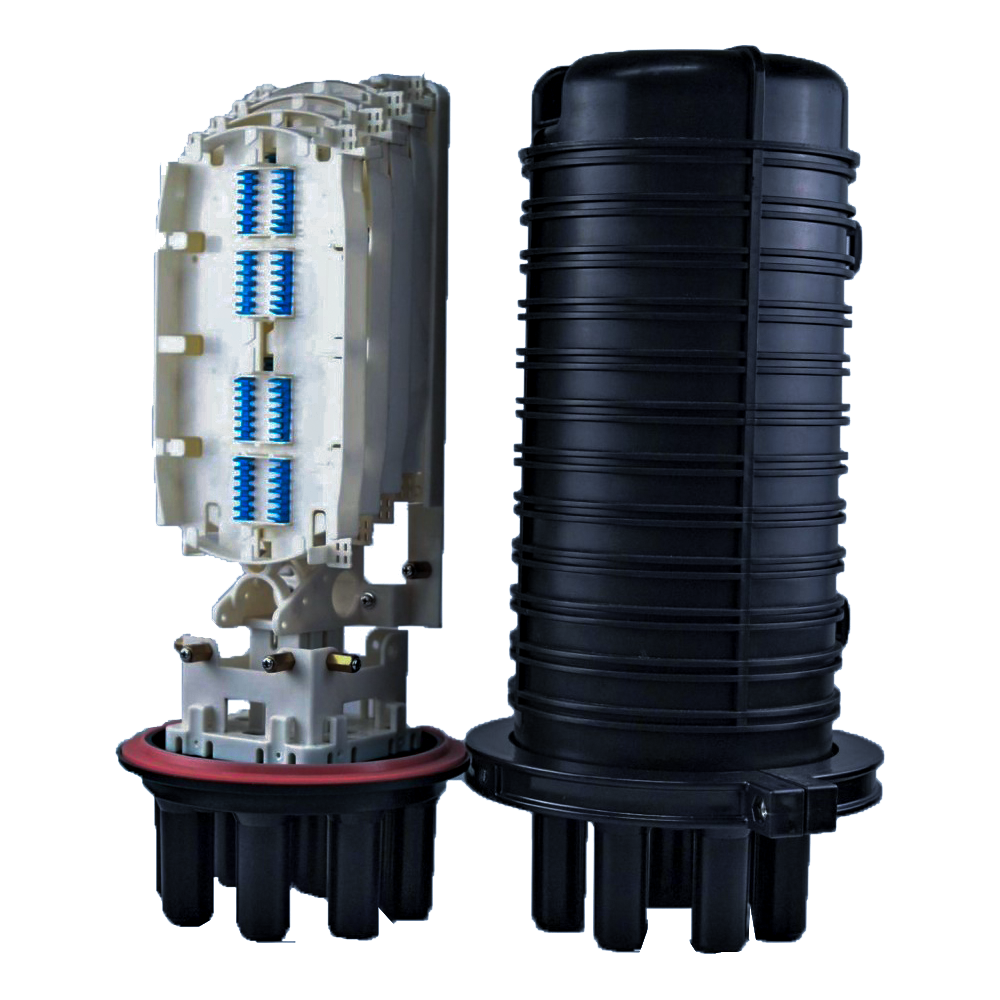 48F - Dome Unloaded Bamboo Type
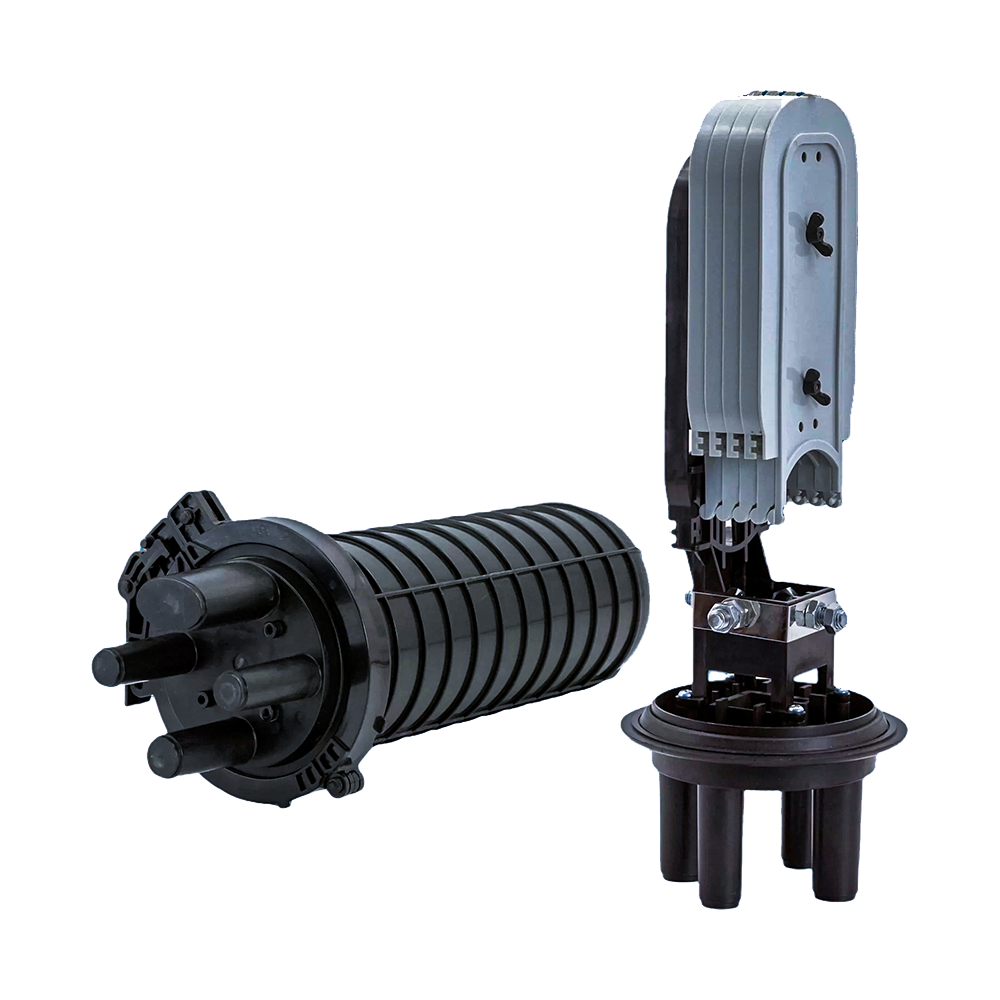 96F - Dome Unloaded Bamboo Type
 Accessories
 SFP Transceivers
 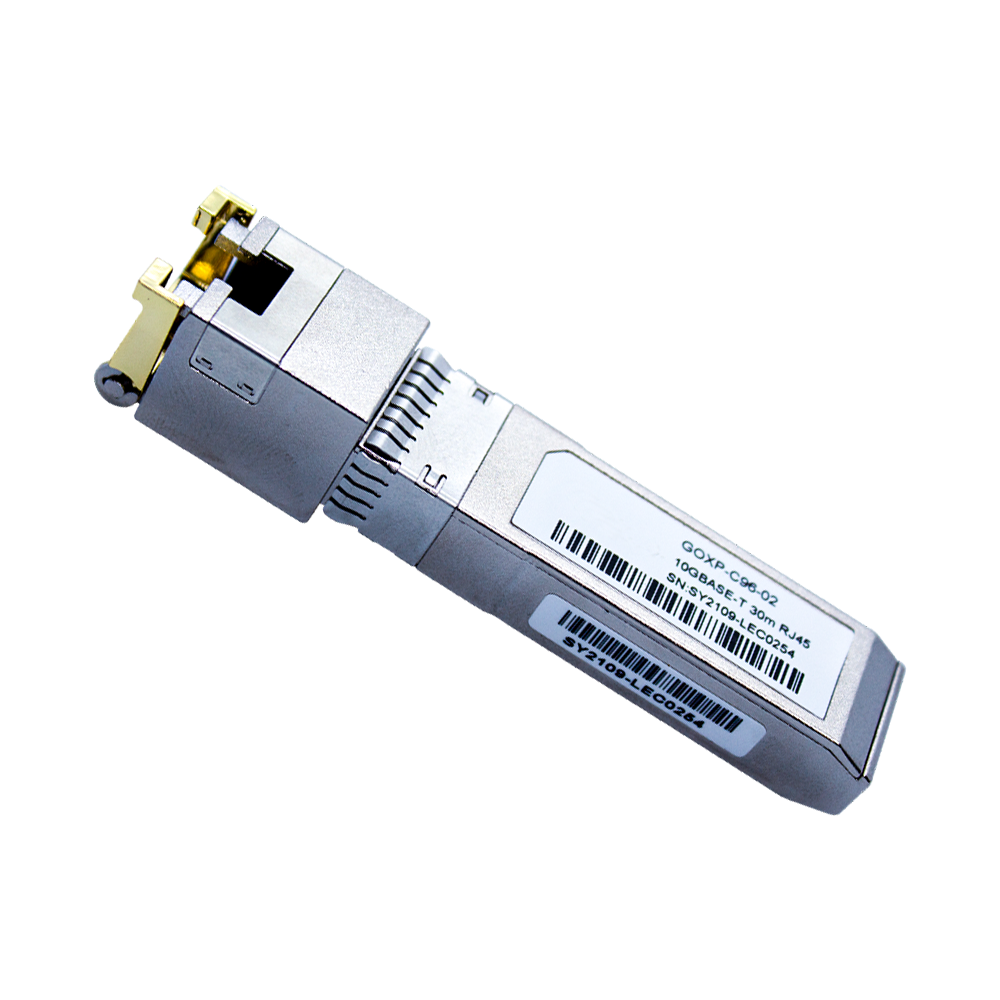 1G Single Fibre
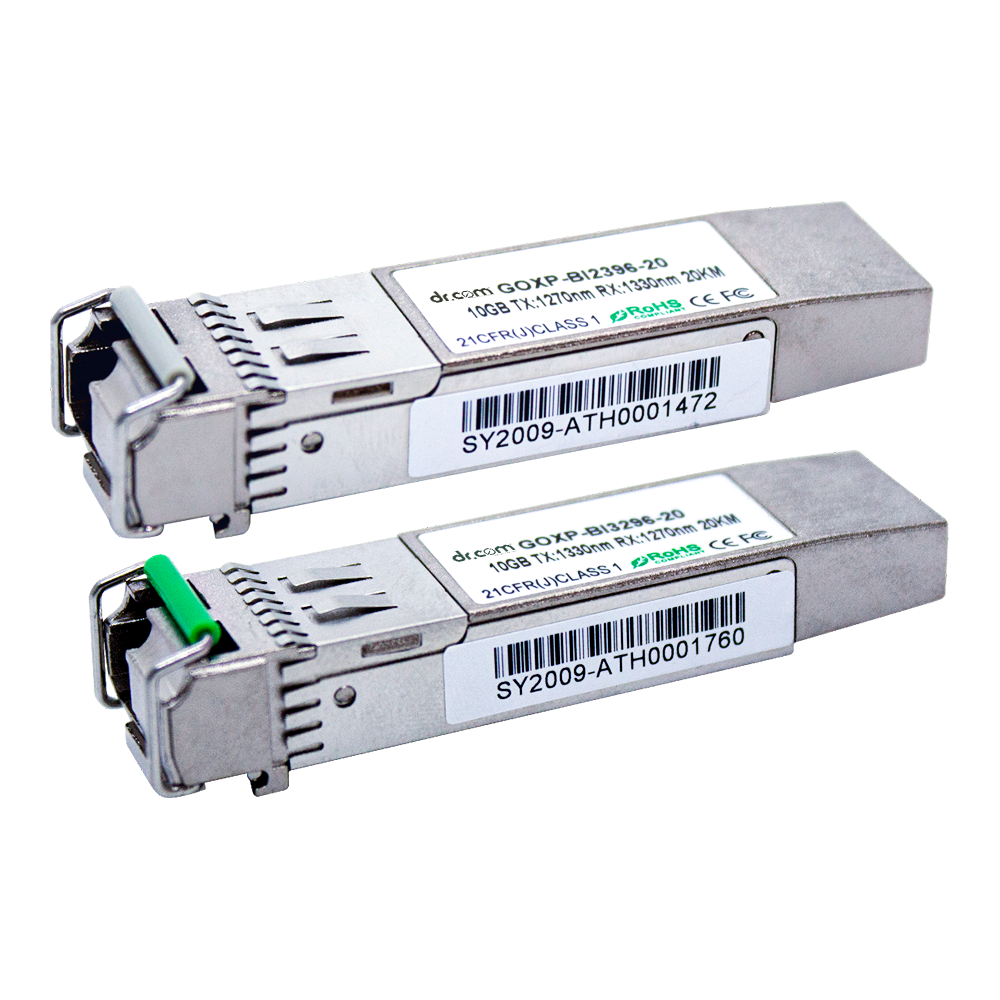 10G Single Fibre
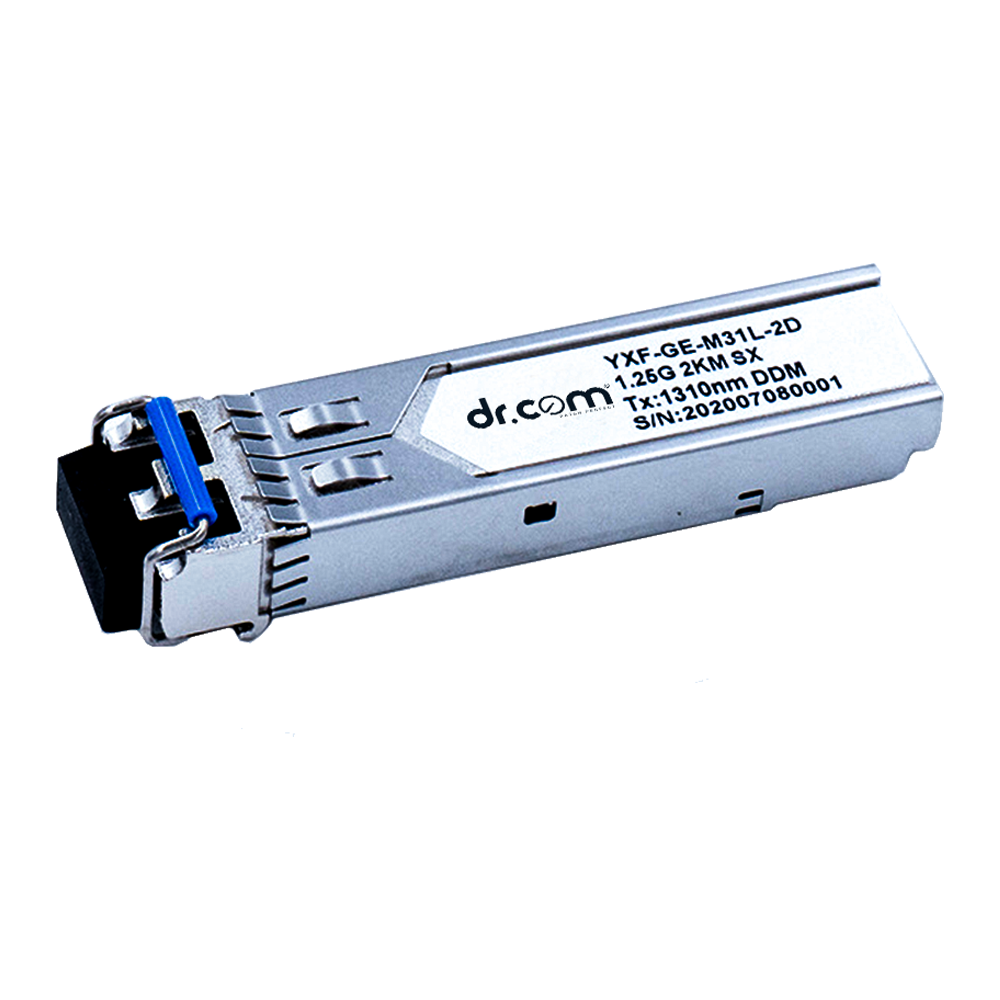 1G Dual Fibre
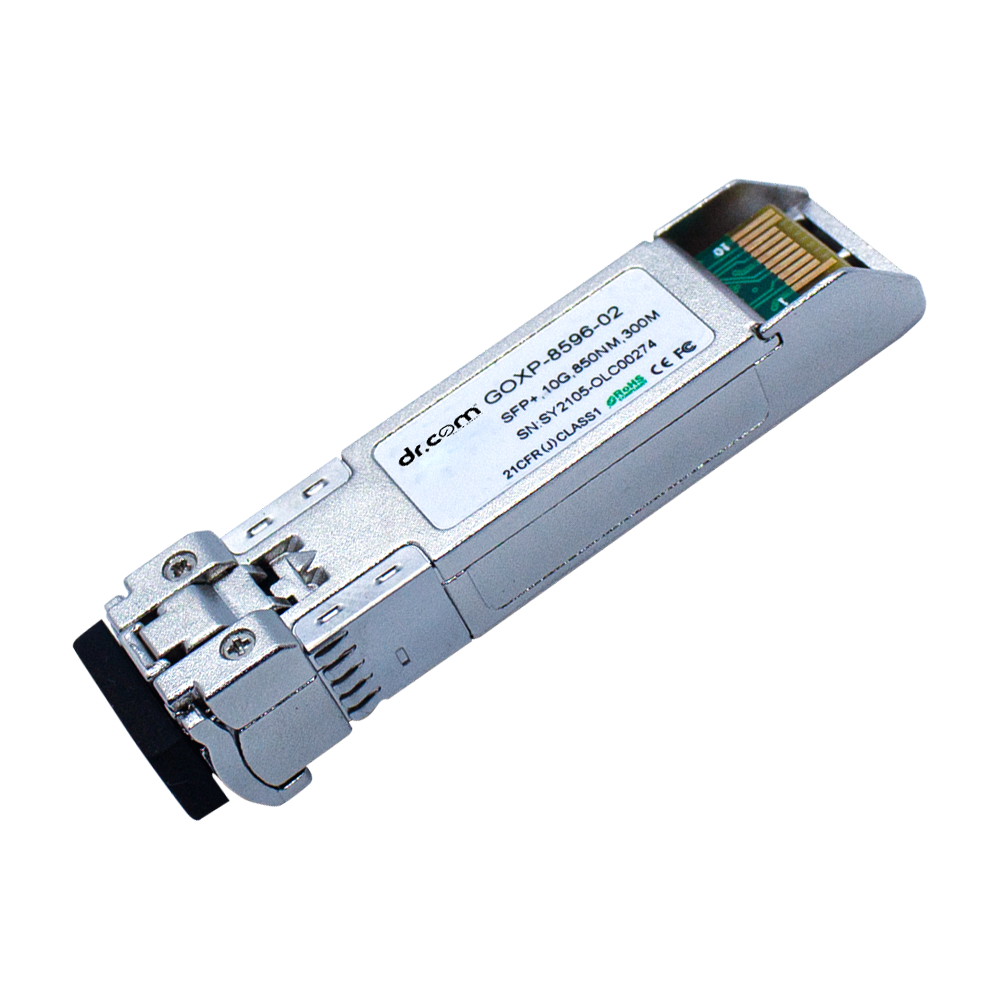 10G Dual Fibre
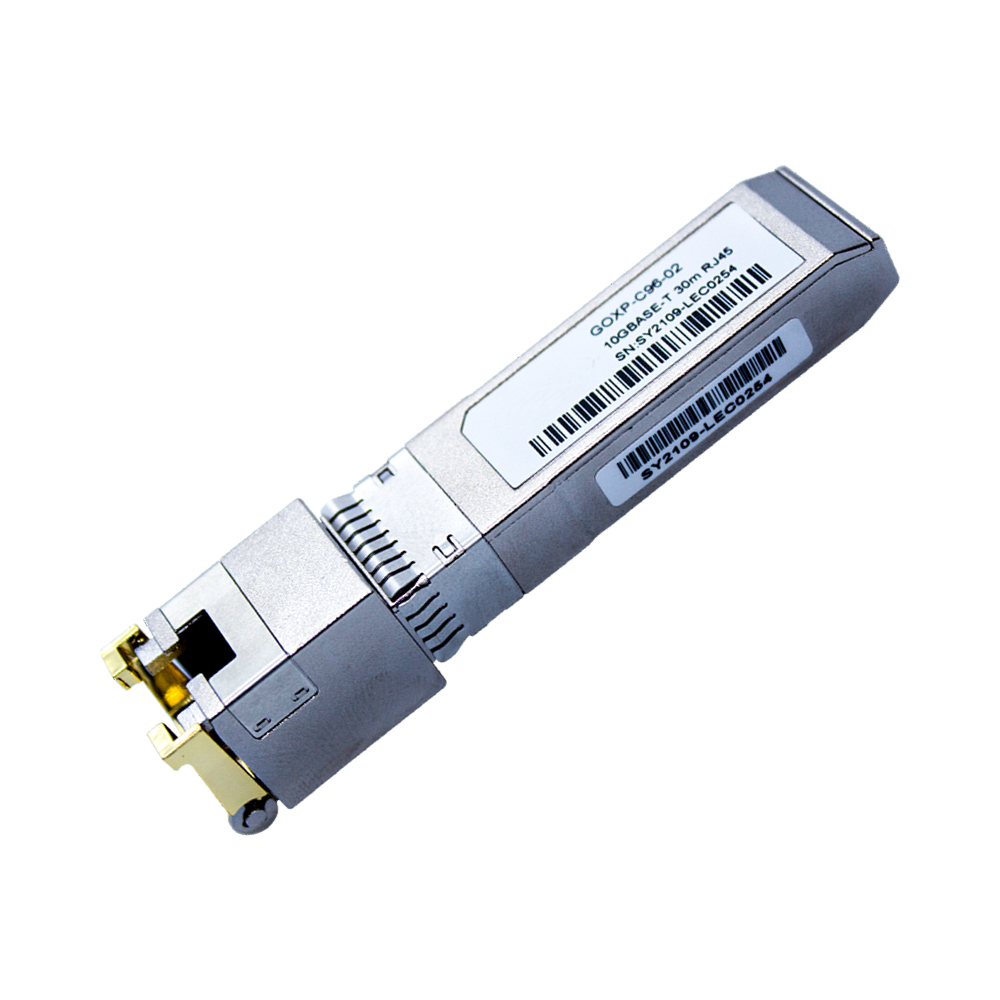 1G Copper
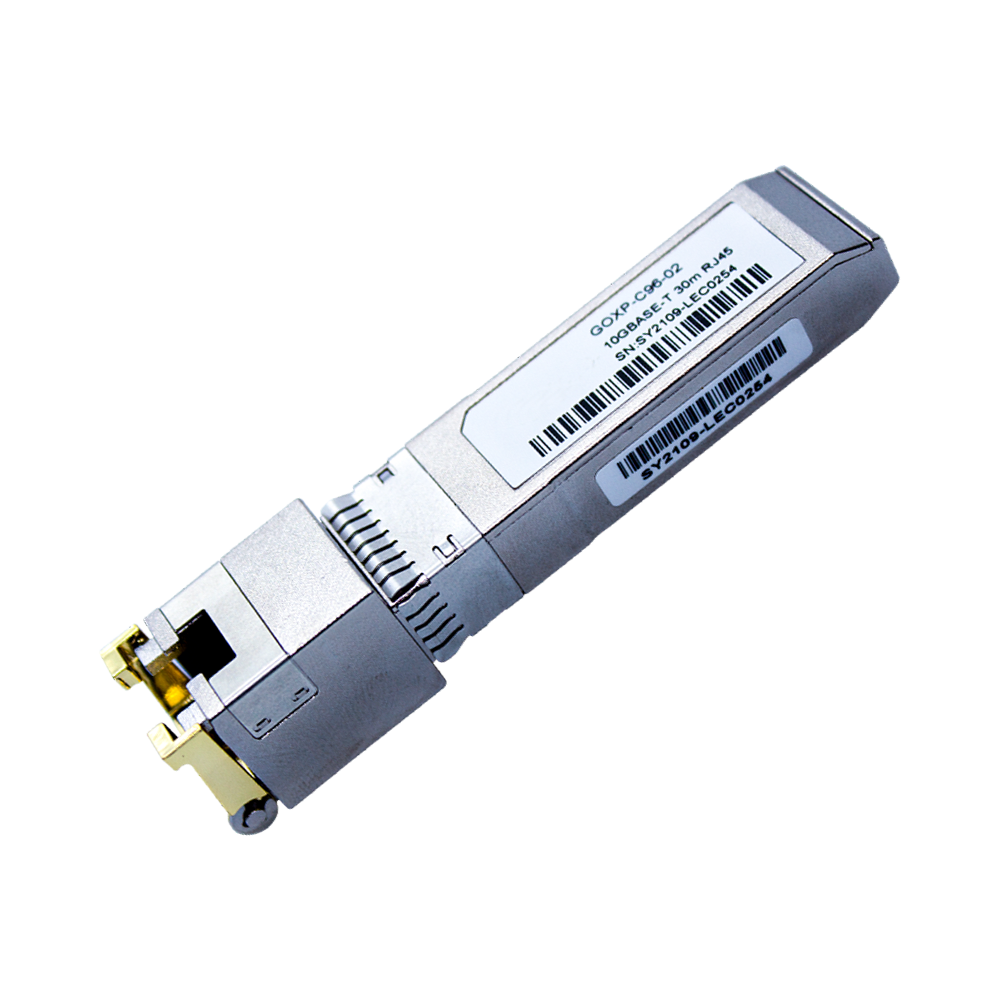 10G Copper
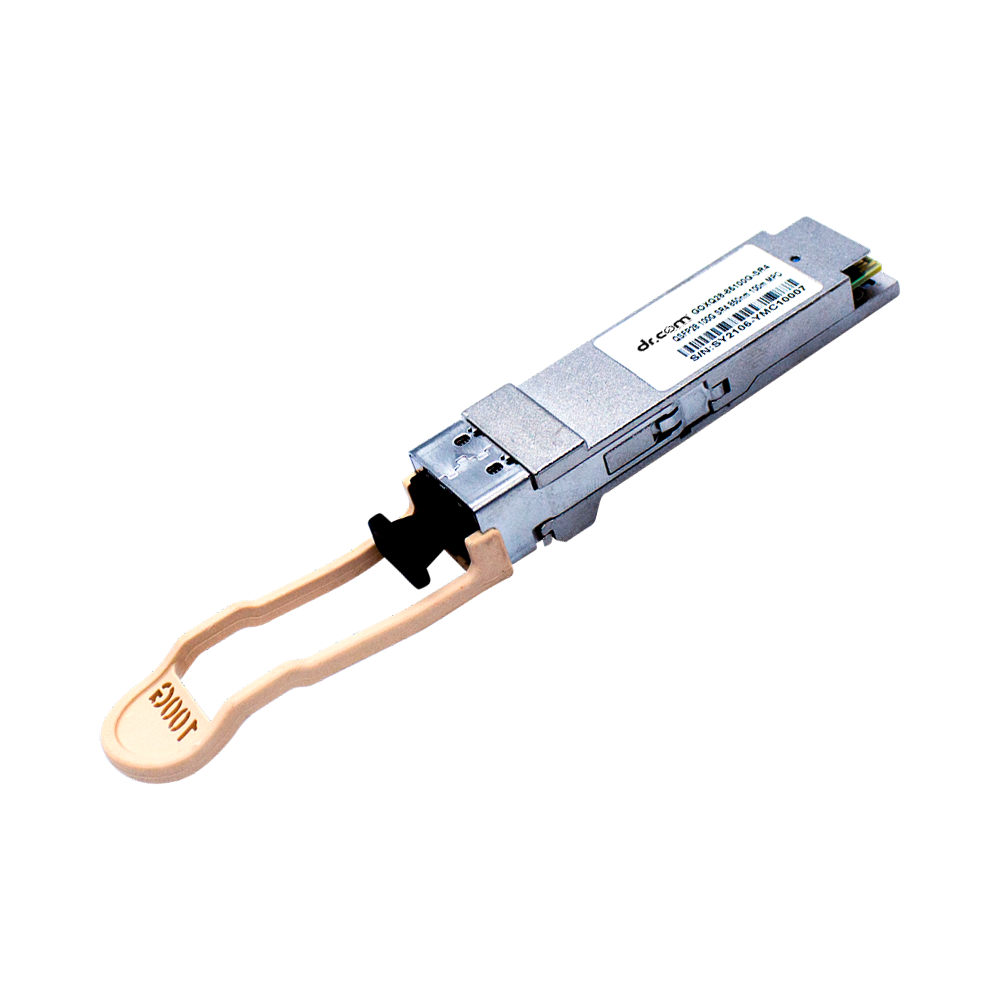 40G QSFP
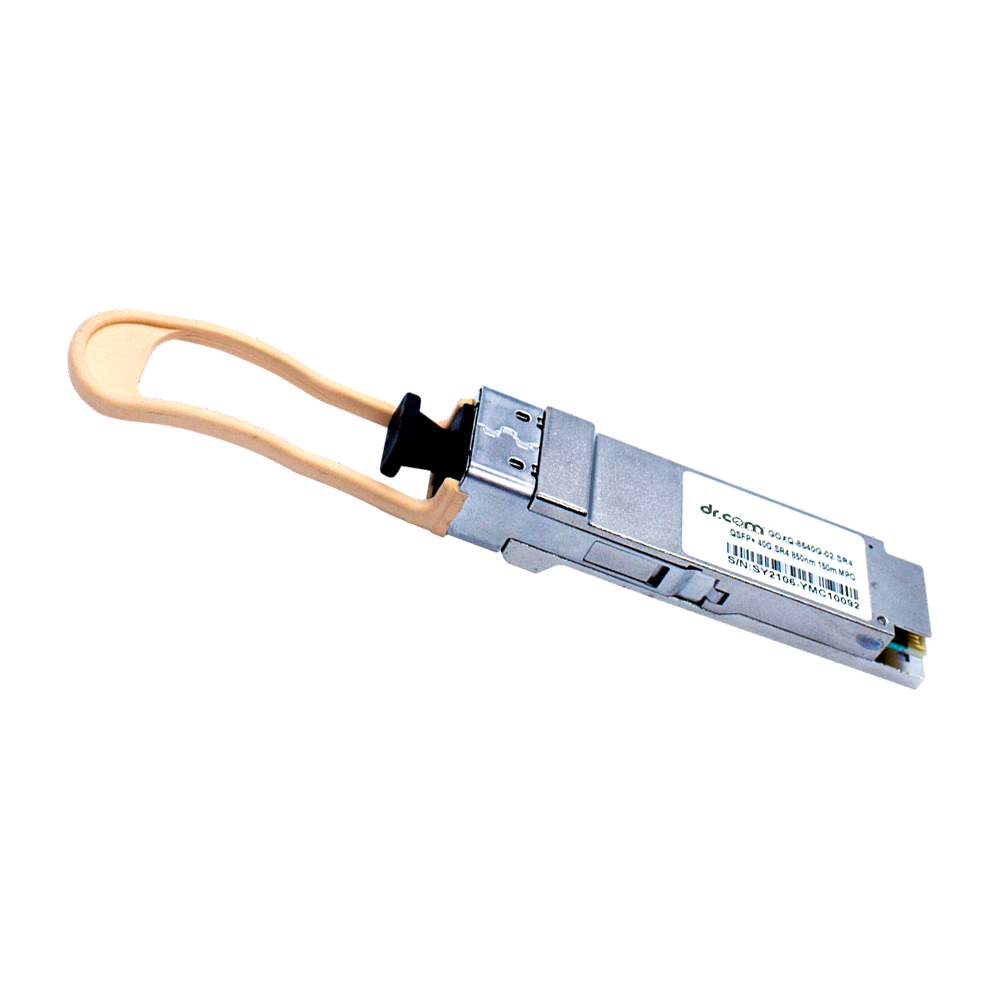 100G QSFP
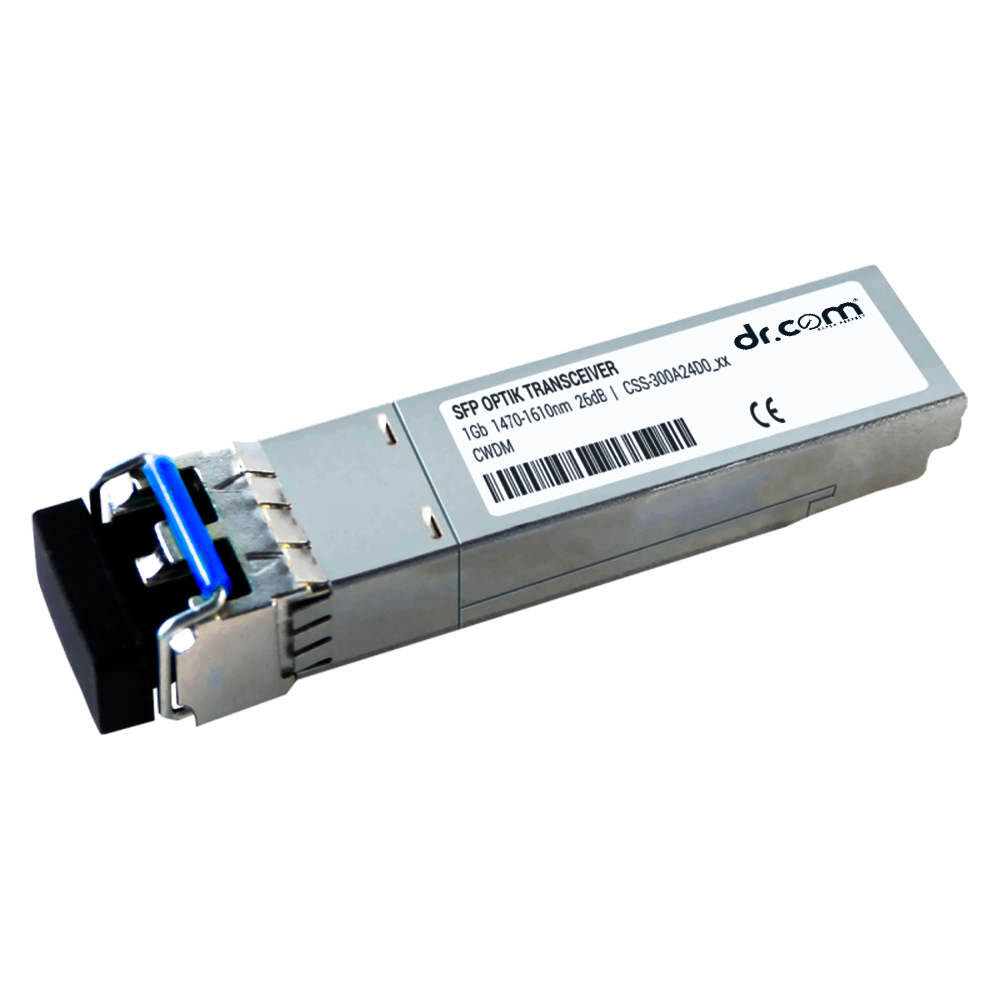 1G CWDM
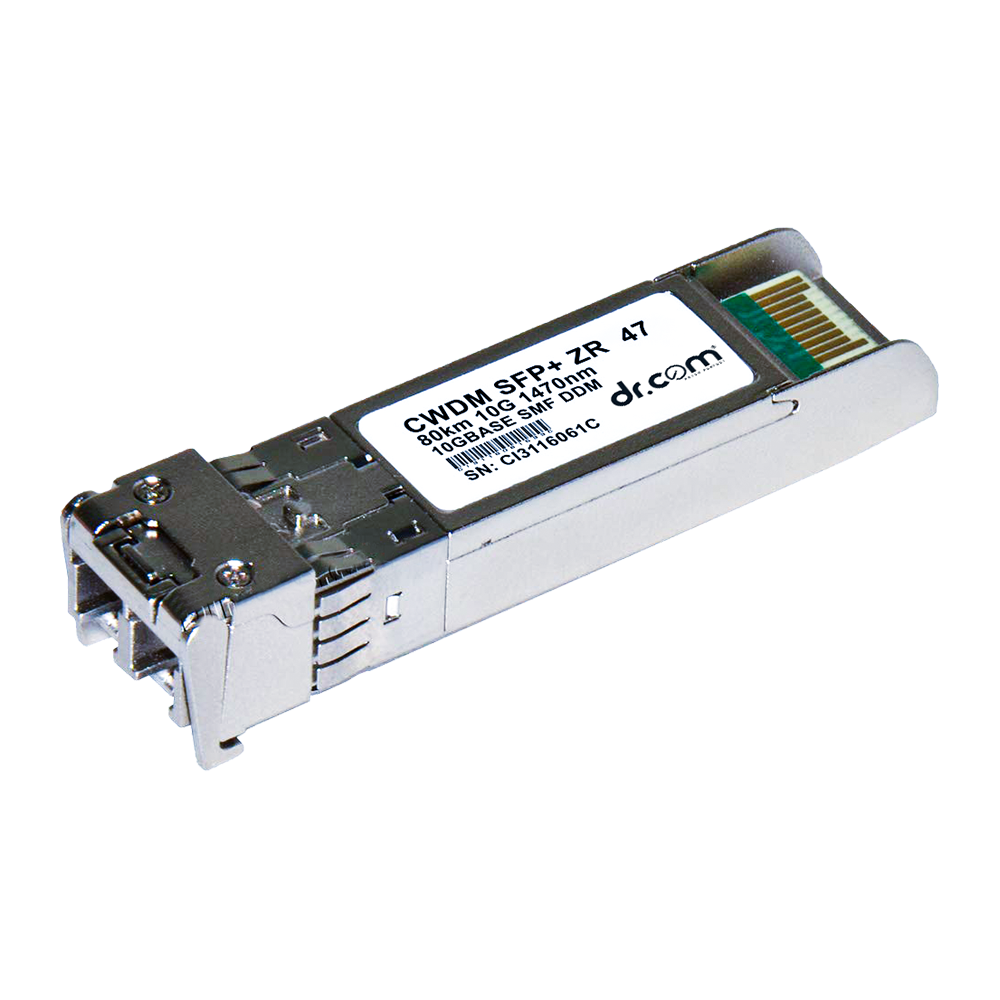 10G CWDM
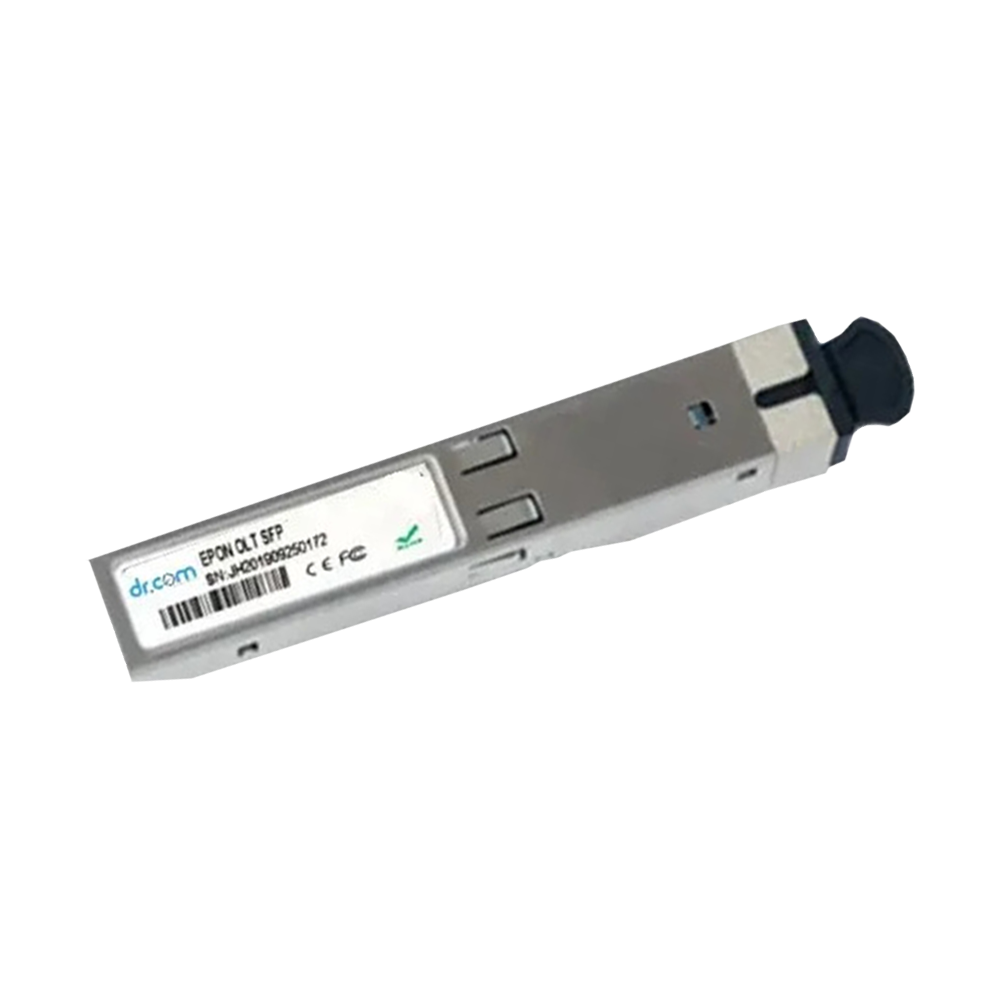 EPON PON Module
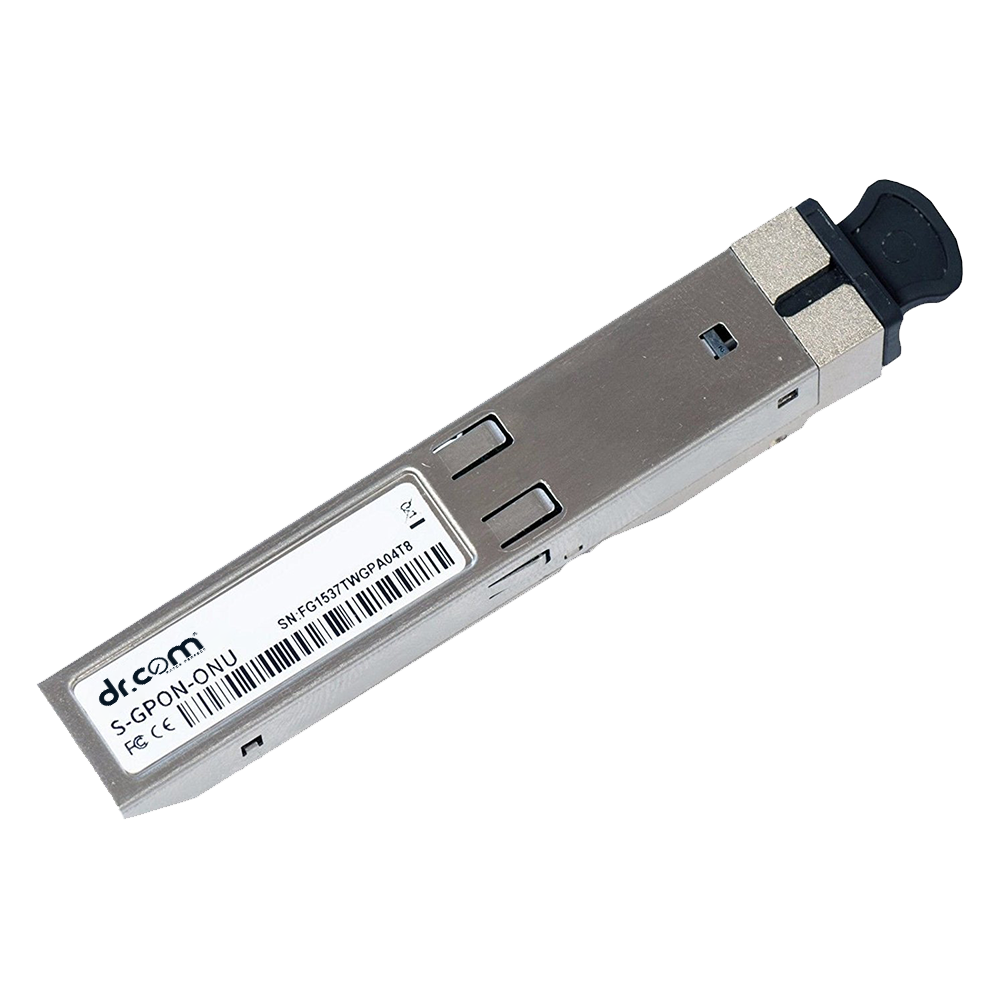 GPON PON Module
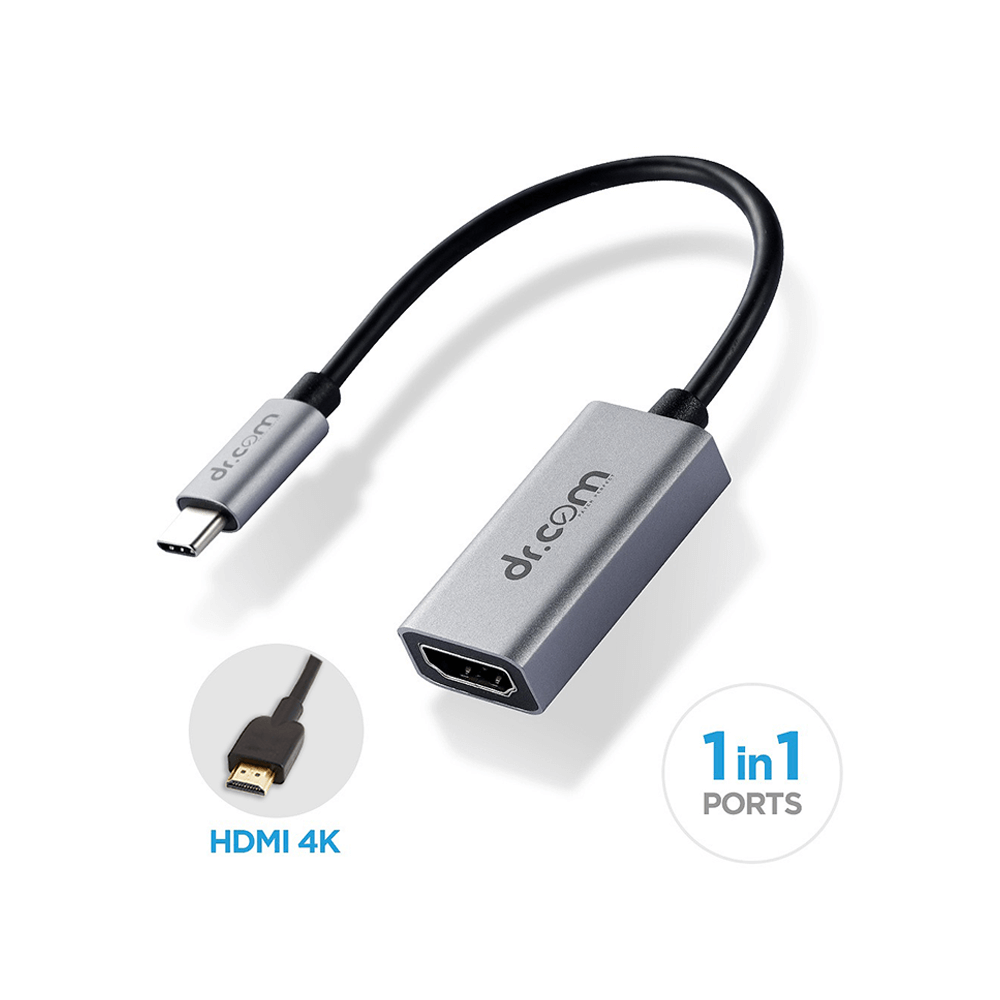 Multifunction Adpter DCH - 100
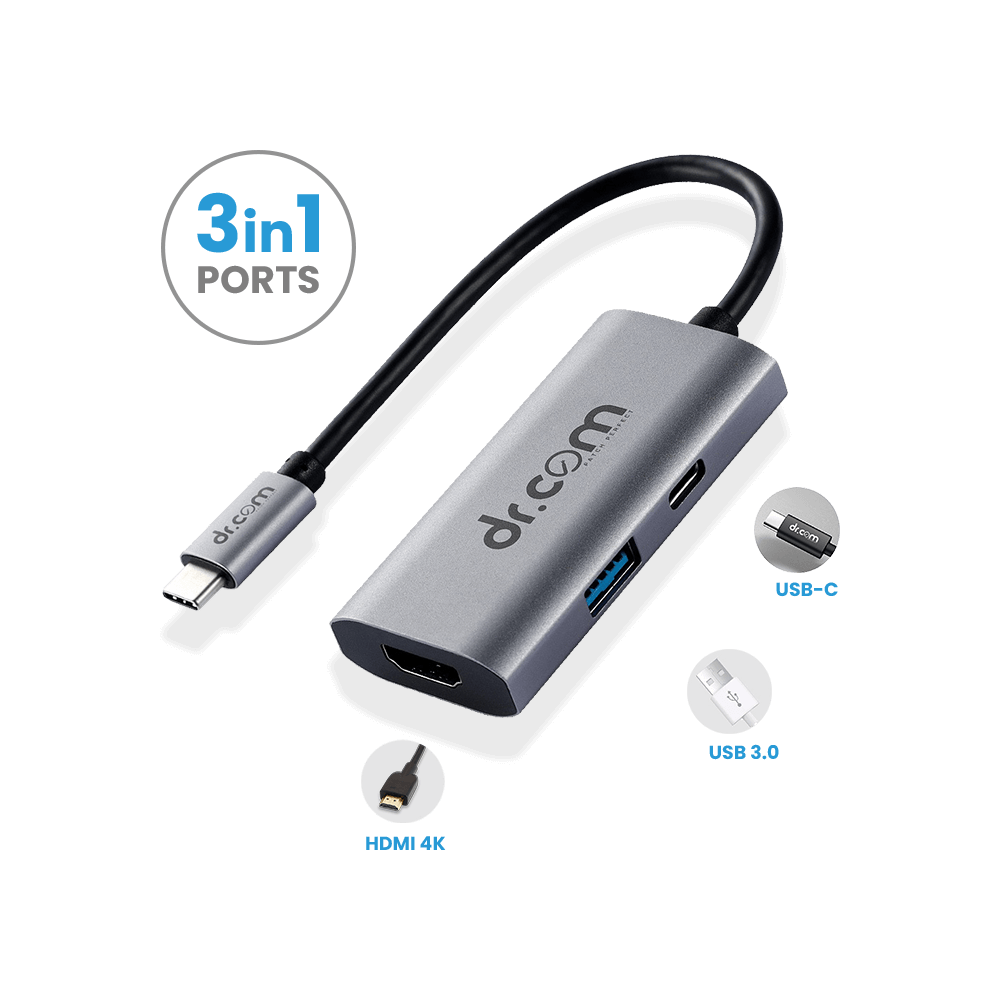 Multifunction Adpter DCH - 300
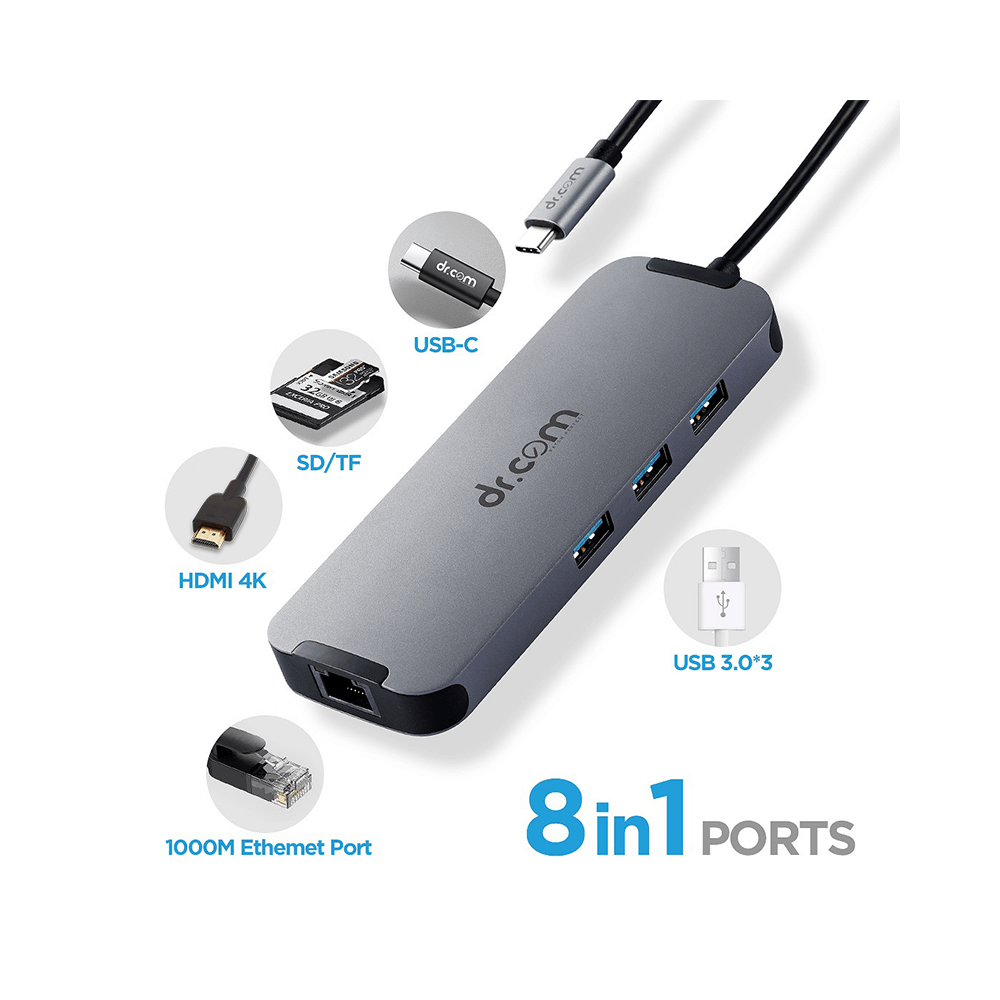 Multifunction Adpter DCH - 800
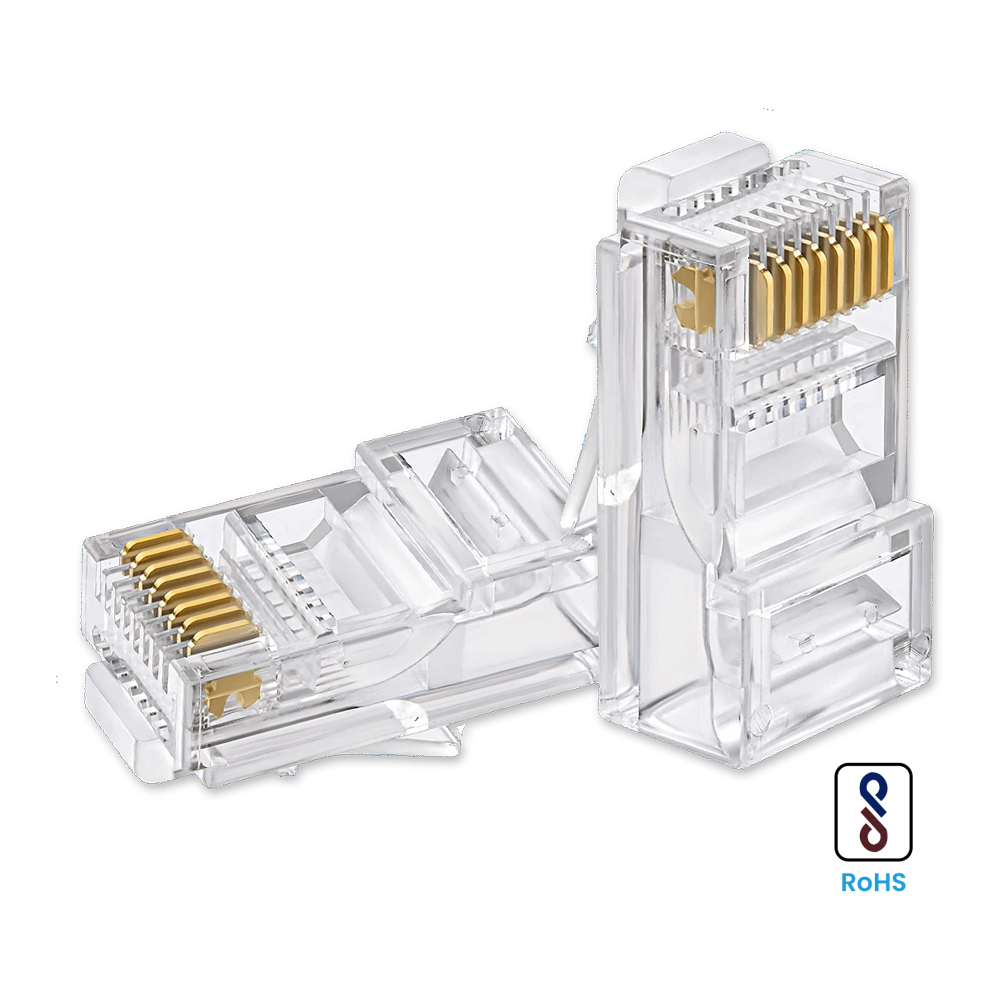 RJ45 Connectors
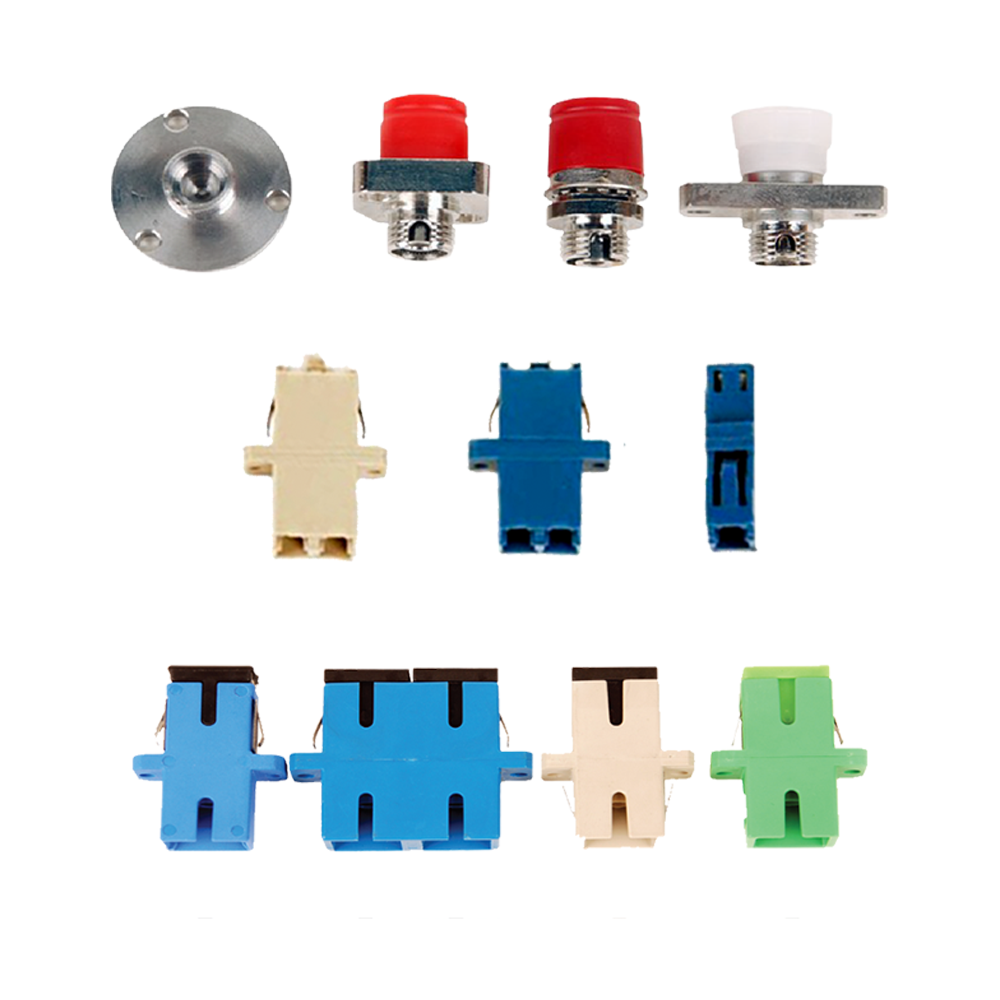 FC, LC, SC Fibre Connectors
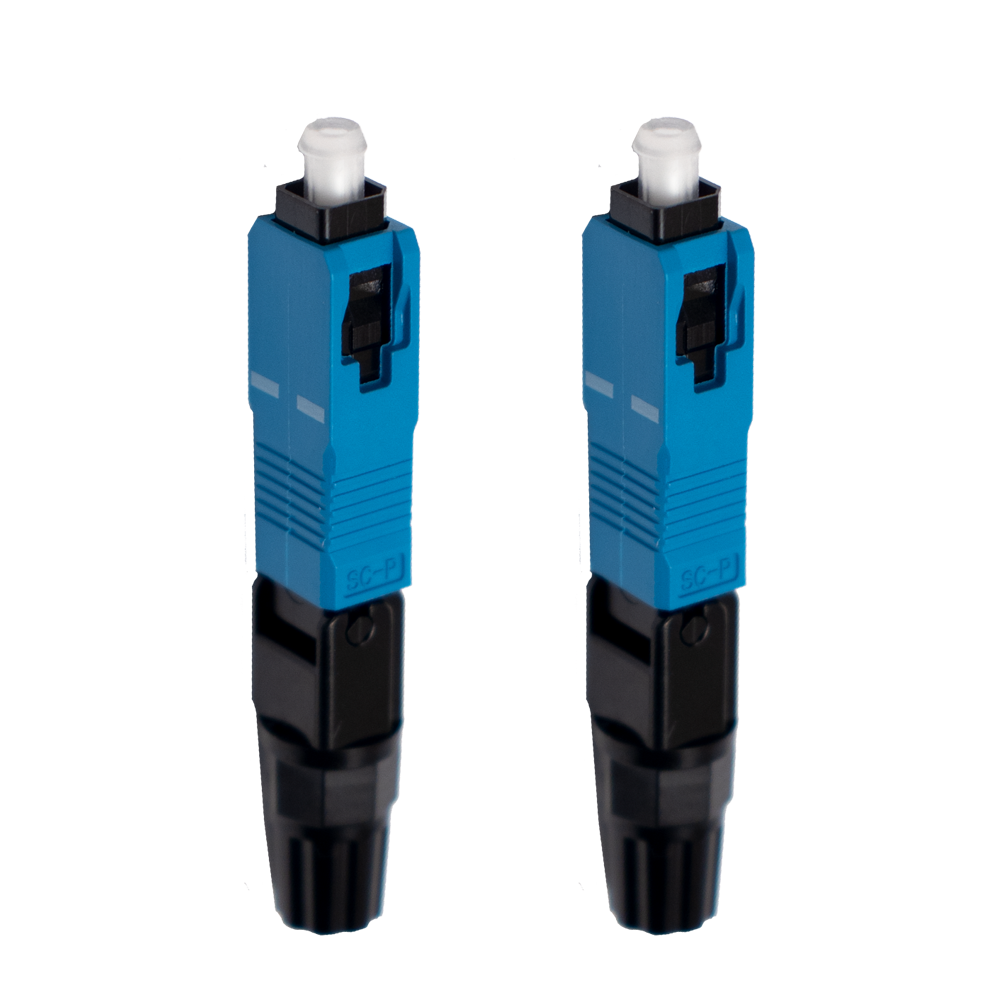 SC | UPC
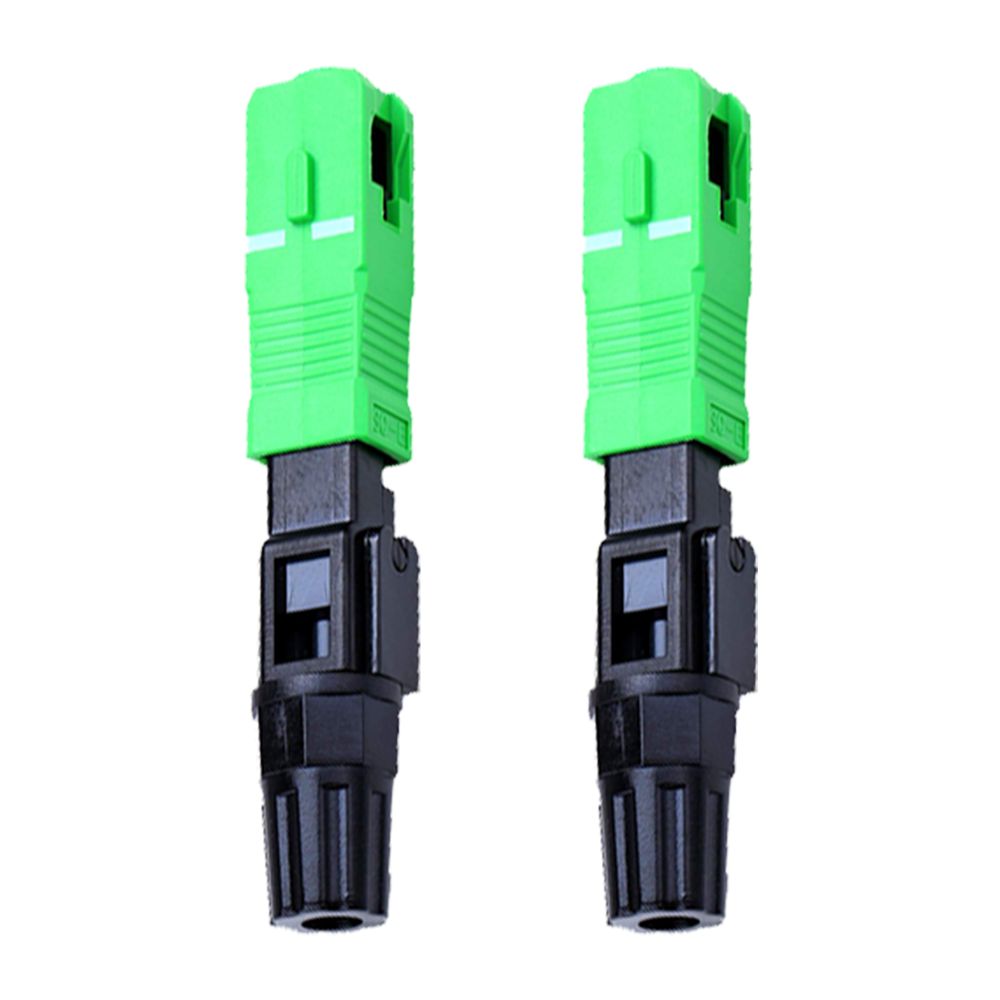 SC | APC
 Sleeves
 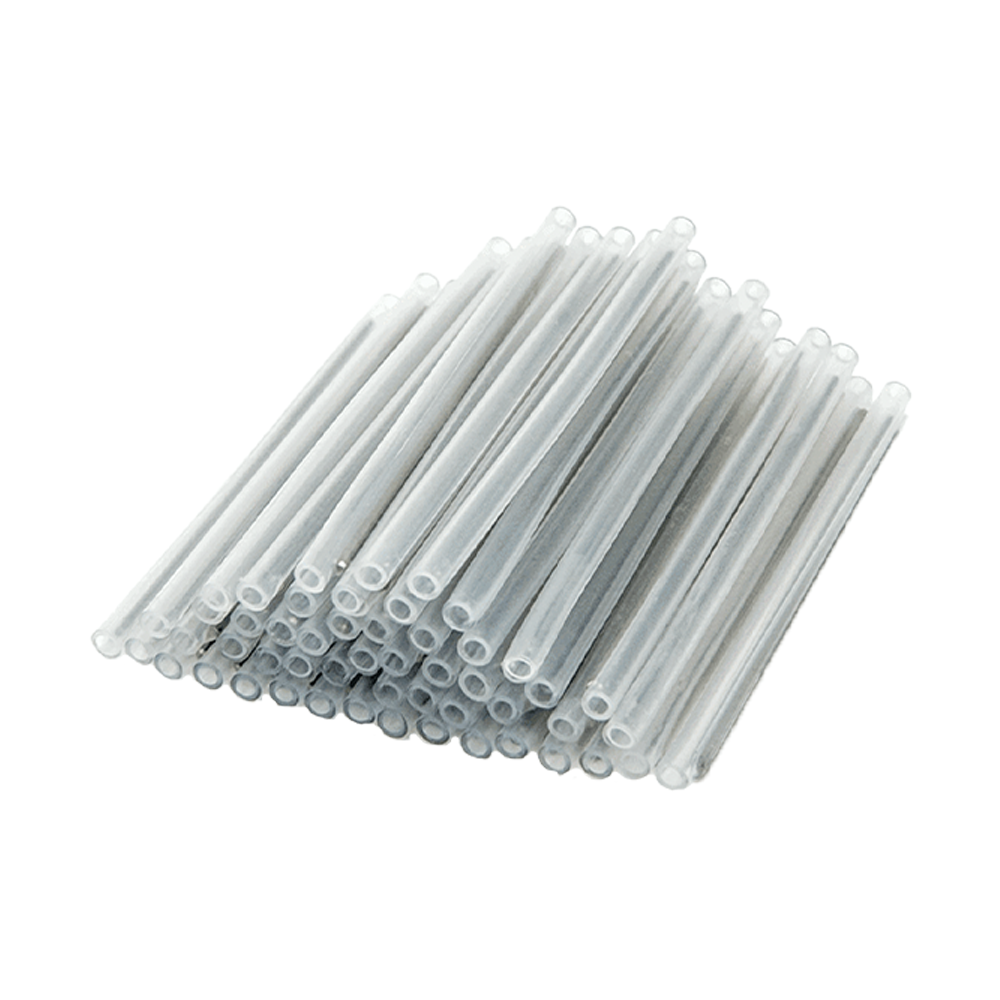 Fibre Sleeves 60mm
 Softwares
 Dr.Wan (SD-WAN)
 Dr.Biig (Broadband Internet Intelligent Gateway)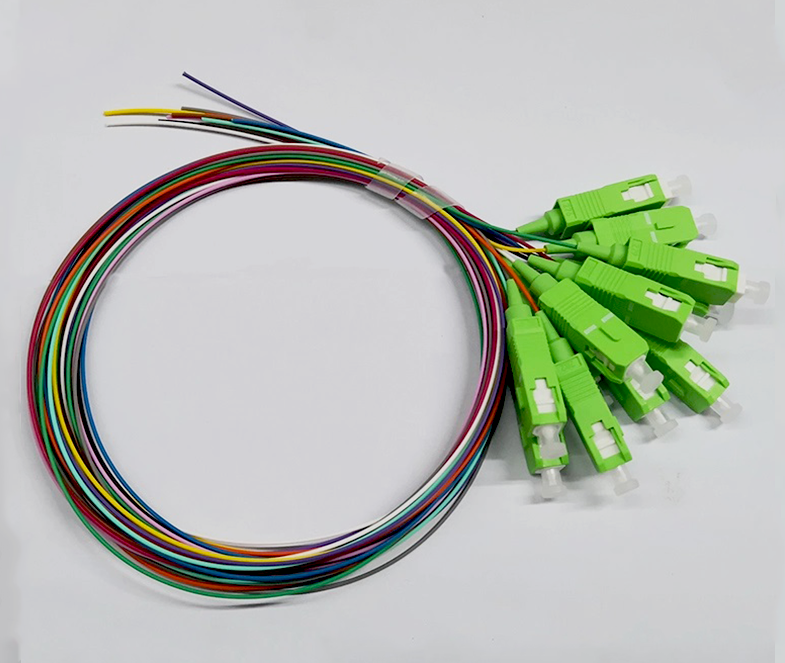
Optical Fibre Pigtails: Understanding the Basics
Optical Fibre Pigtails are an important component in Fibre optic cabling infrastructure. They are used to provide a reliable, high-performance connection between optical Fibres and other devices, such as switches, routers, and servers. In this article, we will explore what optical Fibre pigtails are, their differences from optical patch cords, and their various classifications based on Fibre type, connector type, interface polish type, application environment, Fibre count, and splicing.
What are Optical Fibre Pigtails?
Optical Fibre pigtails are short, pre-terminated Fibres that are spliced onto the end of an optical Fibre cable. They are typically 0.9mm or 2.0mm in diameter and are available in various lengths, Fibre types, connector types, and polishing types. Pigtails are used to provide a connection between a Fibre optic cable and other devices, such as patch panels, switches, or routers. They are available in single-mode and multimode Fibres, with different connector types such as LC, SC, ST, FC, and MTP.
Optical Patch Cords vs. Pigtails
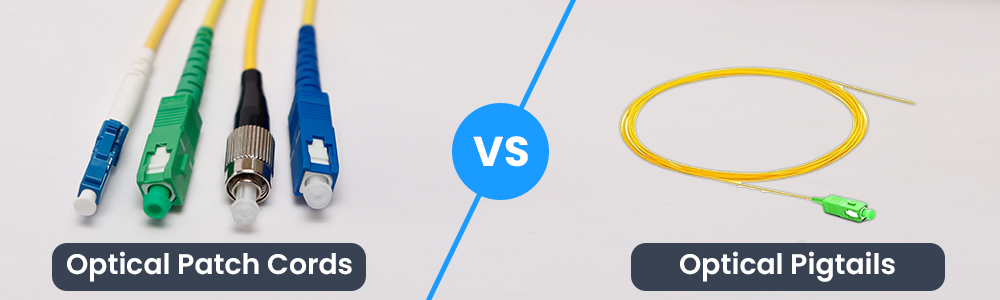
Optical patch cords are cables that connect two devices with optical Fibre connectors. They are used for temporary connections and are not spliced onto the end of an optical Fibre cable. In contrast, optical Fibre pigtails are spliced onto the end of an optical Fibre cable, providing a permanent connection. The pigtails are then connected to other devices with patch cords.
Fibre Type
Optical Fibre pigtails are available in single-mode and multimode Fibres. Single-mode Fibres have a small core diameter (typically 9 microns) and are designed for long-distance transmissions. Multimode Fibres have a larger core diameter (typically 50 or 62.5 microns) and are used for shorter distances.
Connector Type
Optical Fibre pigtails are available in different connector types, such as LC, SC, ST, FC, and MTP. LC connectors are small-form-factor connectors, while SC connectors are more common and have a square shape. ST connectors are circular connectors that are commonly used in industrial applications, while FC connectors are threaded connectors that are commonly used in telecom applications. MTP connectors are multi-Fibre connectors that can support up to 12 Fibres.
Interface Polish Type
Optical Fibre pigtails are available in different polishing types, such as PC (Physical Contact), UPC (Ultra Physical Contact), and APC (Angled Physical Contact). PC polishing is the most common type and provides a low insertion loss and high return loss. UPC polishing provides an even lower insertion loss and higher return loss. APC polishing provides the highest return loss, making it suitable for high-speed, long-distance transmissions.
Application Environment
Optical Fibre pigtails are available in different jacket materials to suit different application environments. For example, indoor applications typically use PVC or LSZH (Low Smoke Zero Halogen) jackets, while outdoor applications typically use polyethylene or polyurethane jackets. LSZH jackets are preferred for indoor applications because they release less toxic smoke in the event of a fire.
Fibre Count
Optical Fibre pigtails are available in different Fibre counts, from single-Fibre to 12-Fibre pigtails. The most common Fibre count is duplex (two Fibres), which is used for transmitting and receiving signals simultaneously.
Fibre Pigtail Splicing
Optical Fibre pigtails are typically spliced onto the end of an optical Fibre cable using fusion splicing or mechanical splicing. Fusion splicing provides a low insertion loss and high tensile strength, making it suitable for high-performance applications. Mechanical splicing is a simpler and less expensive method, but it provides a higher insertion loss and lower
Conclusion:
In conclusion, optical Fibre pigtails are an essential component in Fibre optic cabling infrastructure, providing a reliable and high-performance connection between optical Fibres and other devices. They are available in different Fibre types, connector types, interface polish types, application environments, and Fibre counts. Splicing is a critical step in installing optical Fibre pigtails, and the two common methods are fusion splicing and mechanical splicing. When it comes to Fibre pigtails, it's important to choose a reliable and trusted brand. dr.com is a leading manufacturer of Fibre optic pigtails, offering a wide range of single-mode and multimode pigtails in different connector types, Fibre counts, and polishing types. dr.com Fibre pigtails are manufactured to high-quality standards, ensuring optimal performance and reliability in any application environment.