
 Optical
 Duct | Unarmoured Cable
 Indoor Cables
 All Dielectric Self Supporting Cables
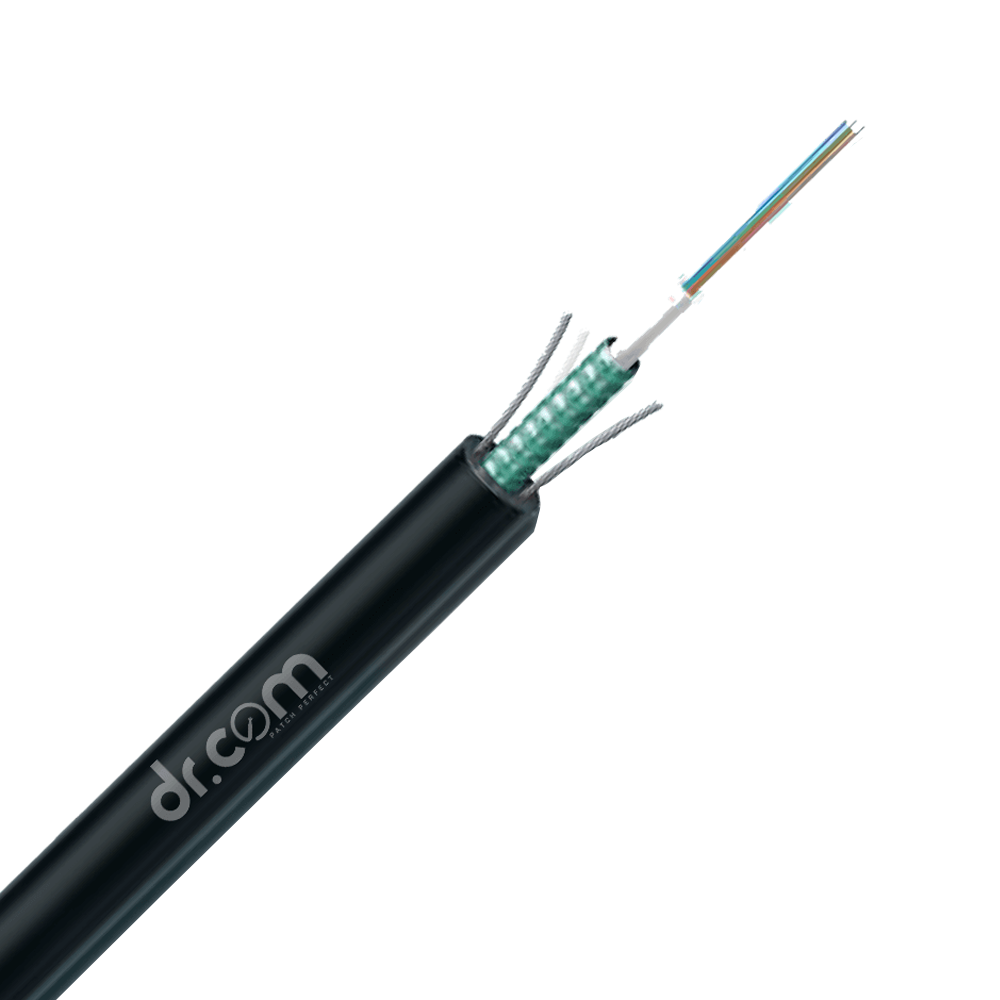 Armoured Cables
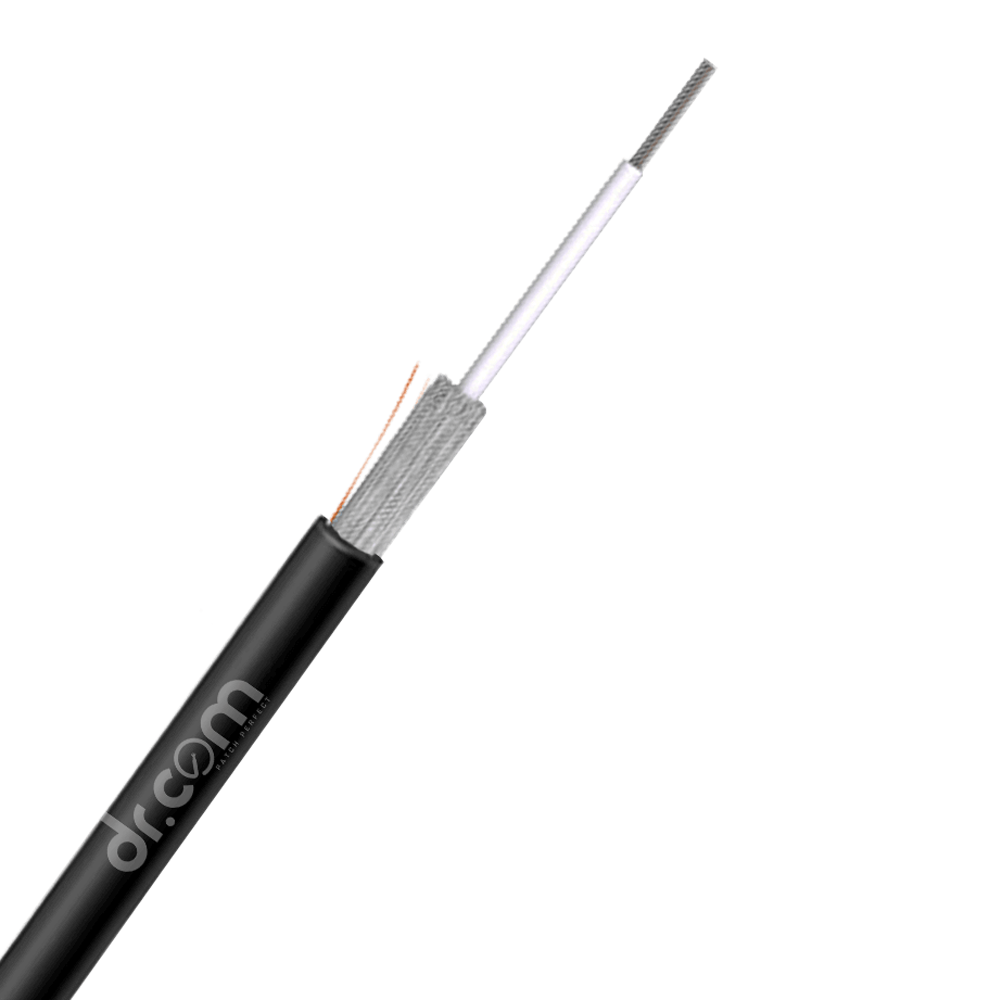 Drop Cables
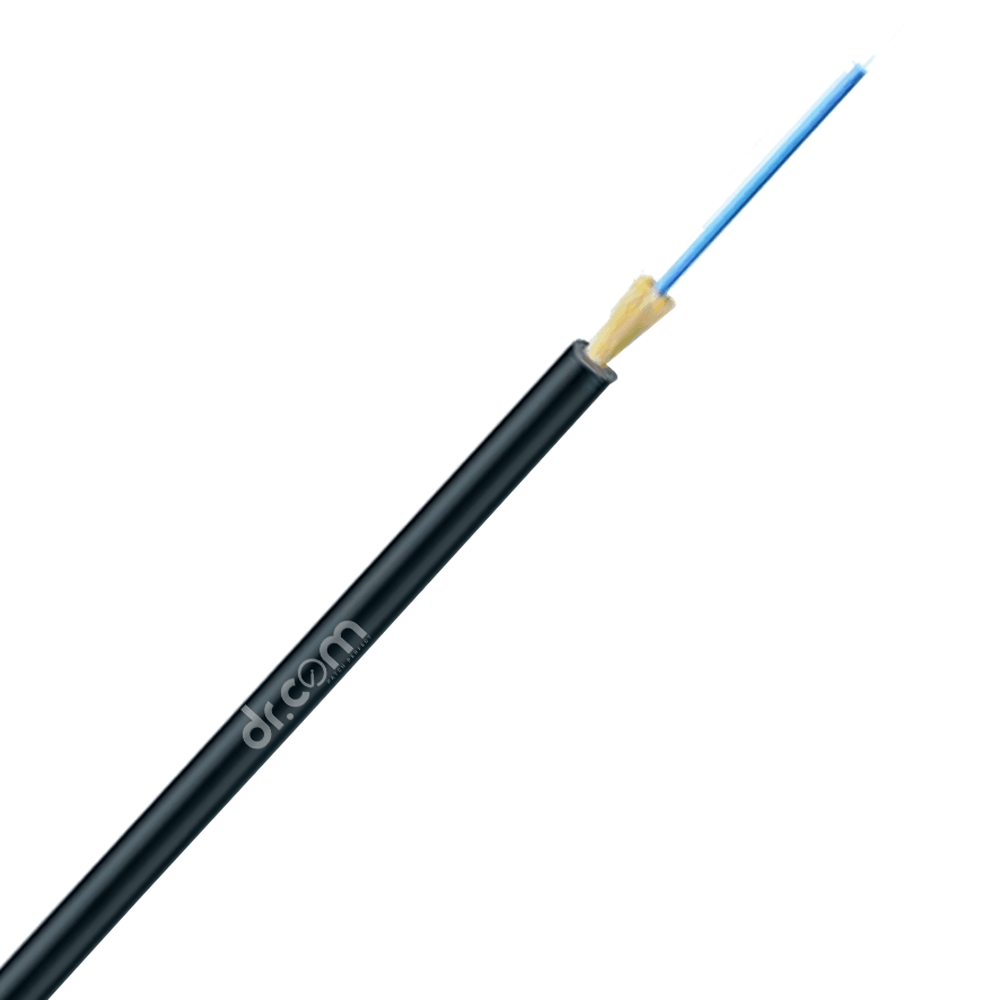 Interconnect Cables
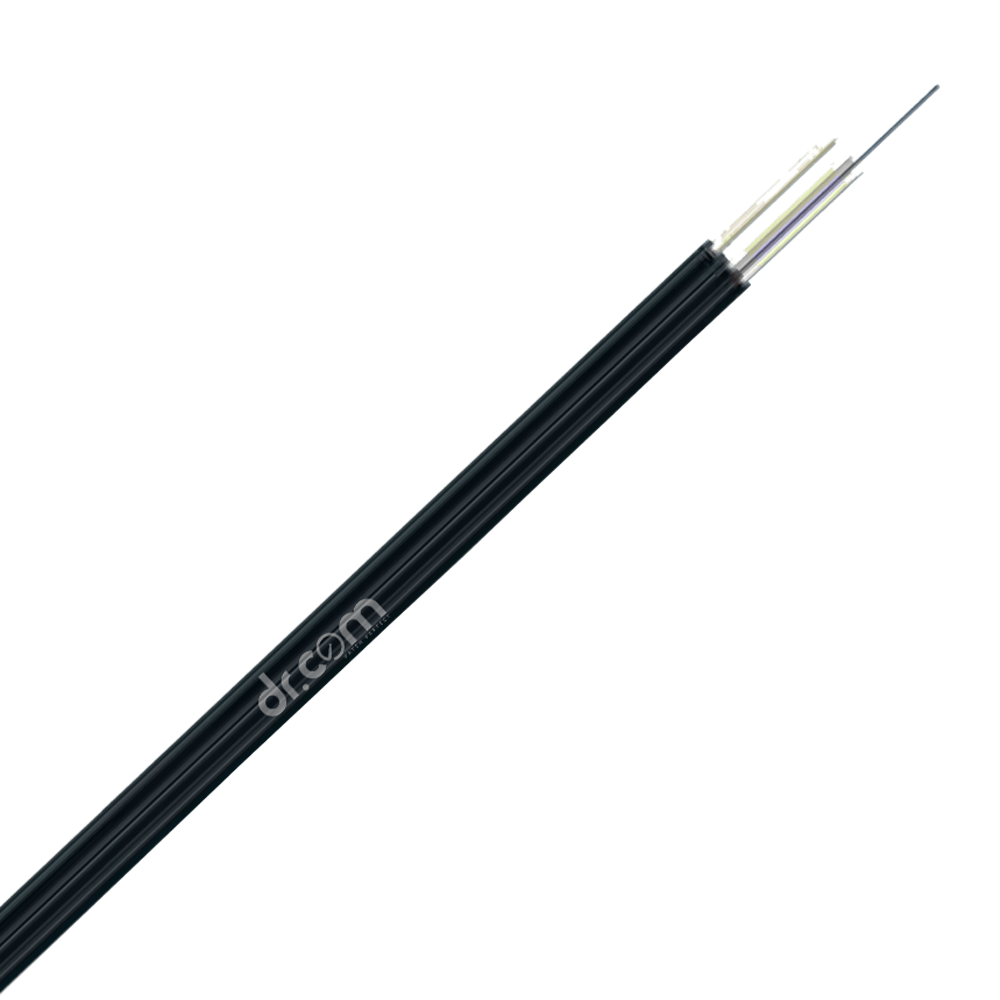 FTTH Cables
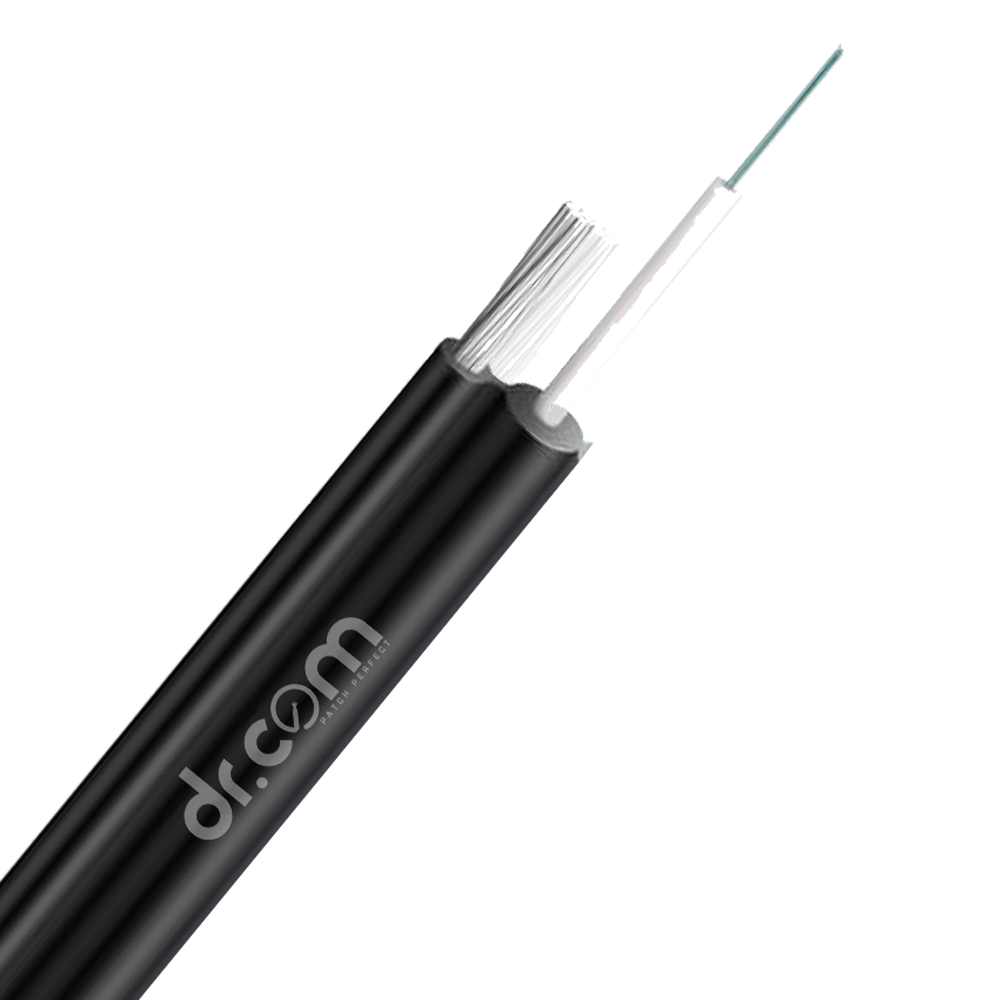 Figure-8 Cables
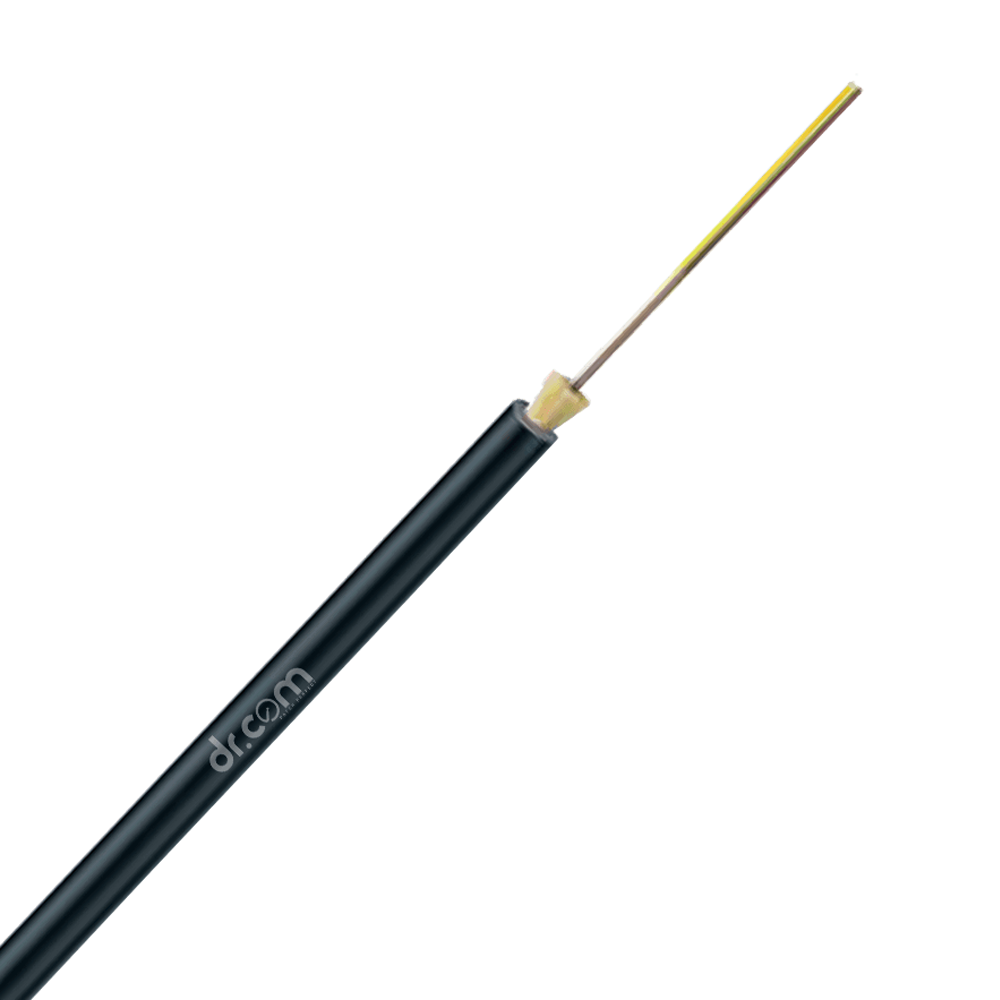 Micro Duct Cables
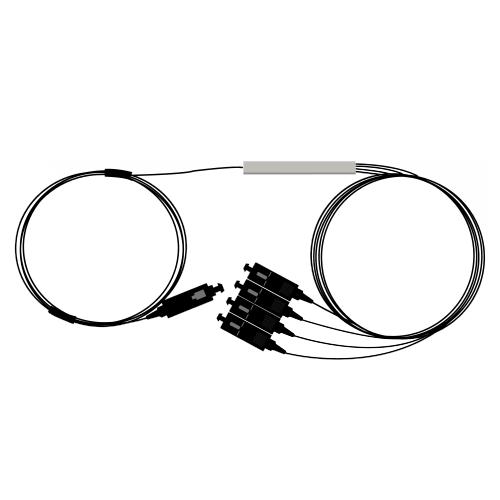 Splitters & Couplers
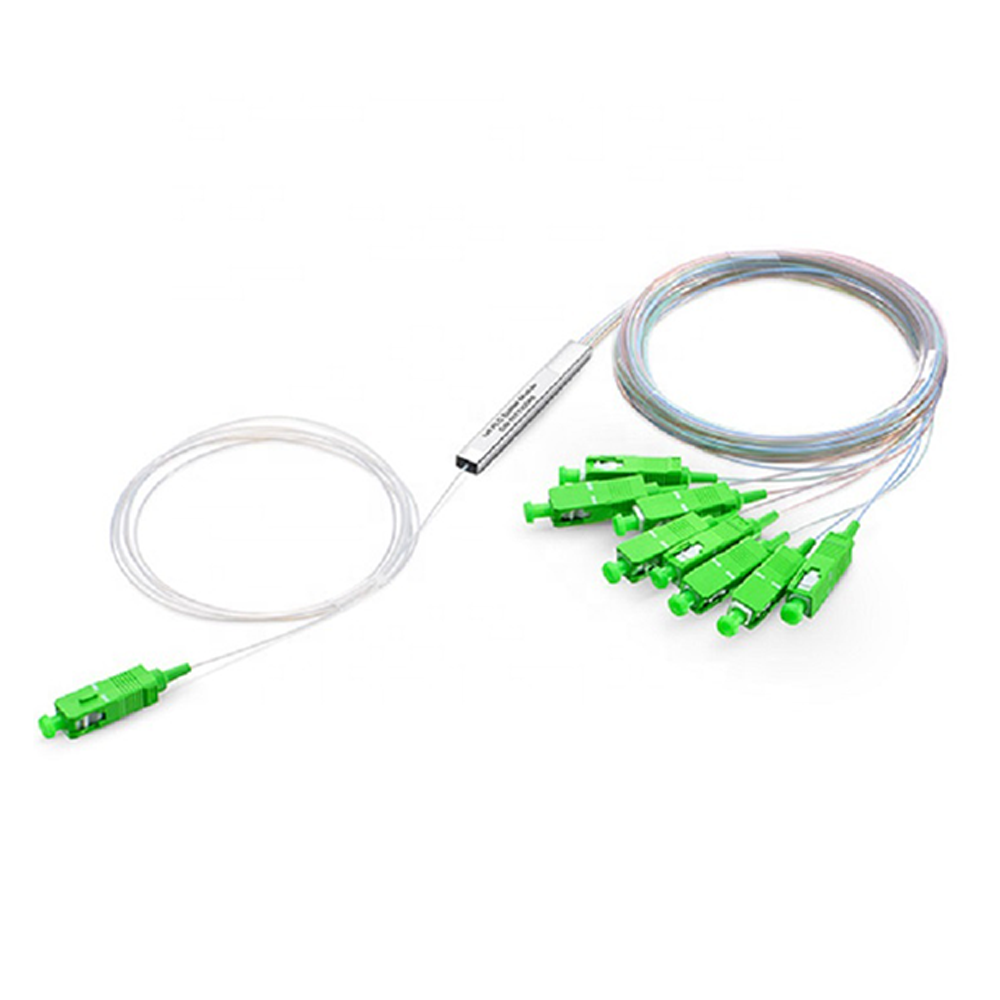 PLC Splitter with Connector
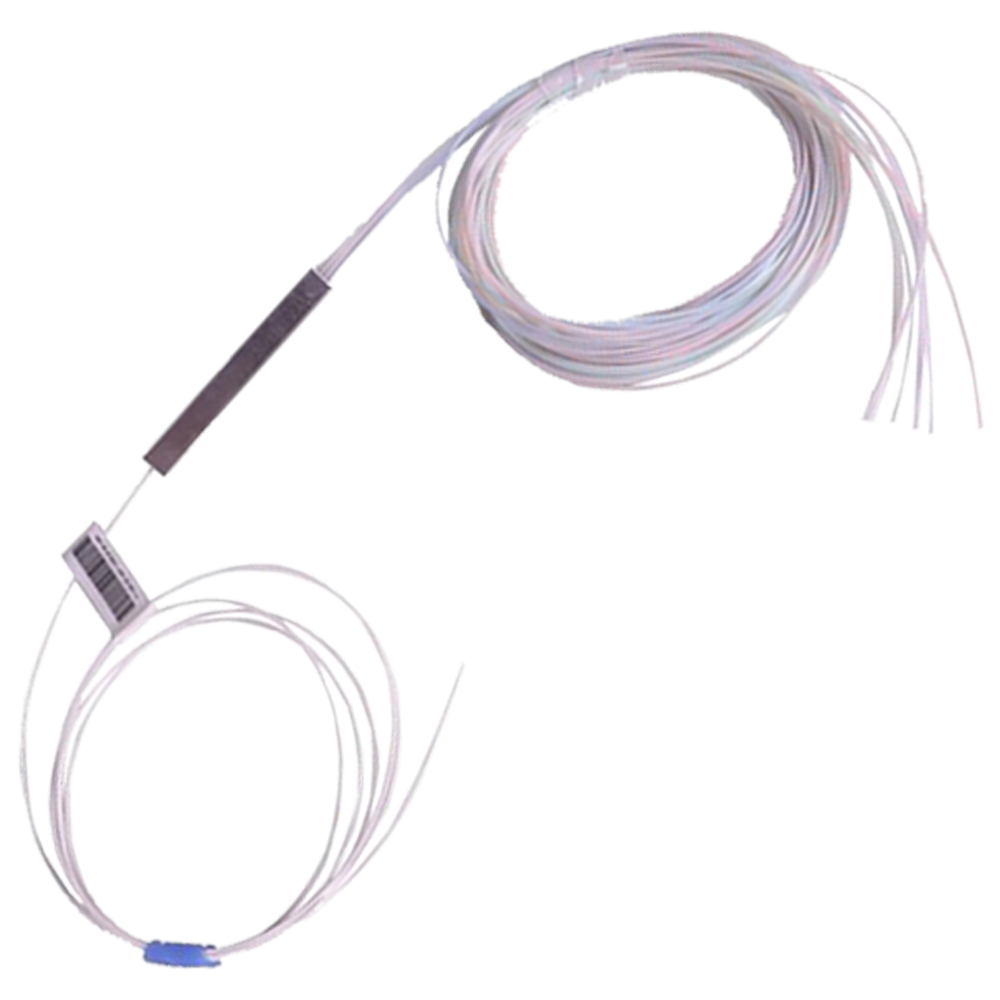 PLC Splitter without Connector
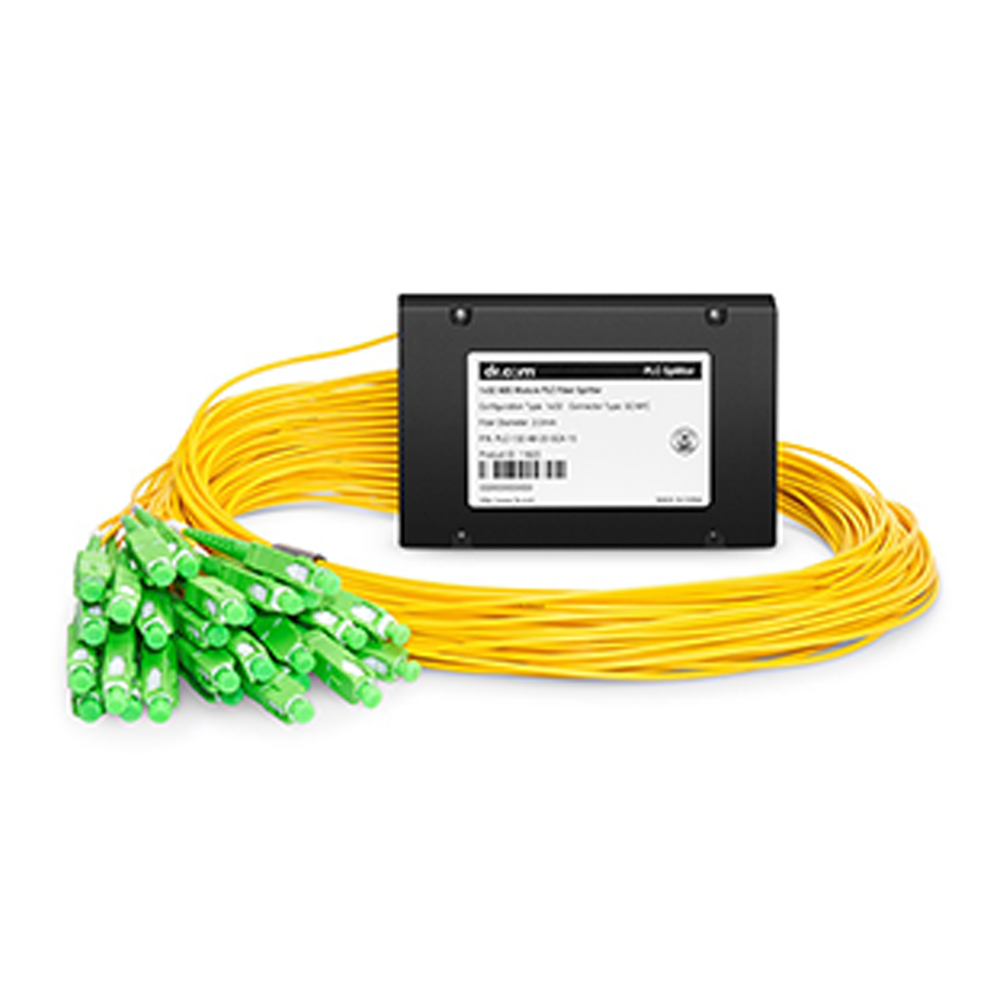 PLC Splitter ABS Type
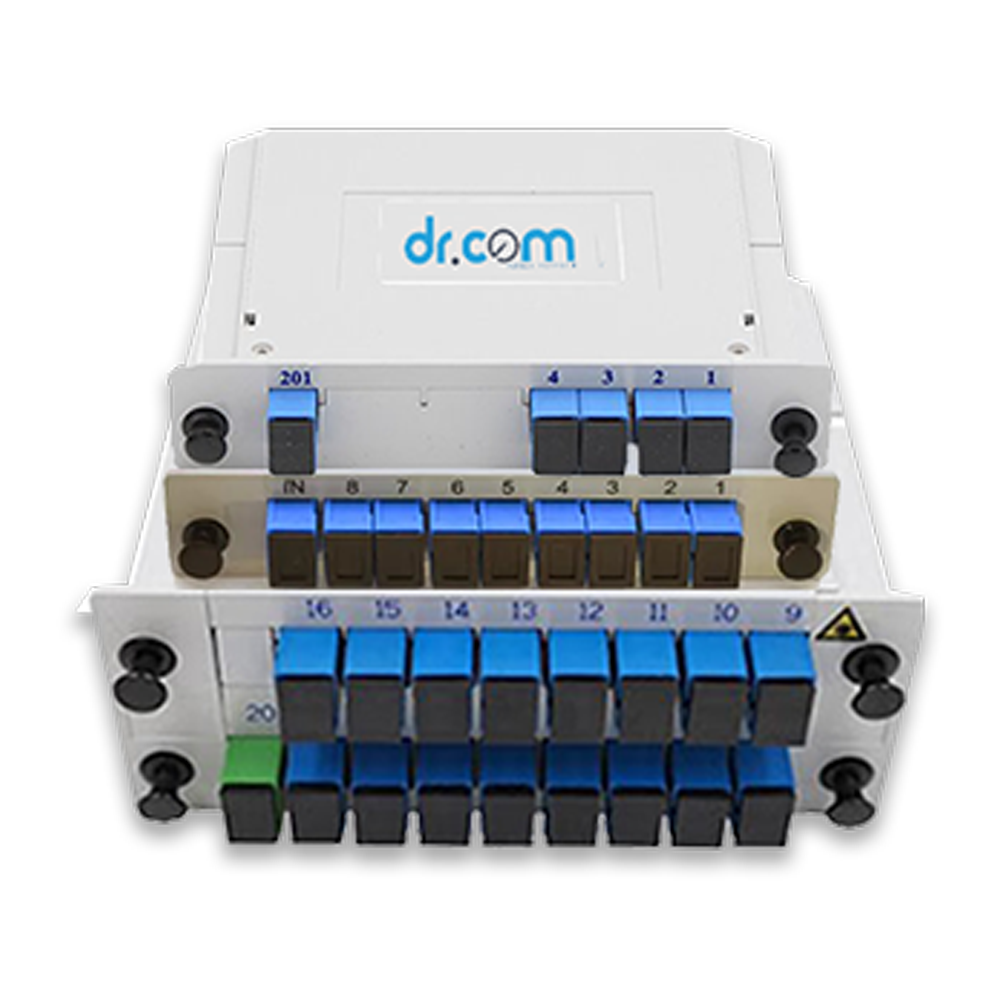 PLC Splitter PLC (Cassette) SC/UPC
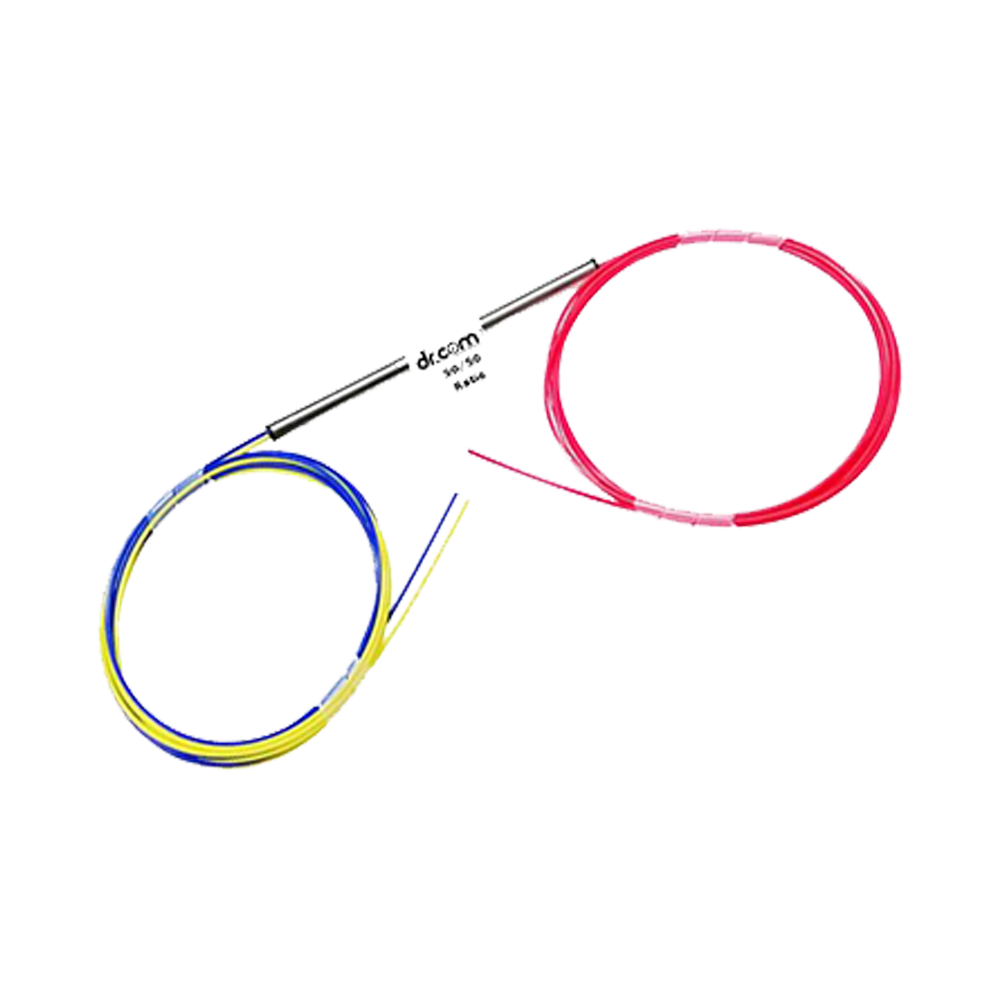 Ratio Coupler
 FTTH Patch Cords
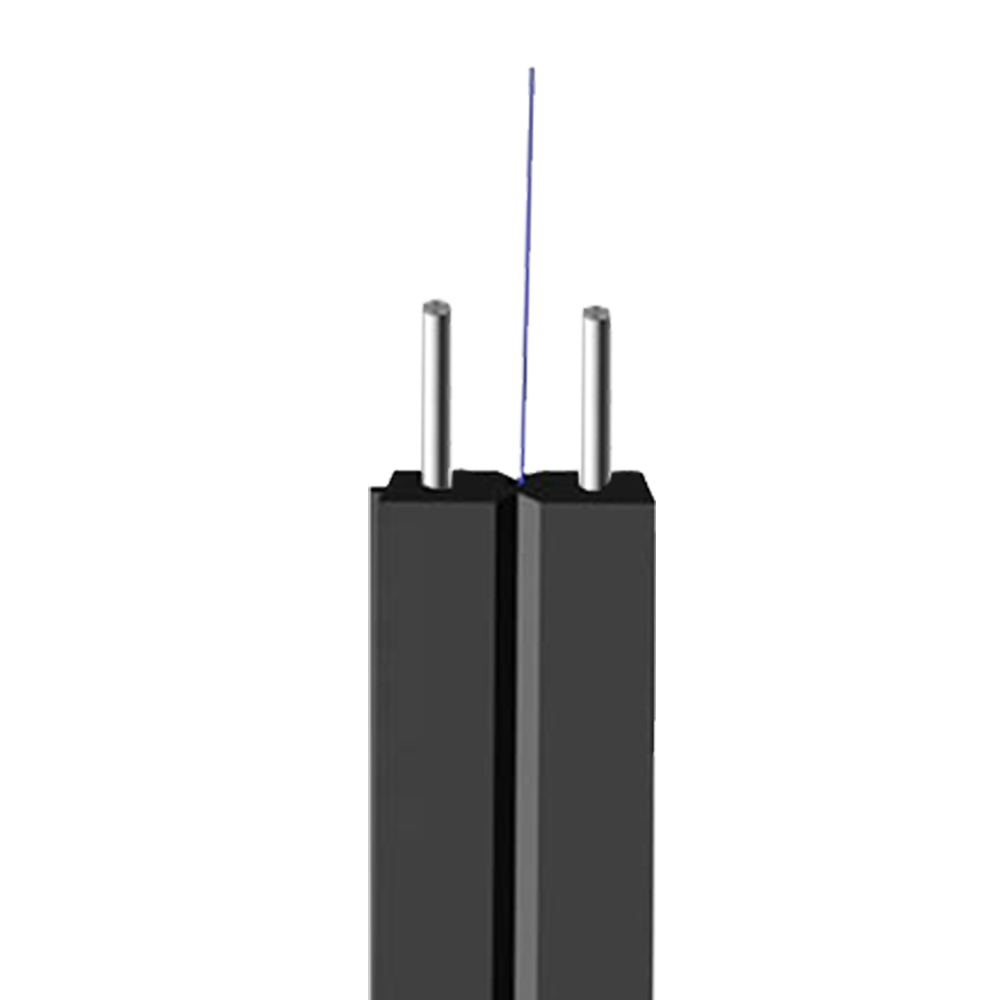 1F - 2 Steel +1 Support Steel Wire
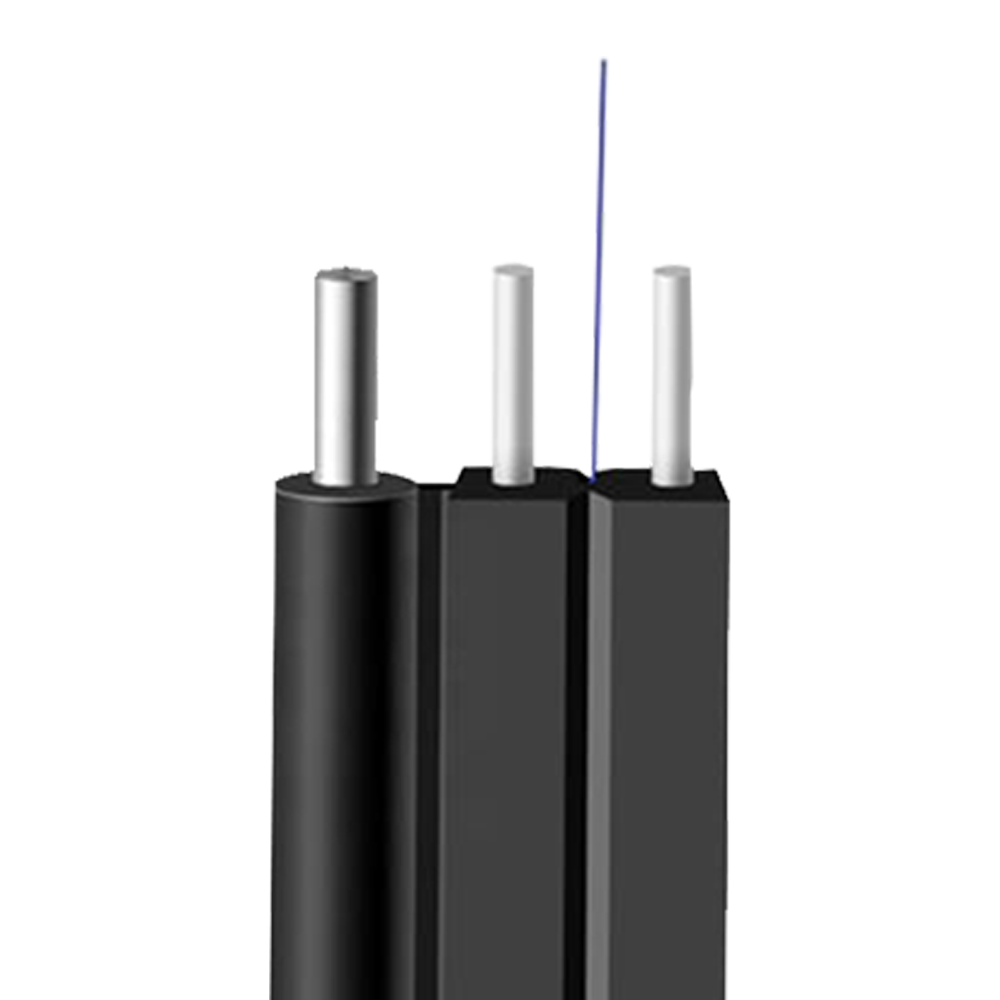 1F - 2-FRP - 1 Support Steel Wire
 Optical Patch Cords
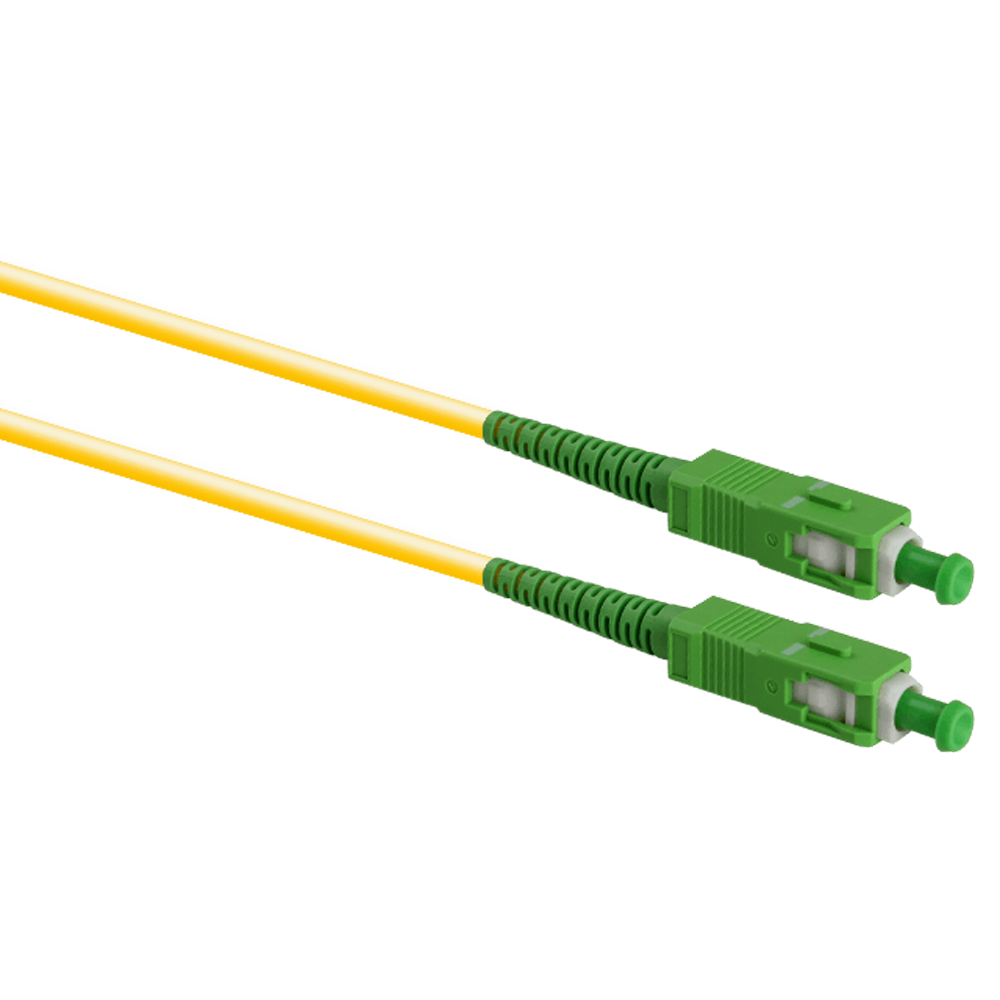 SC/APC - SC/APC
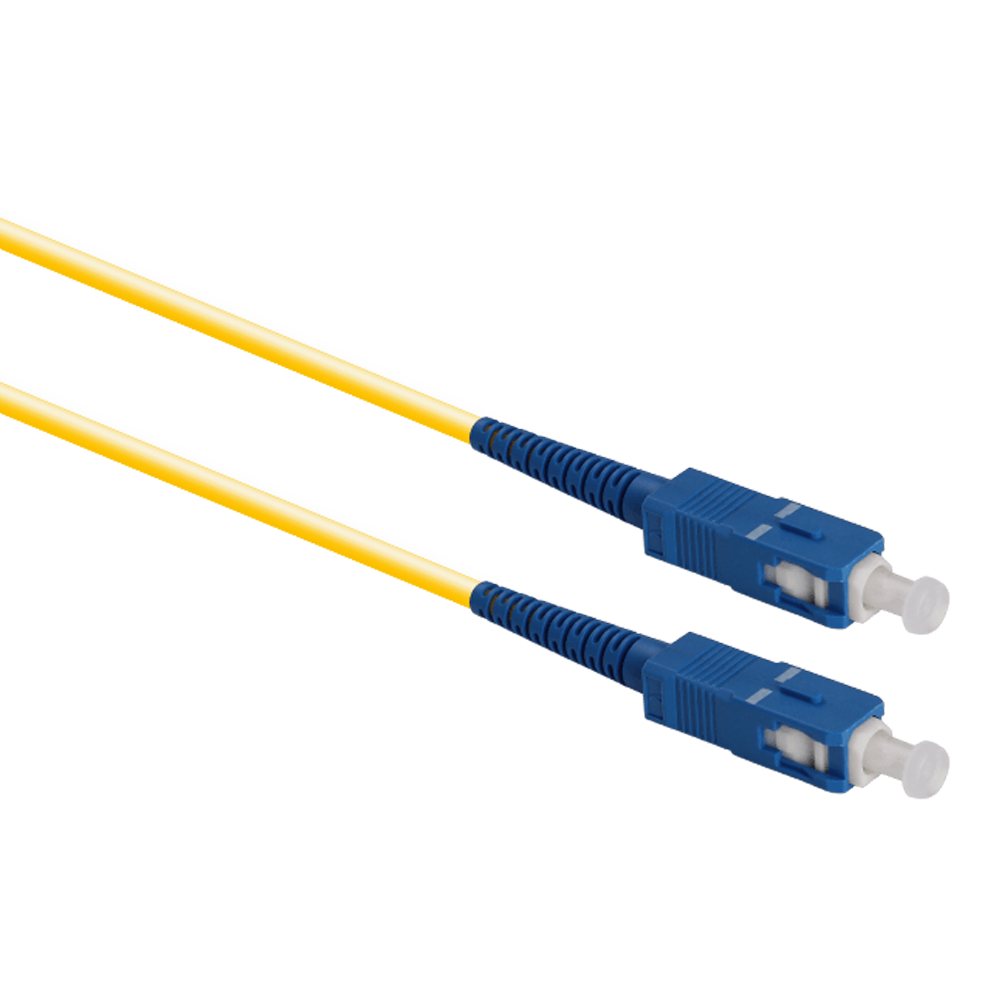 SC/UPC - SC/UPC
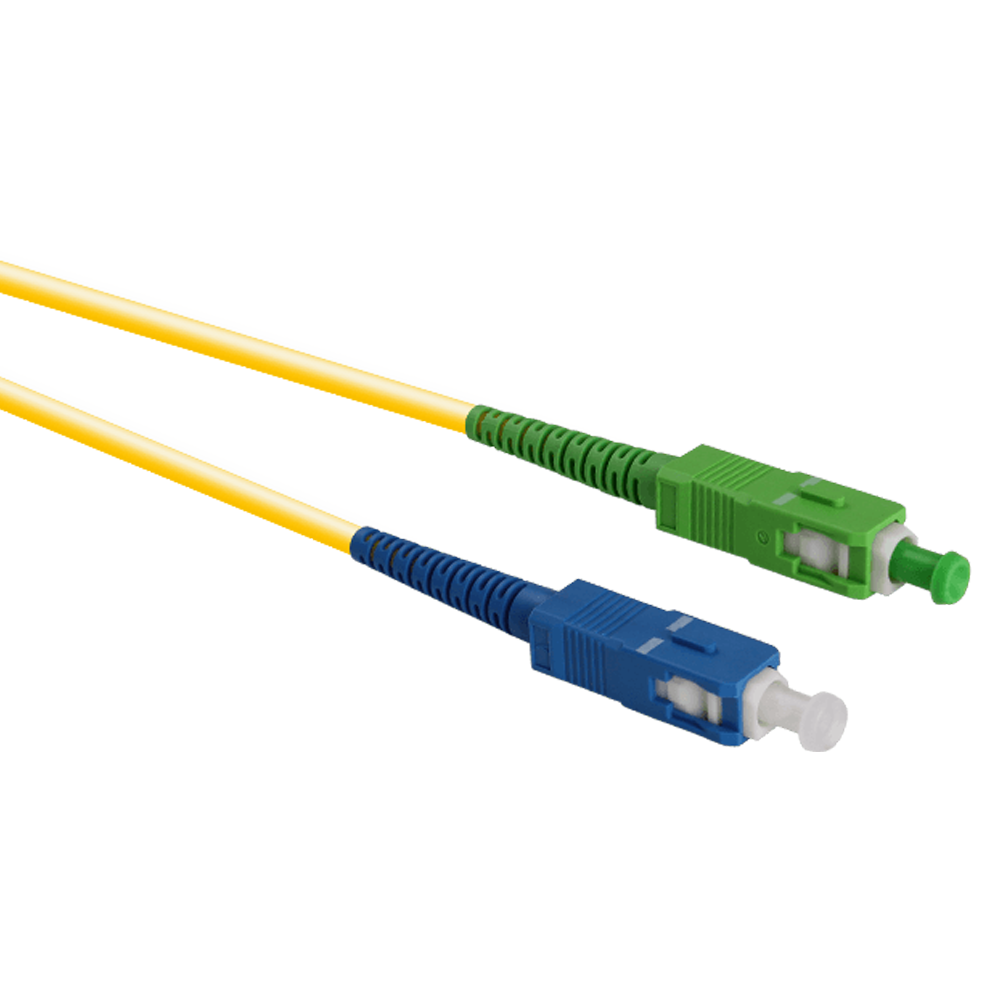 SC/APC - SC/UPC
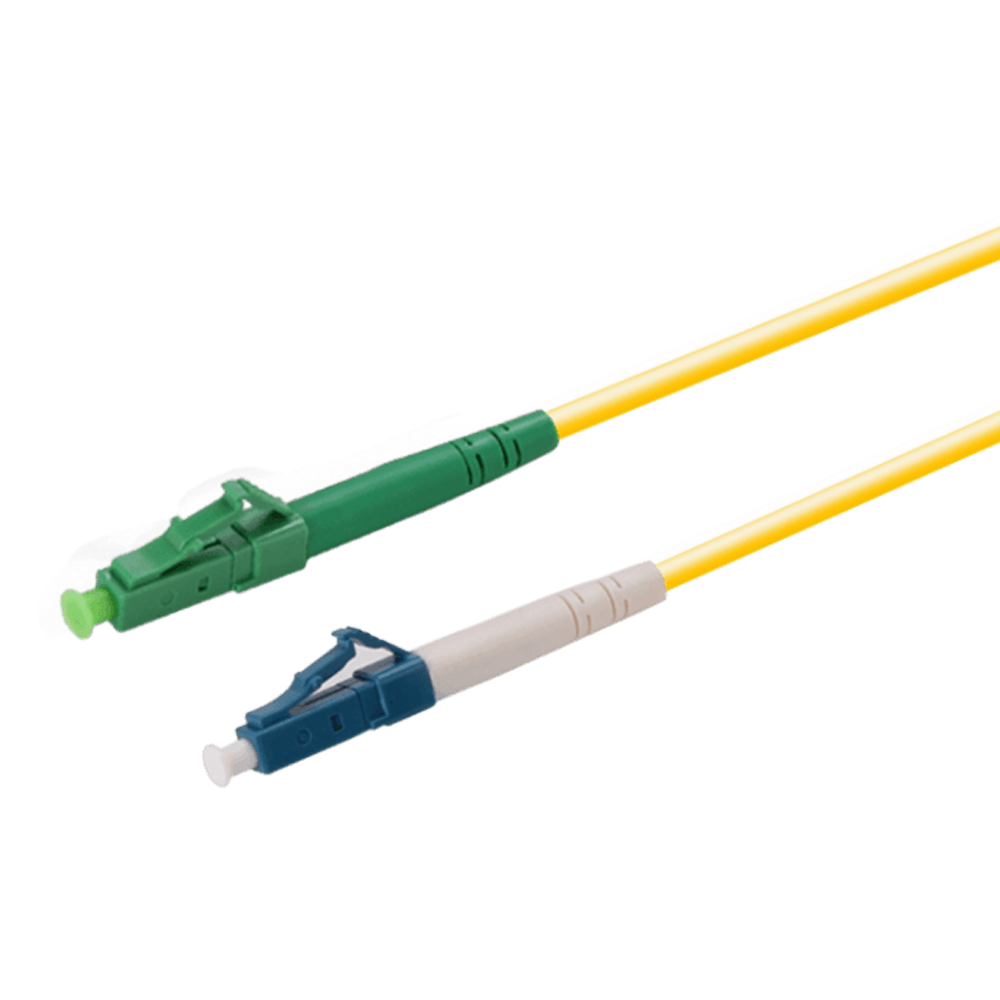 LC/APC - LC/APC
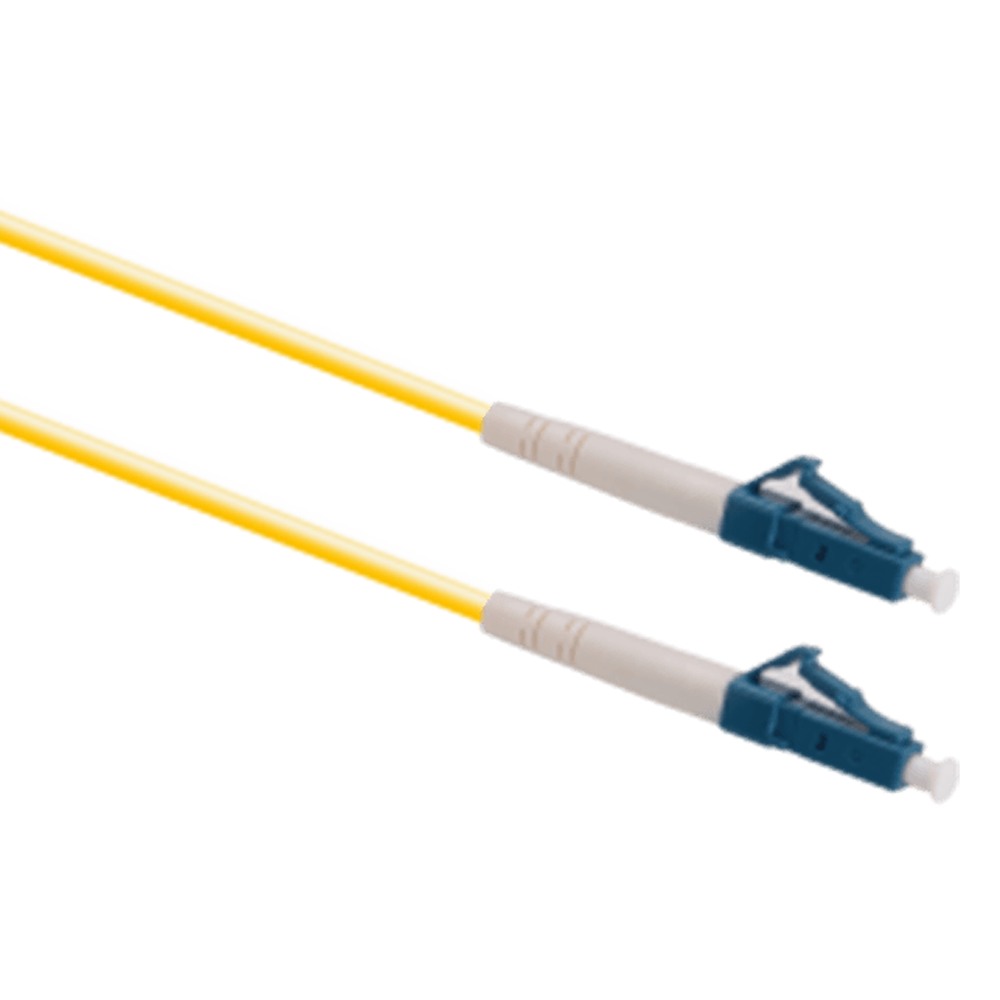 LC/UPC - LC/UPC
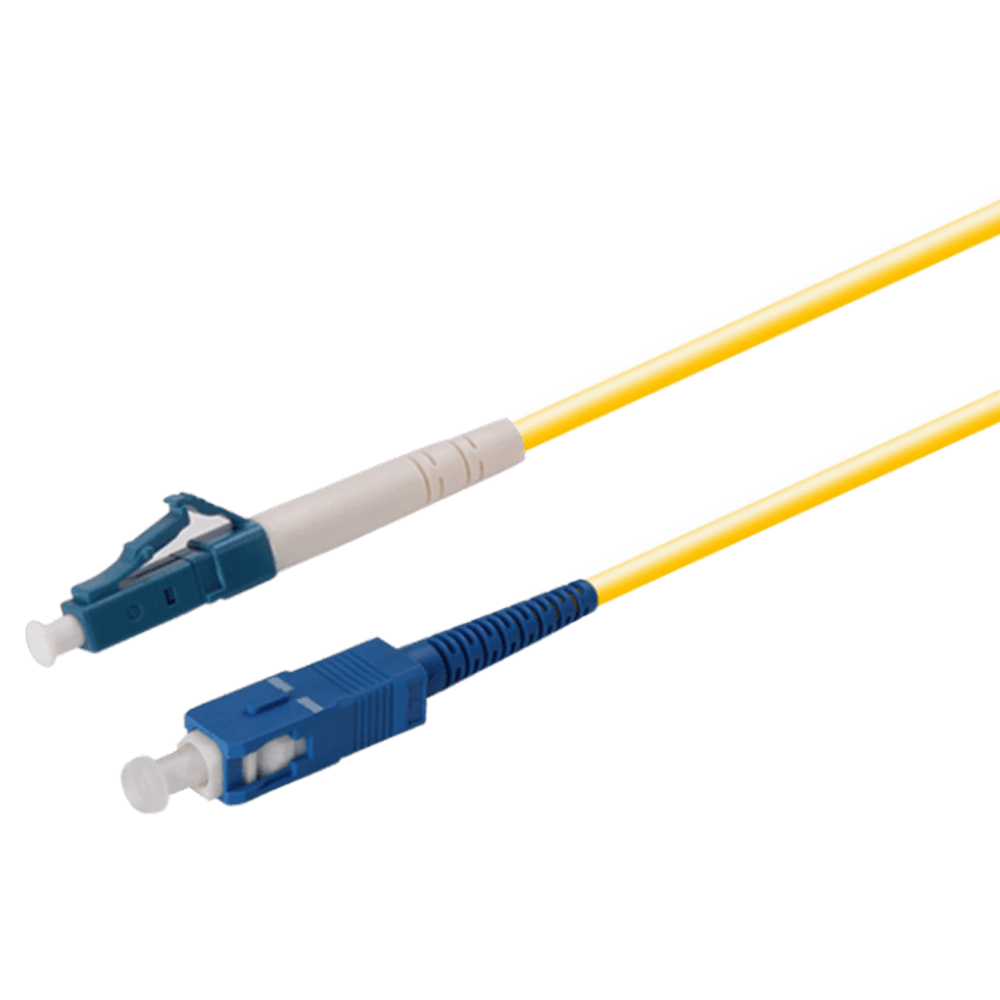 LC/UPC - SC/UPC
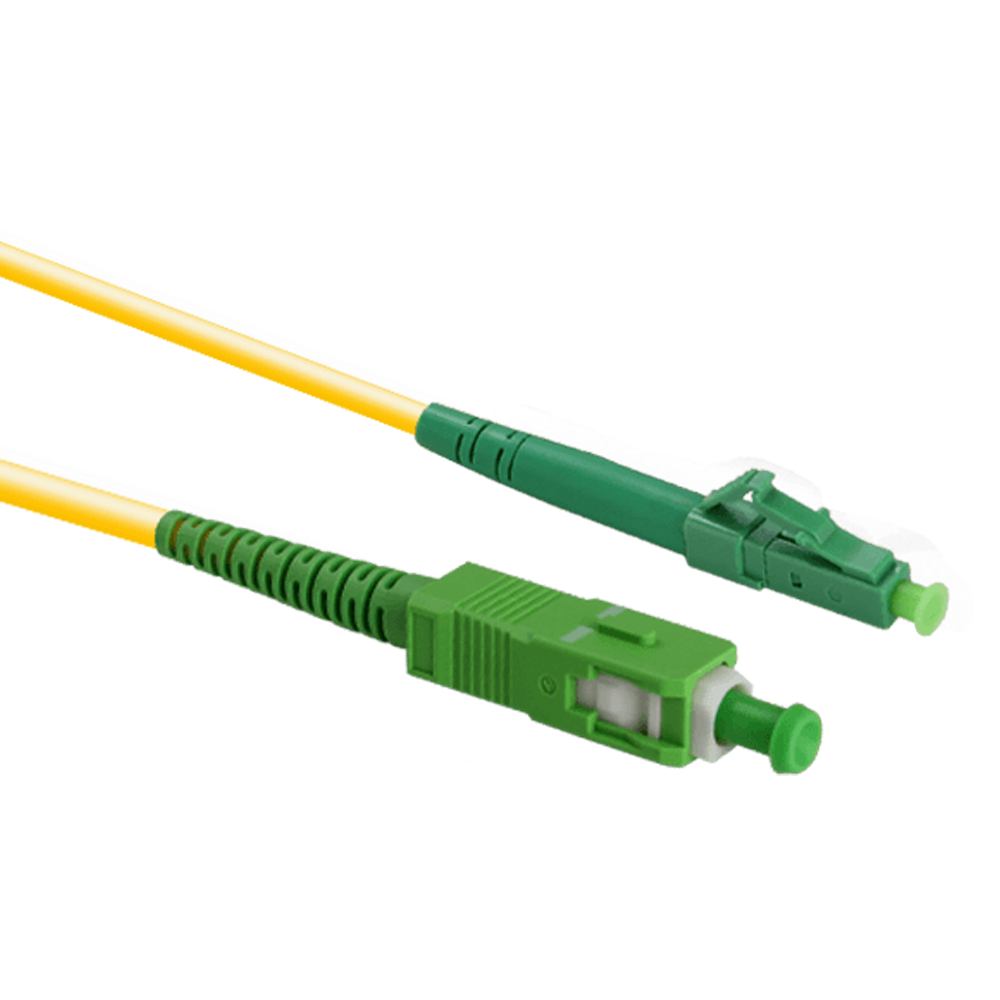 LC/APC - SC/APC
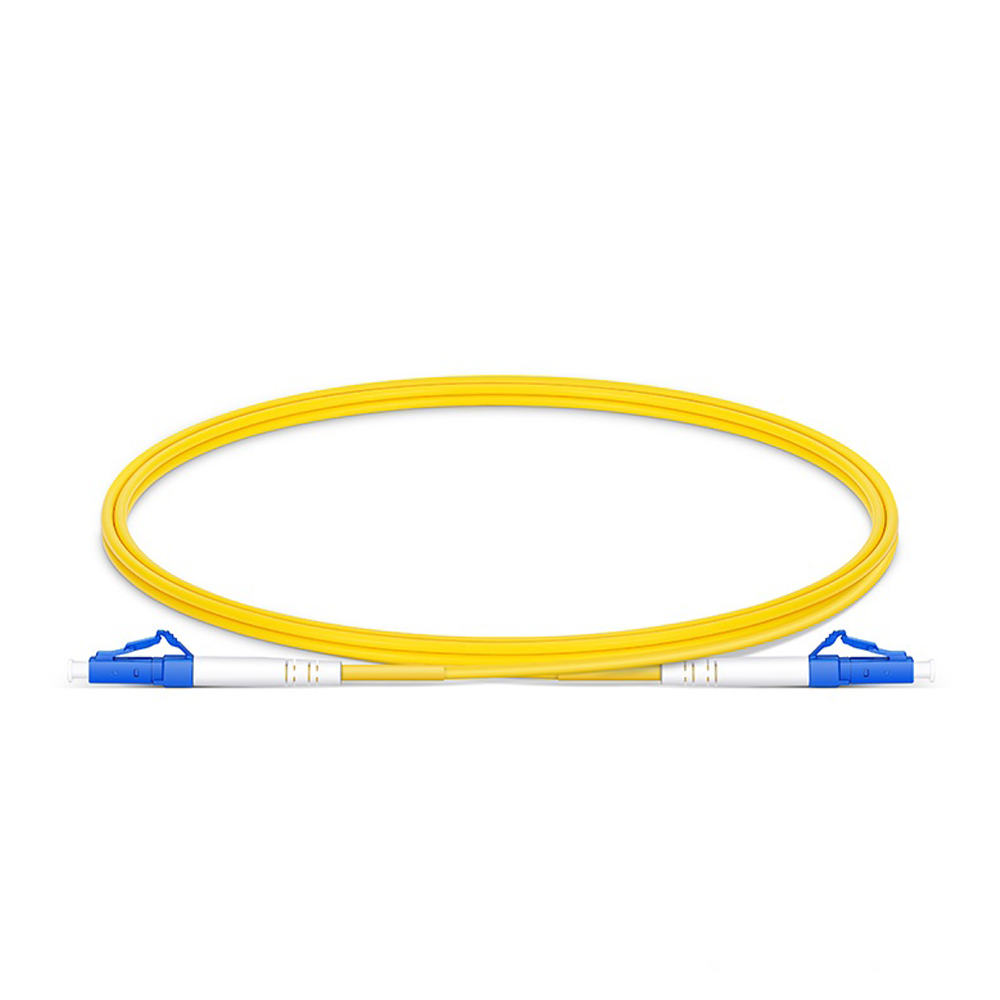 Simplex Single Mode
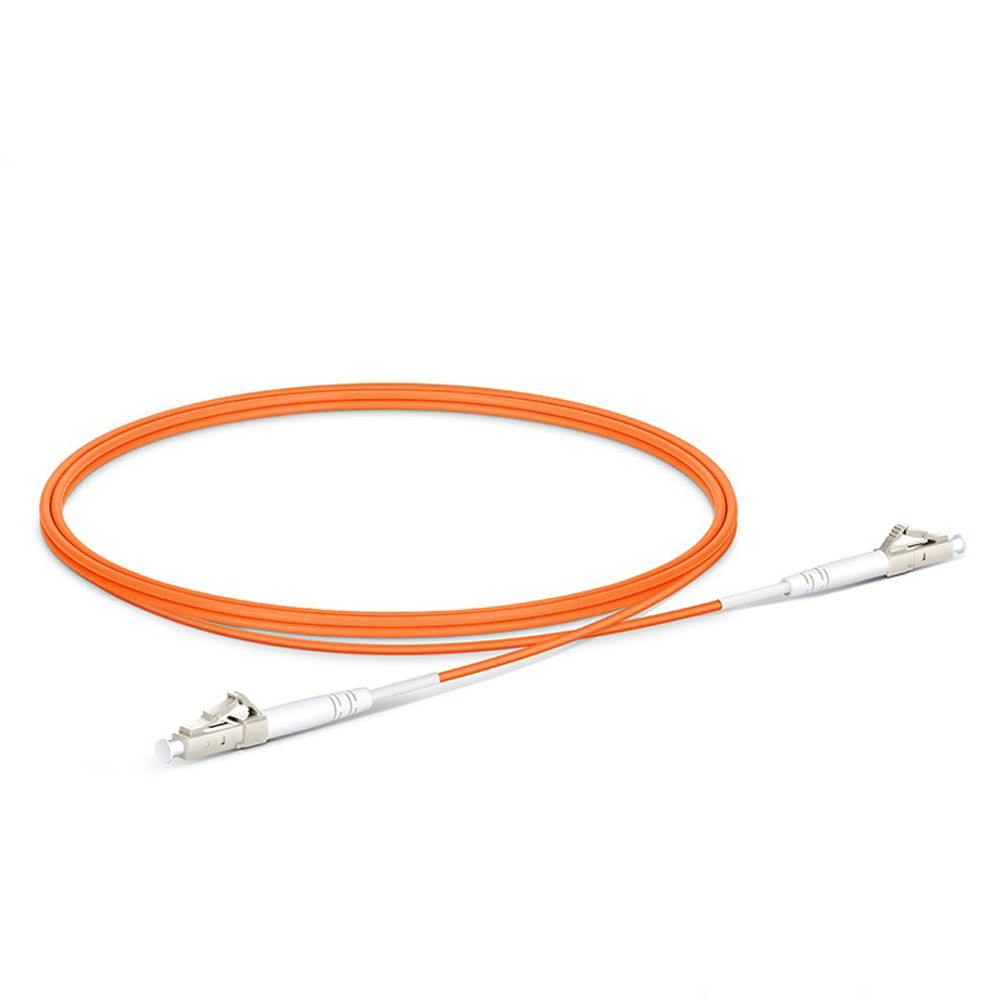 Simplex Multi-Mode
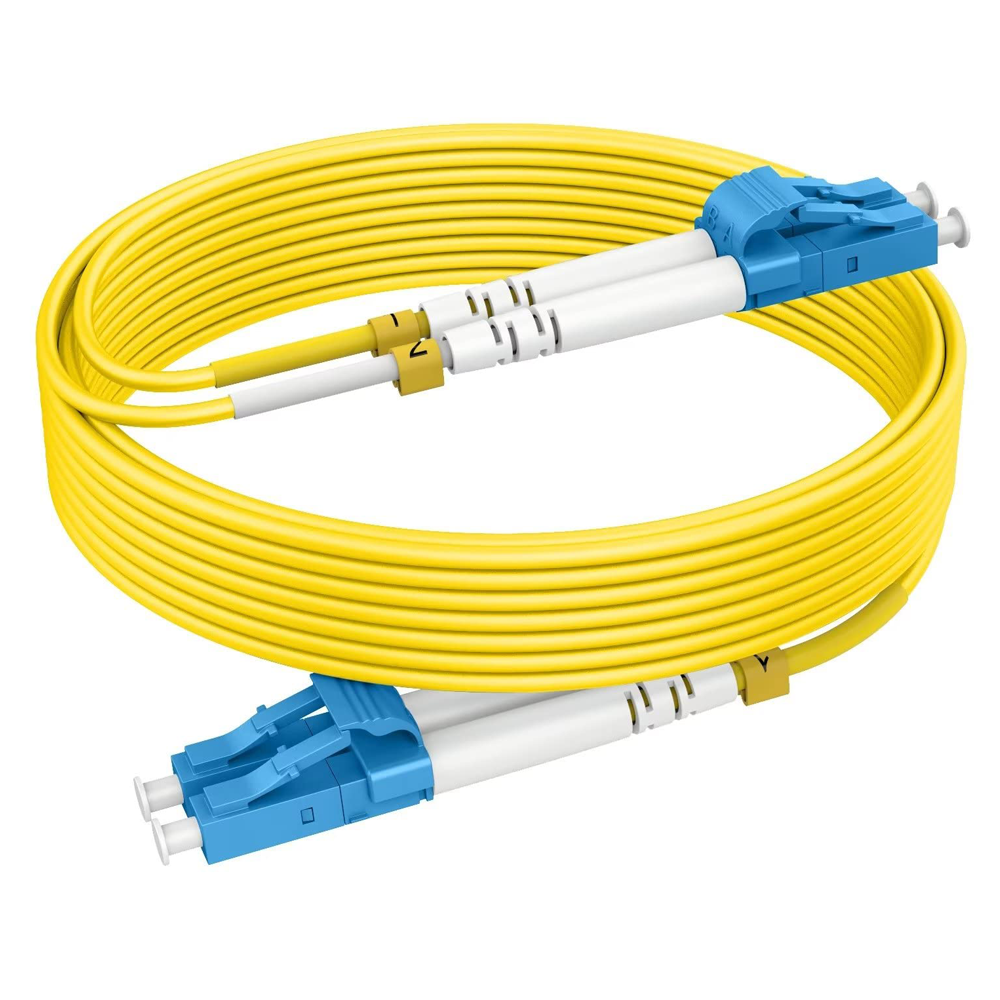 Duplex Single Mode
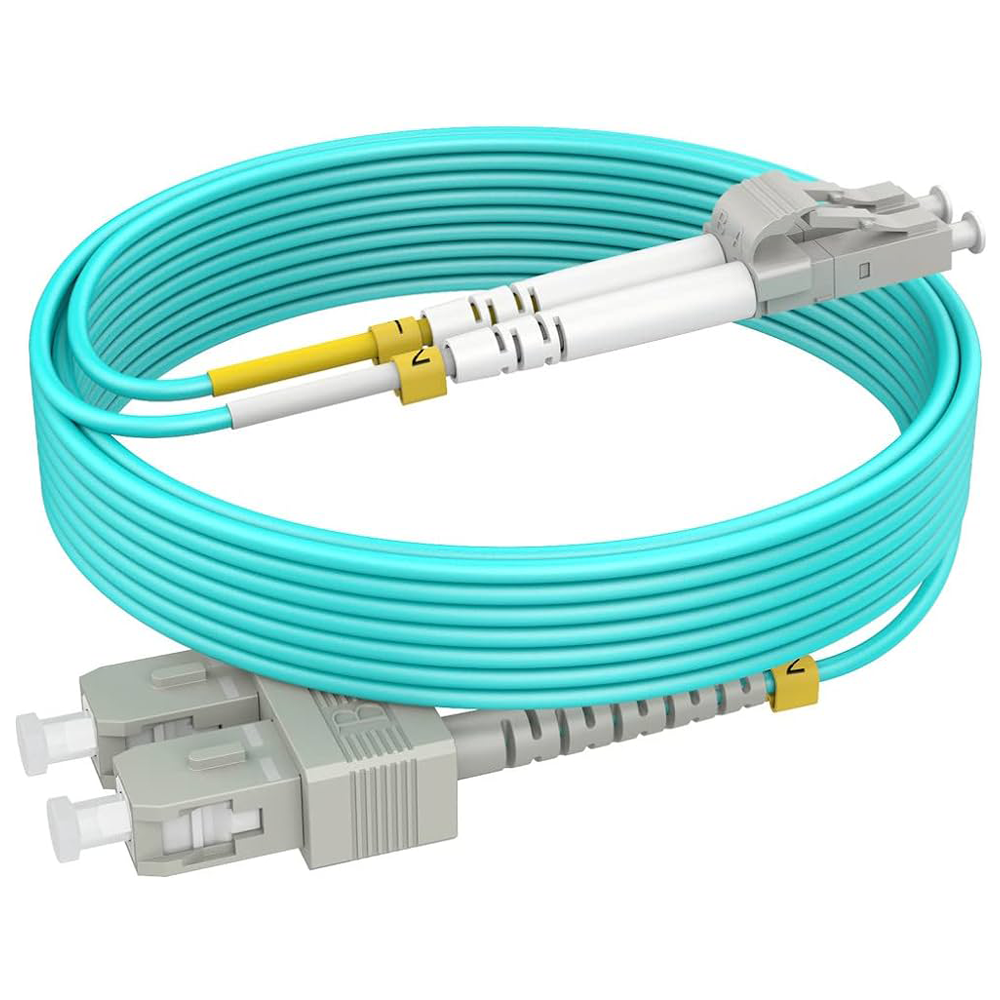 Duplex Multi-Mode
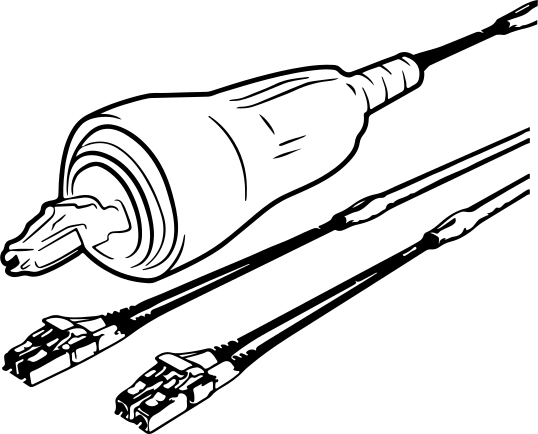 CPRI
CPRI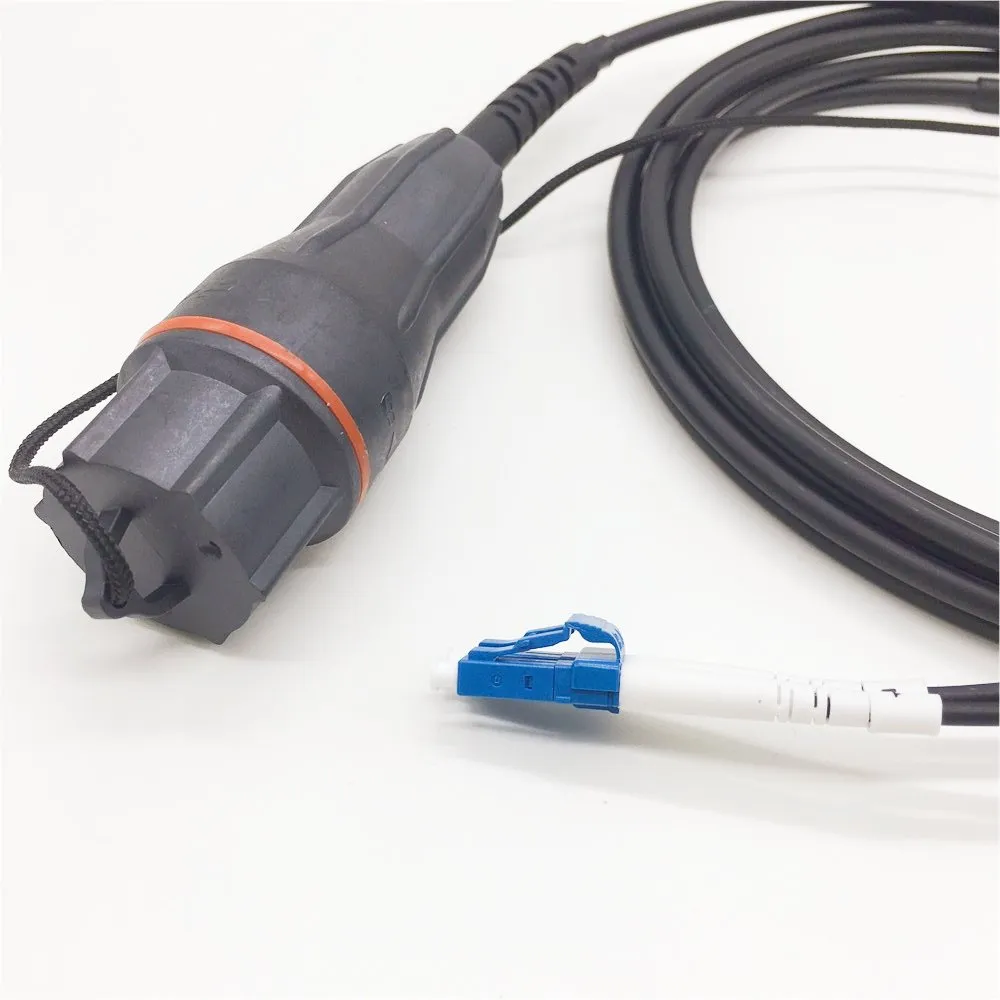 Fullaxs DLC Ericsson
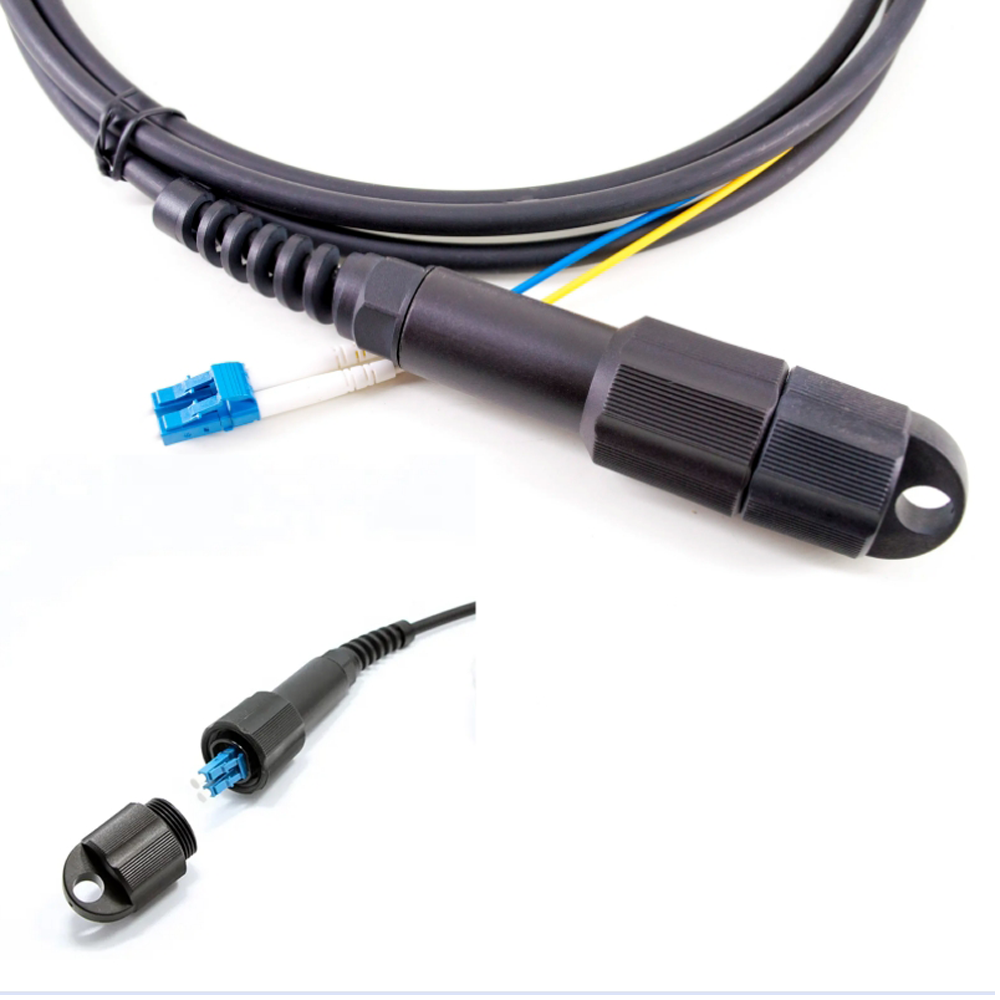 PDLC DLC
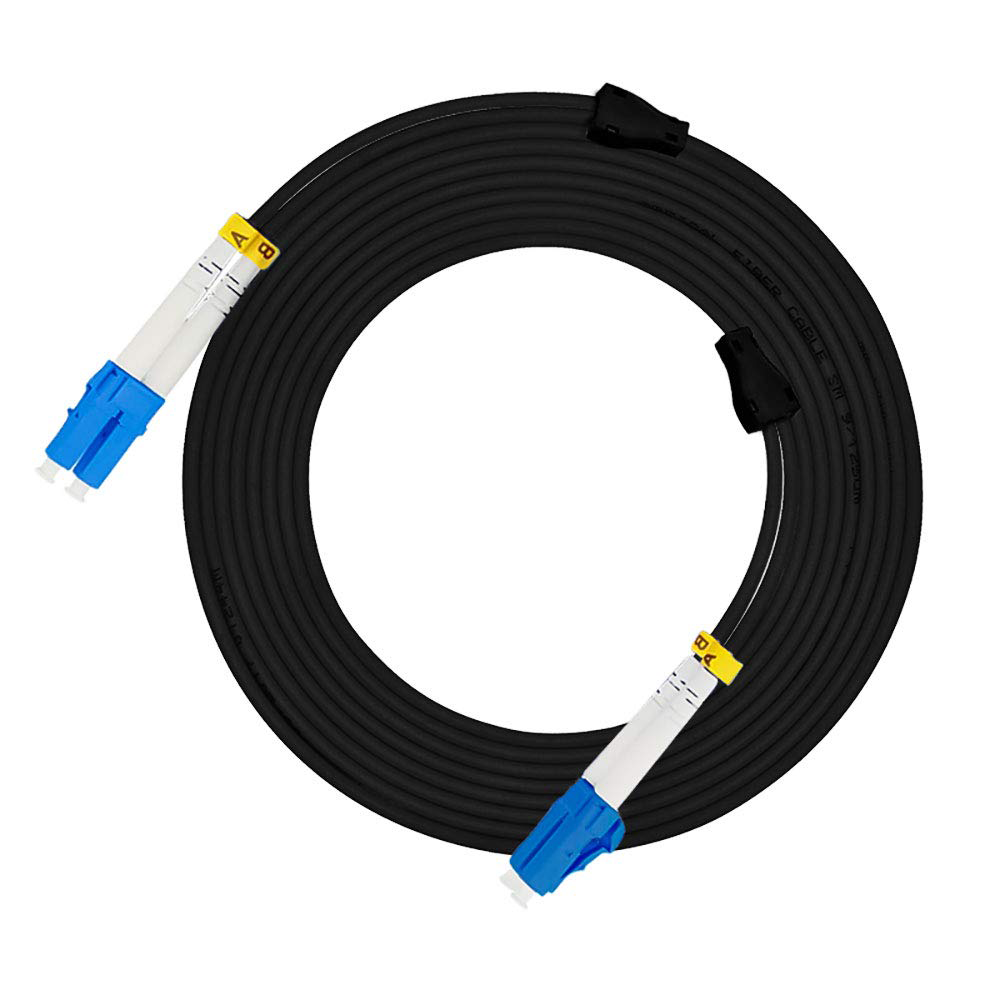 Spiral Fanout
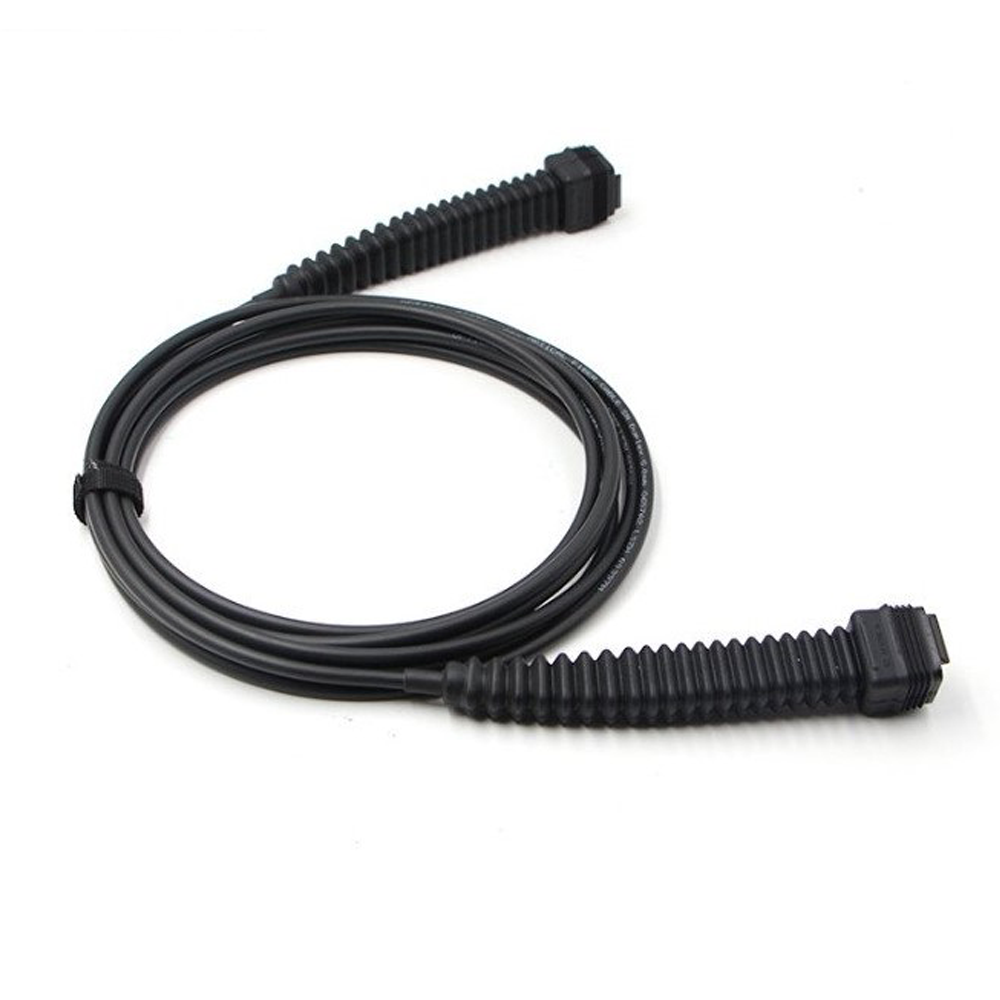 NSN Boot NOKIA
 MPO
MPO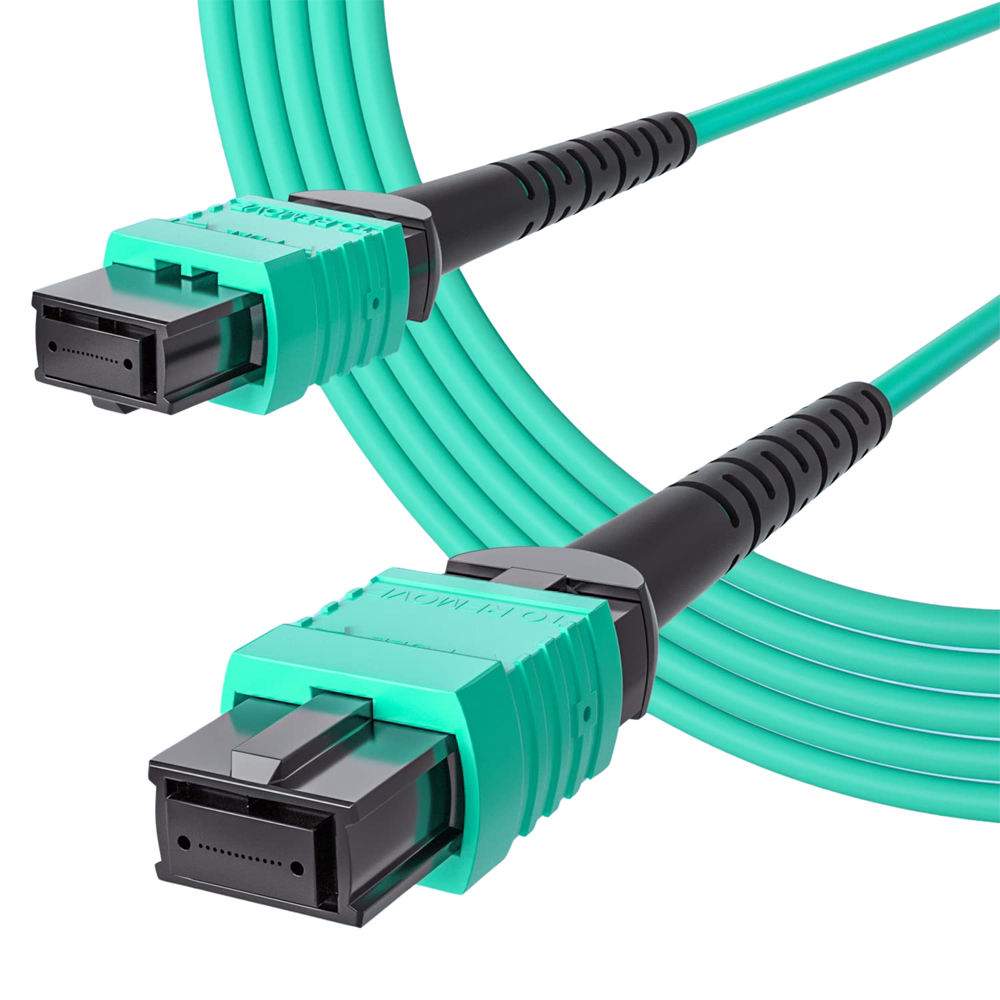 MPO Cables
 Copper
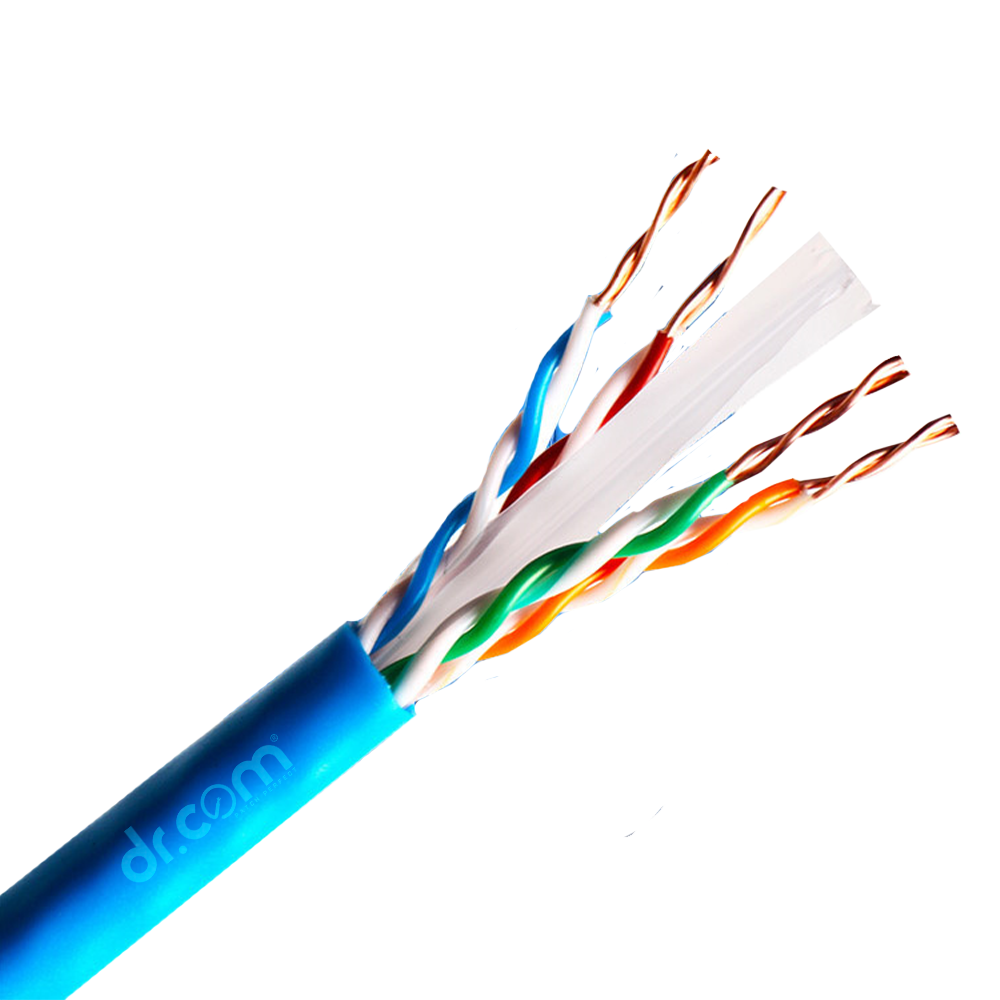 UTP 24 AWG PE Outdoor Cable (0.50mm)
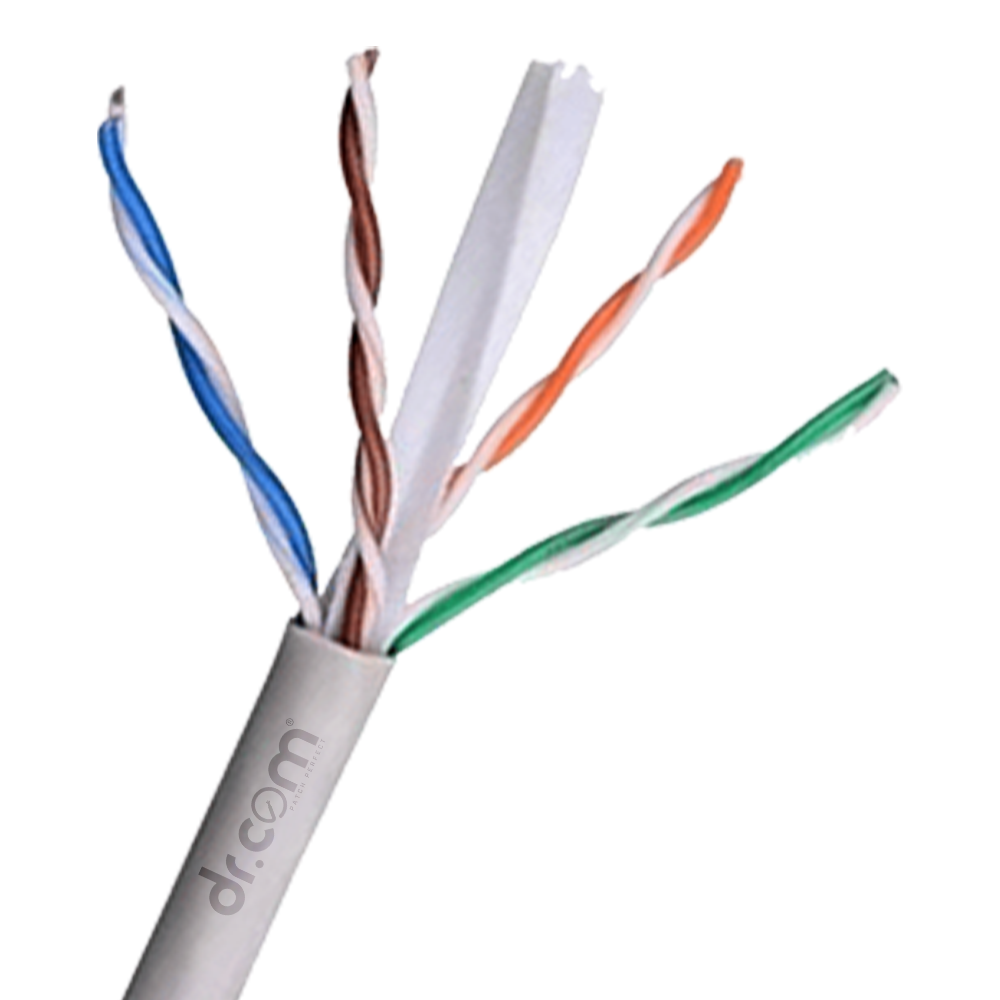 Copper (0.55mm) - UTP
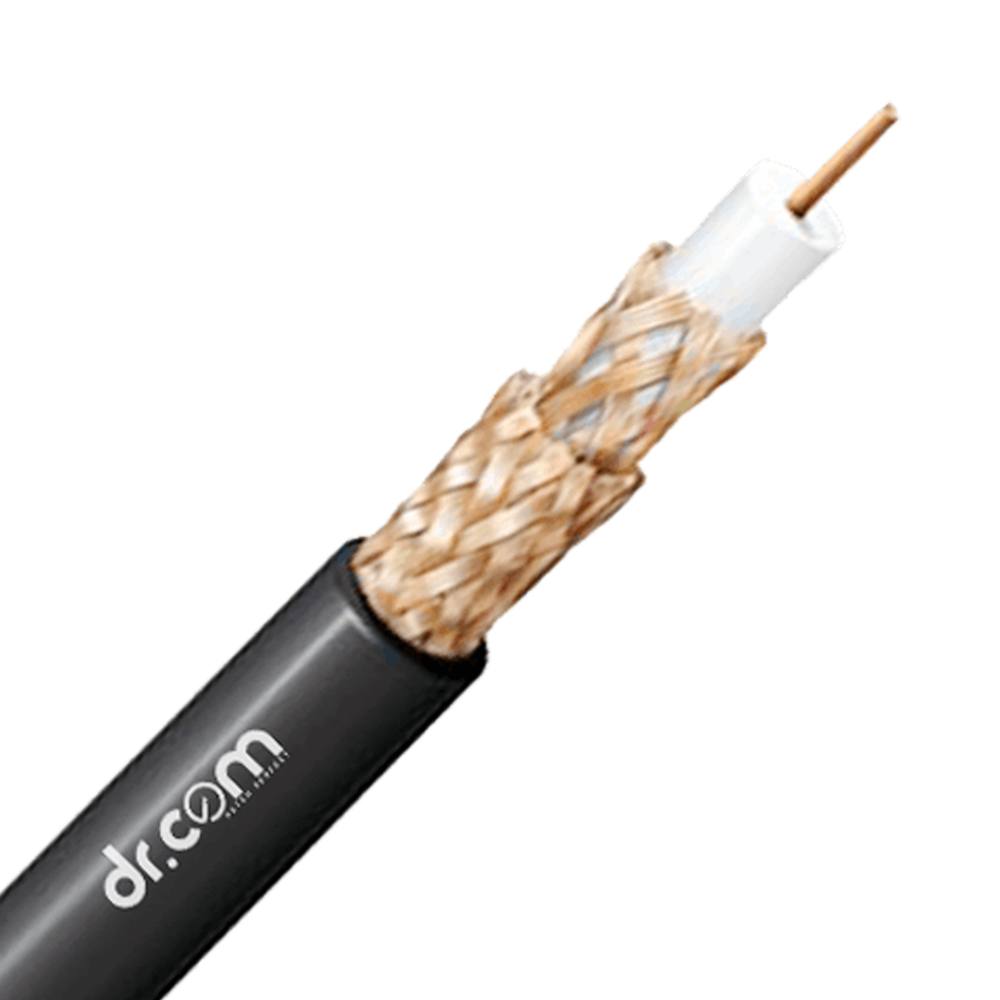 RG-6
RG-6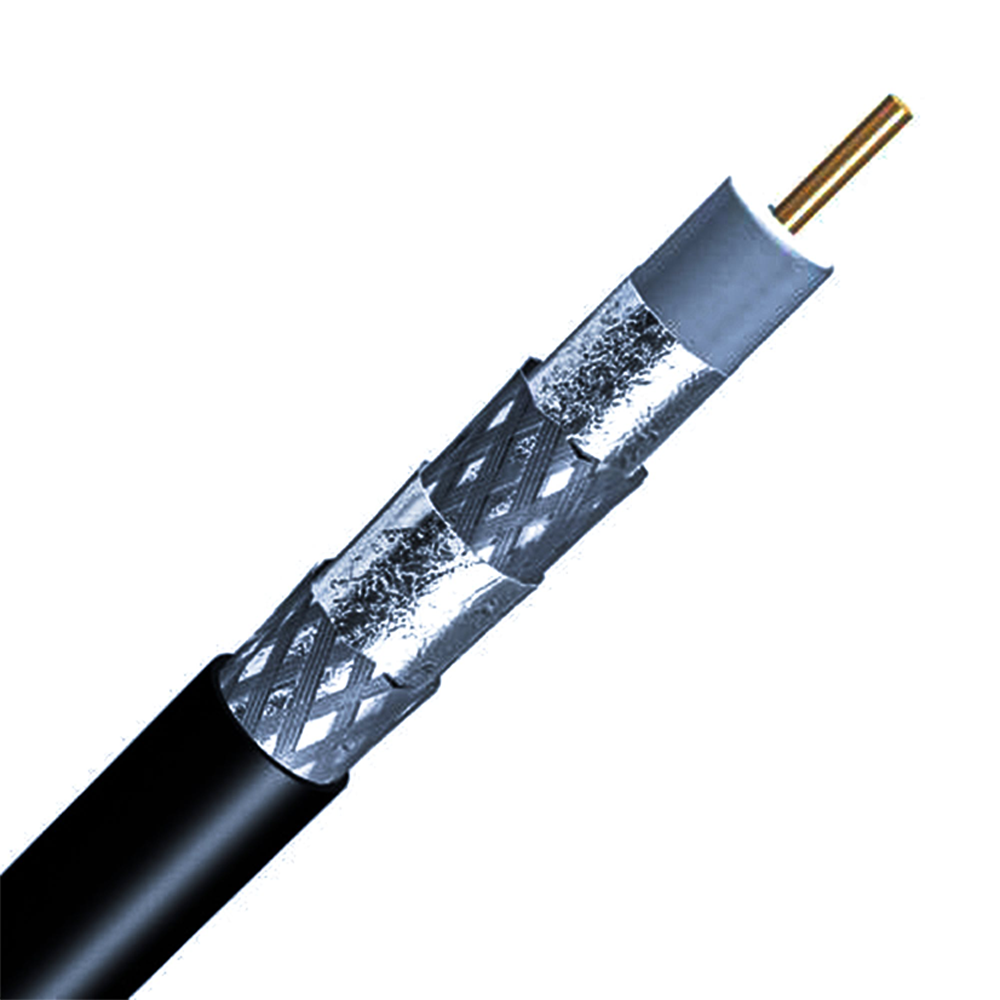 RG-11
RG-11 Active
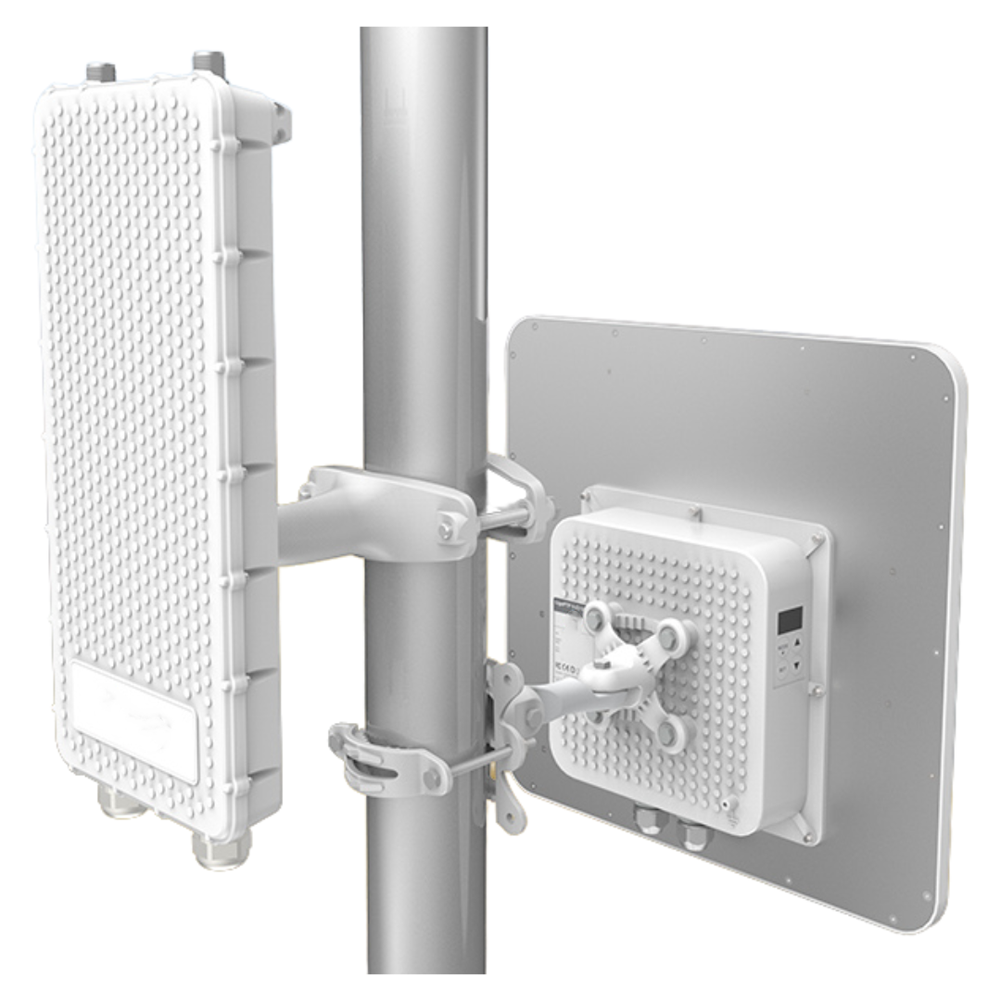 Access Point
 POE Switches
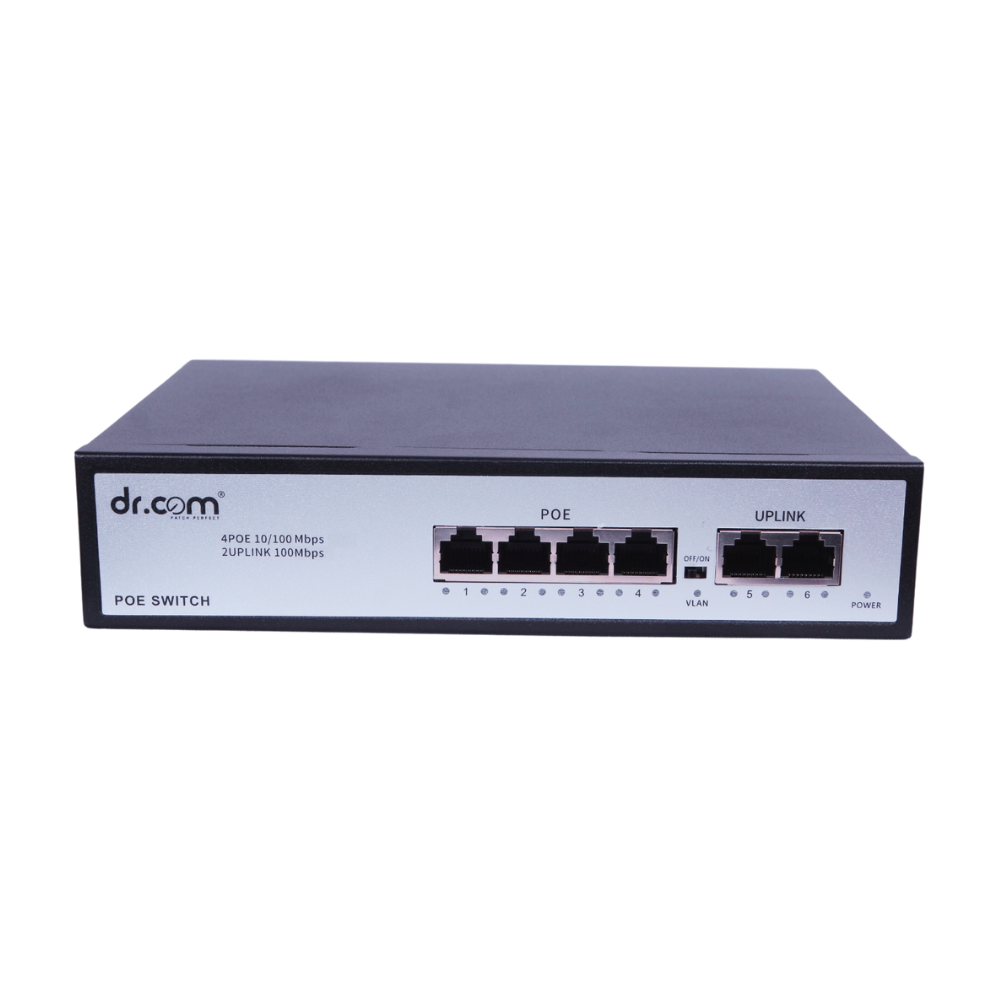 4-Port 65W
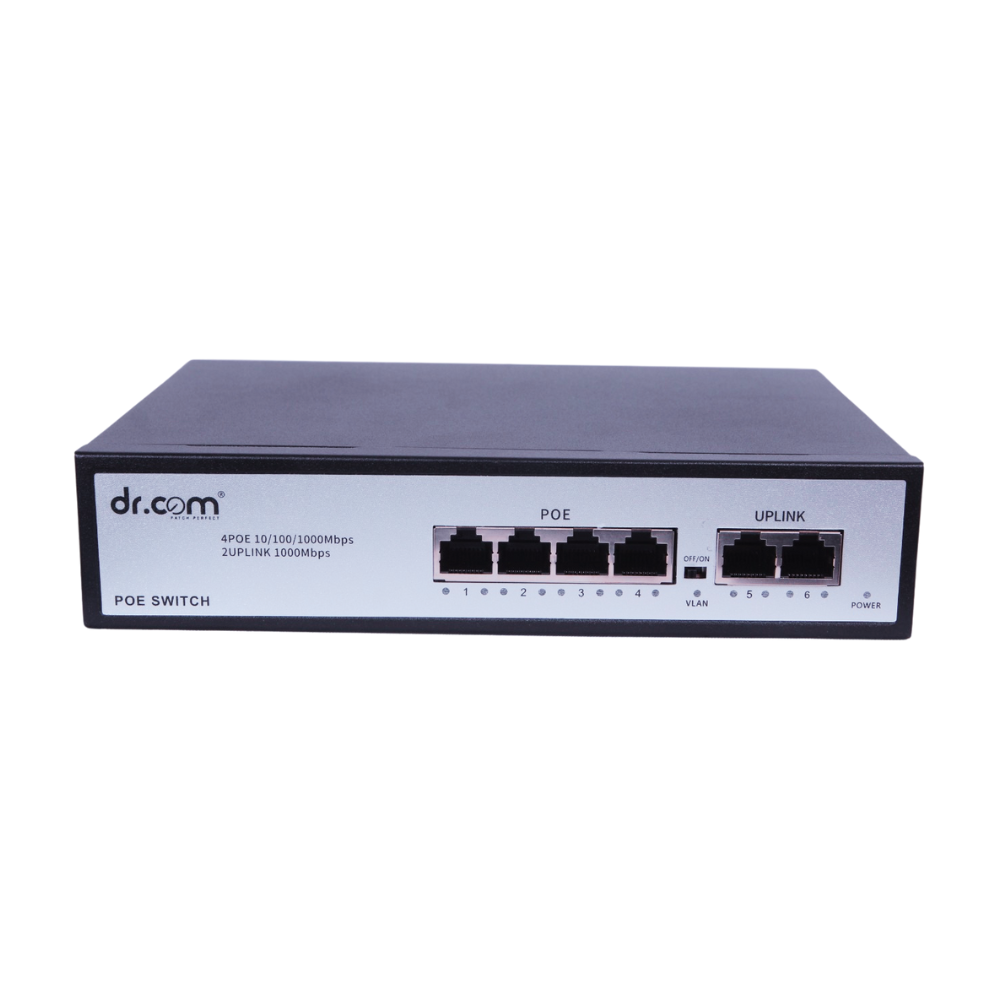
 8-Port 120W
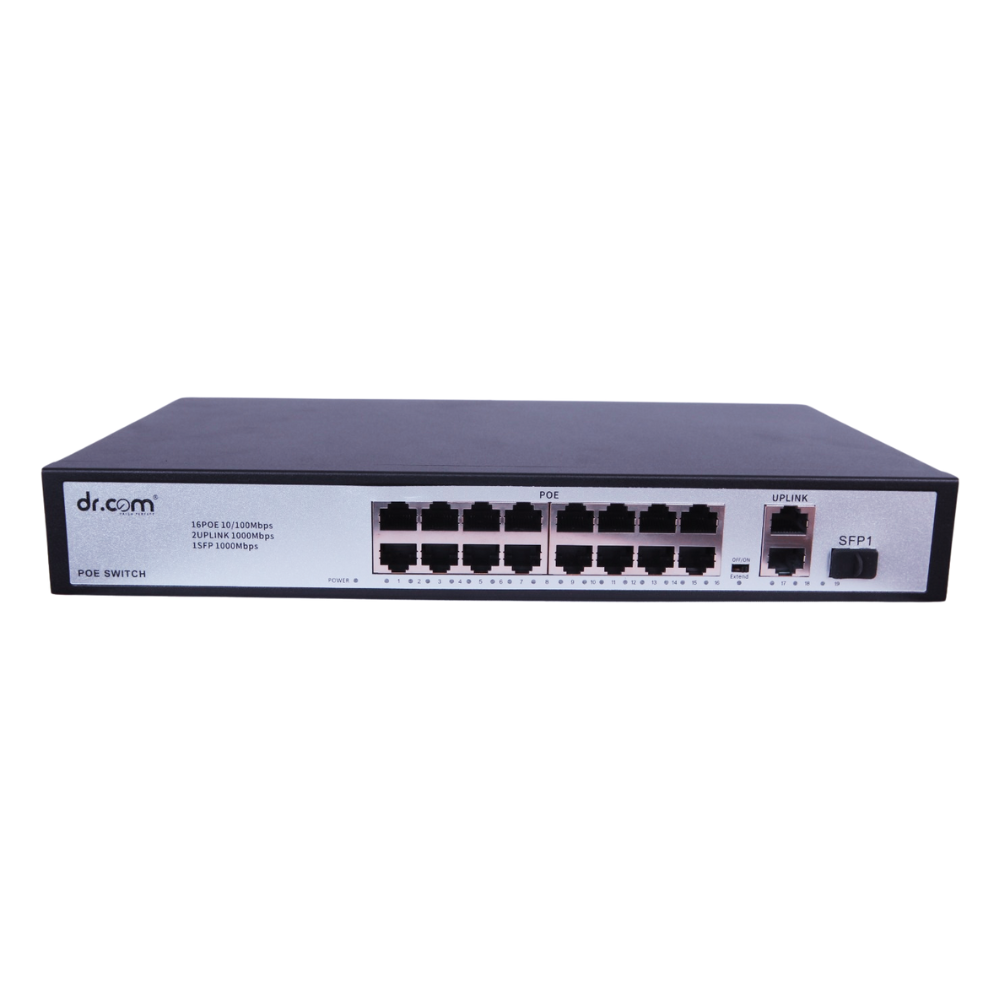
 16-Port 250W
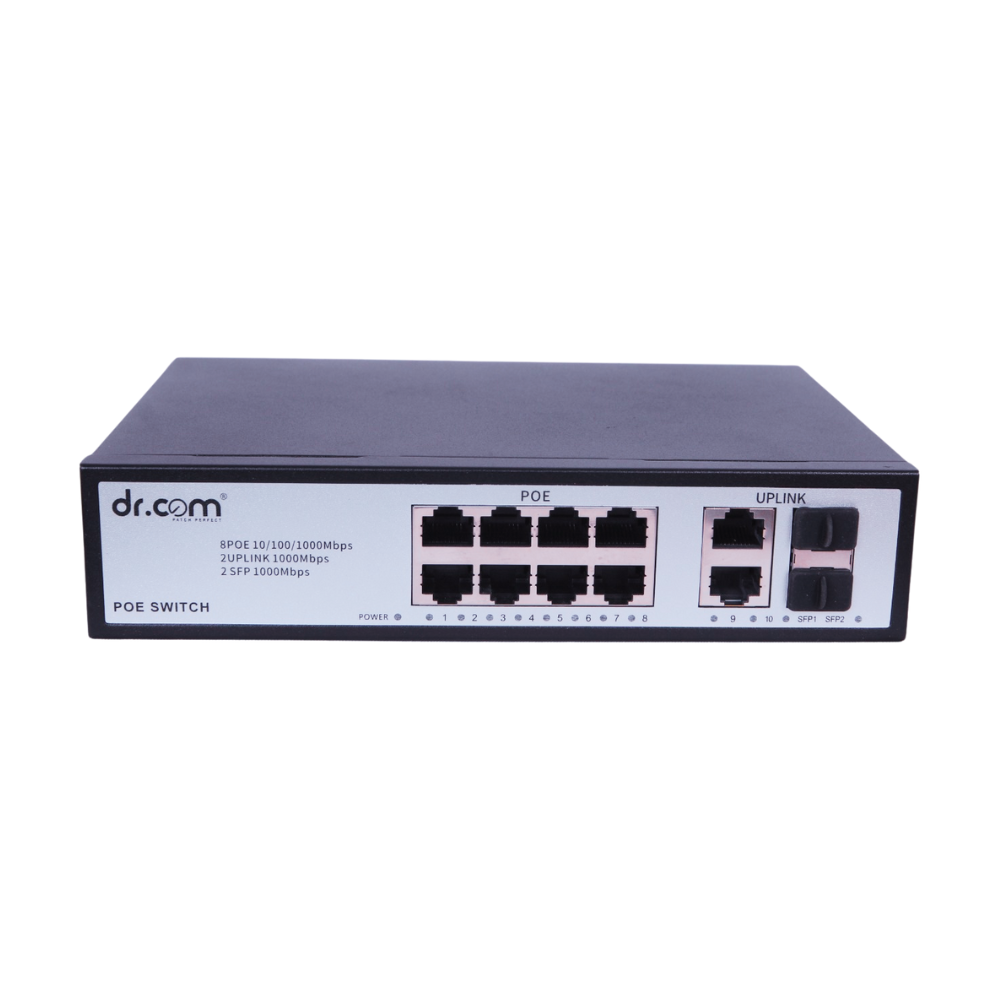 24-Port 320W
 UPS
UPS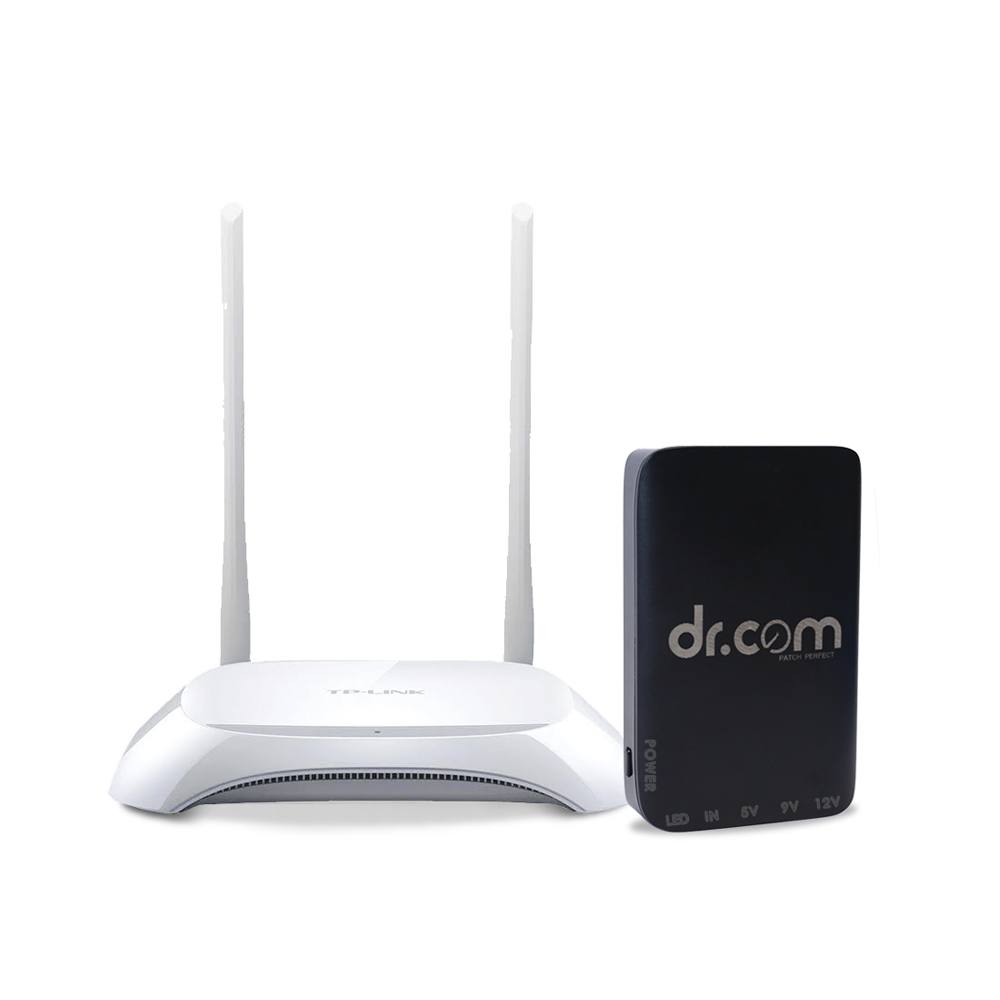 Multiple Output UPS DRU-8000
 Gpon-ONT
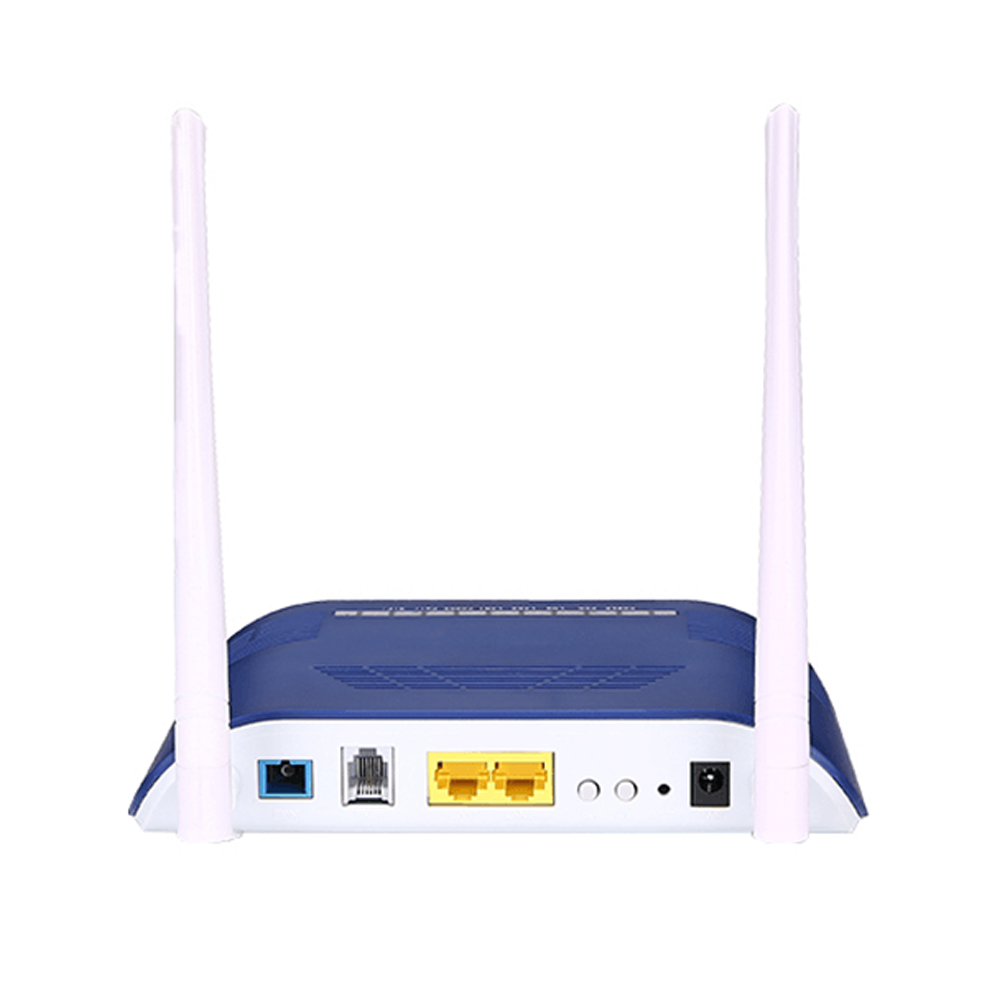 DRC 1GE+1FE+1POTS+WiFi
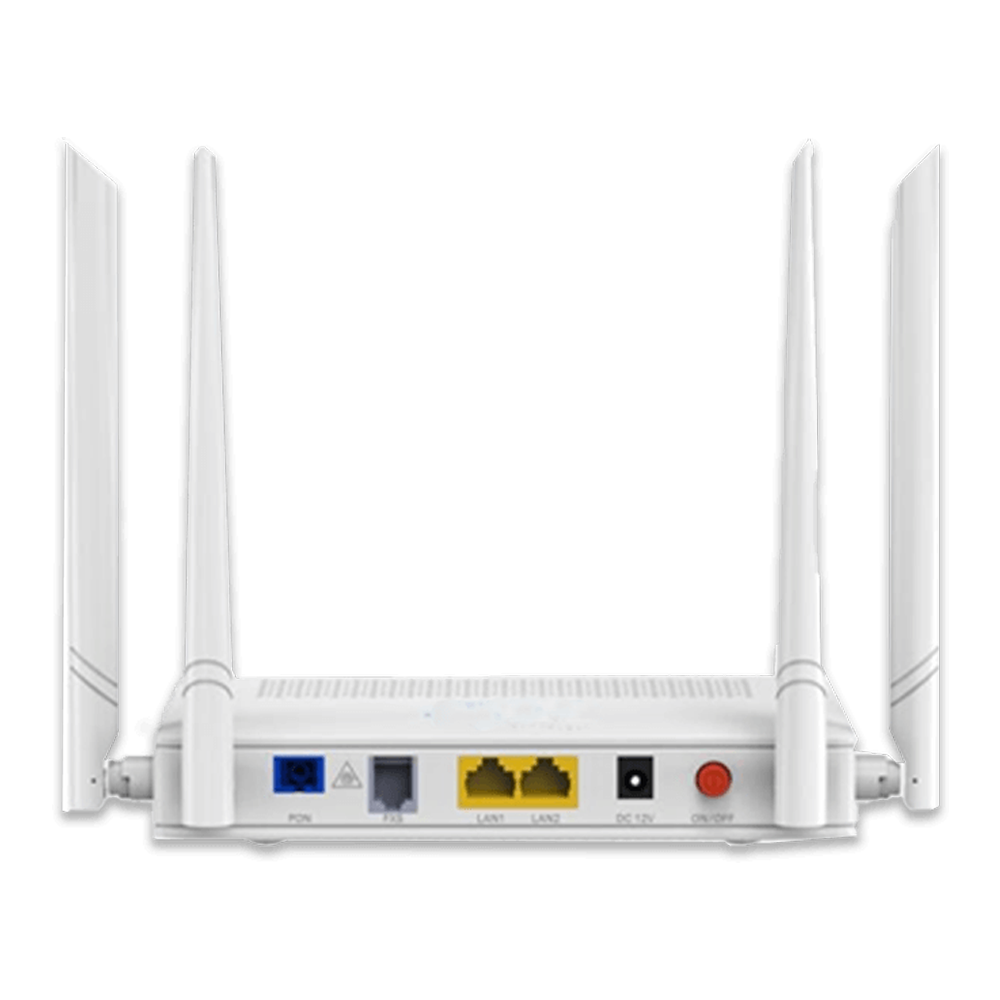 2GE+1POTS+AC WiFi
 Housing Solution
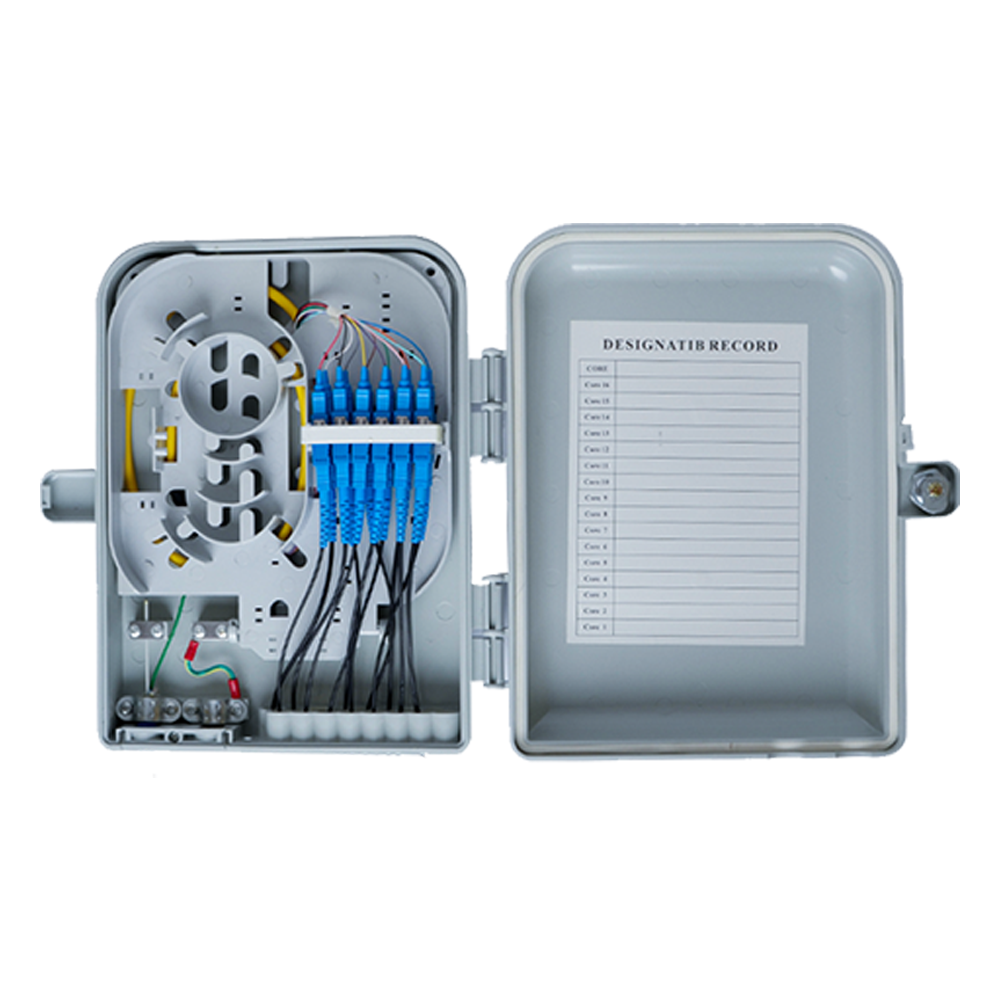 Fibre Distribution Box
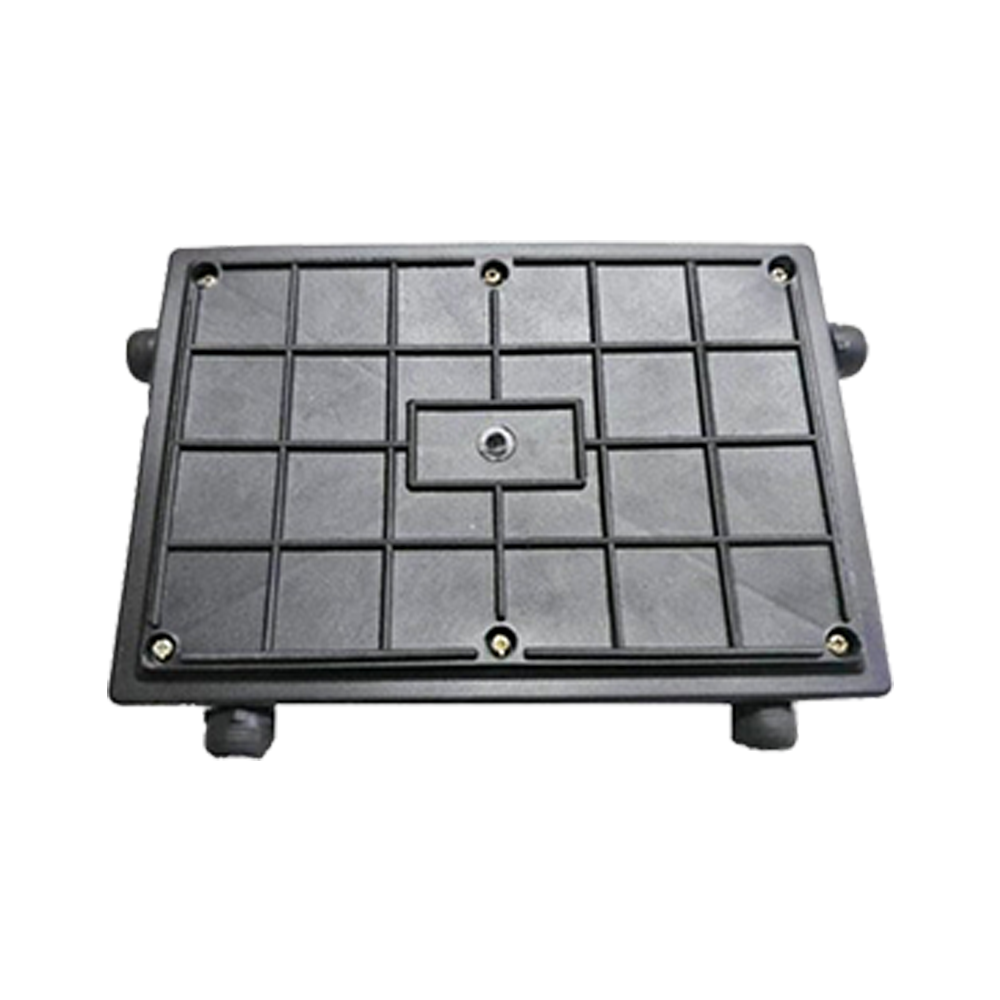 Joint Enclosure - Tiffin Box
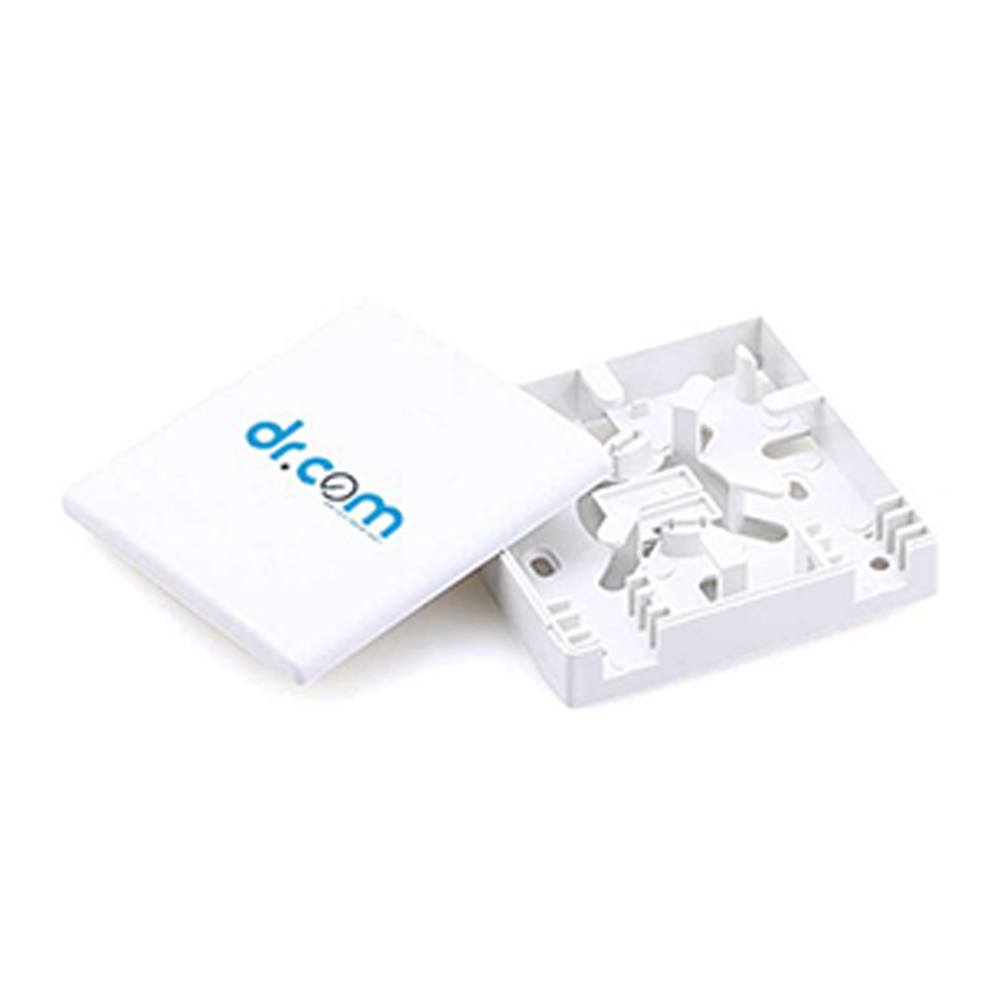 FTTH Termination Box
 Wall Mount FMS
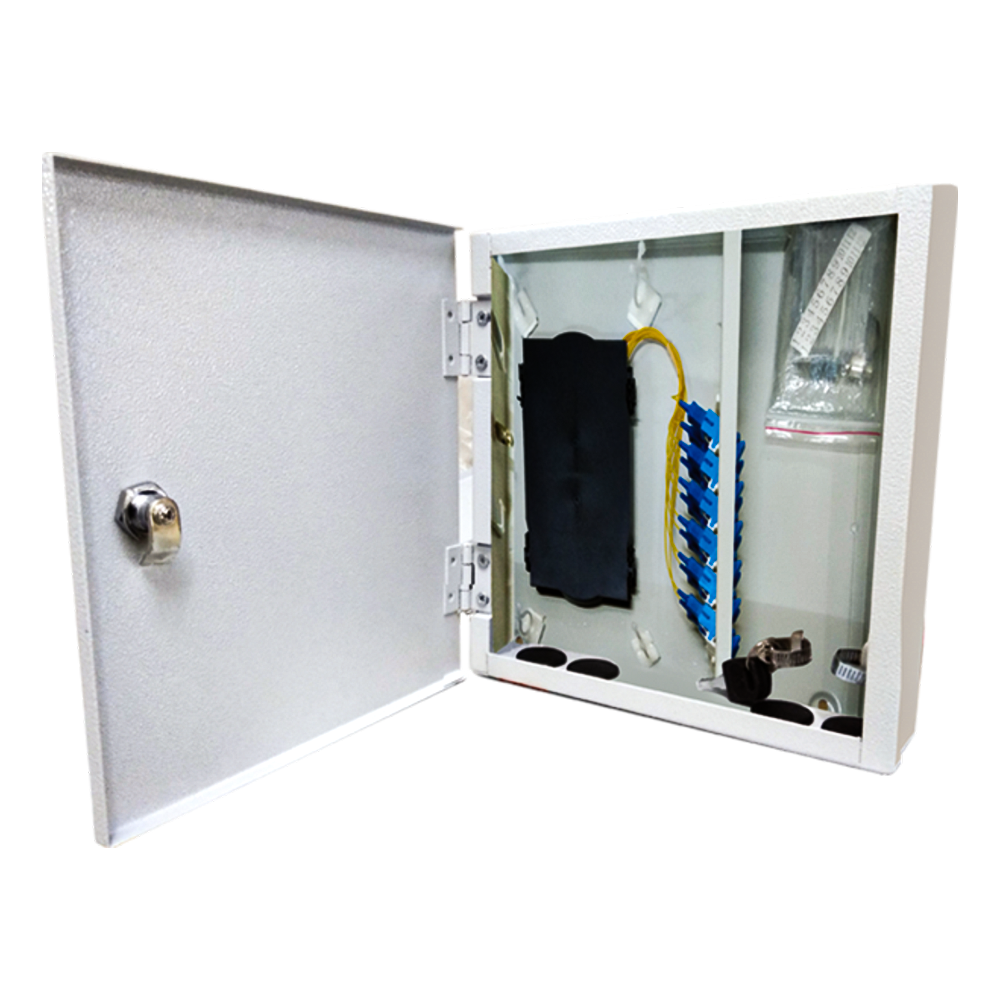 24F - Wall Mount FMS
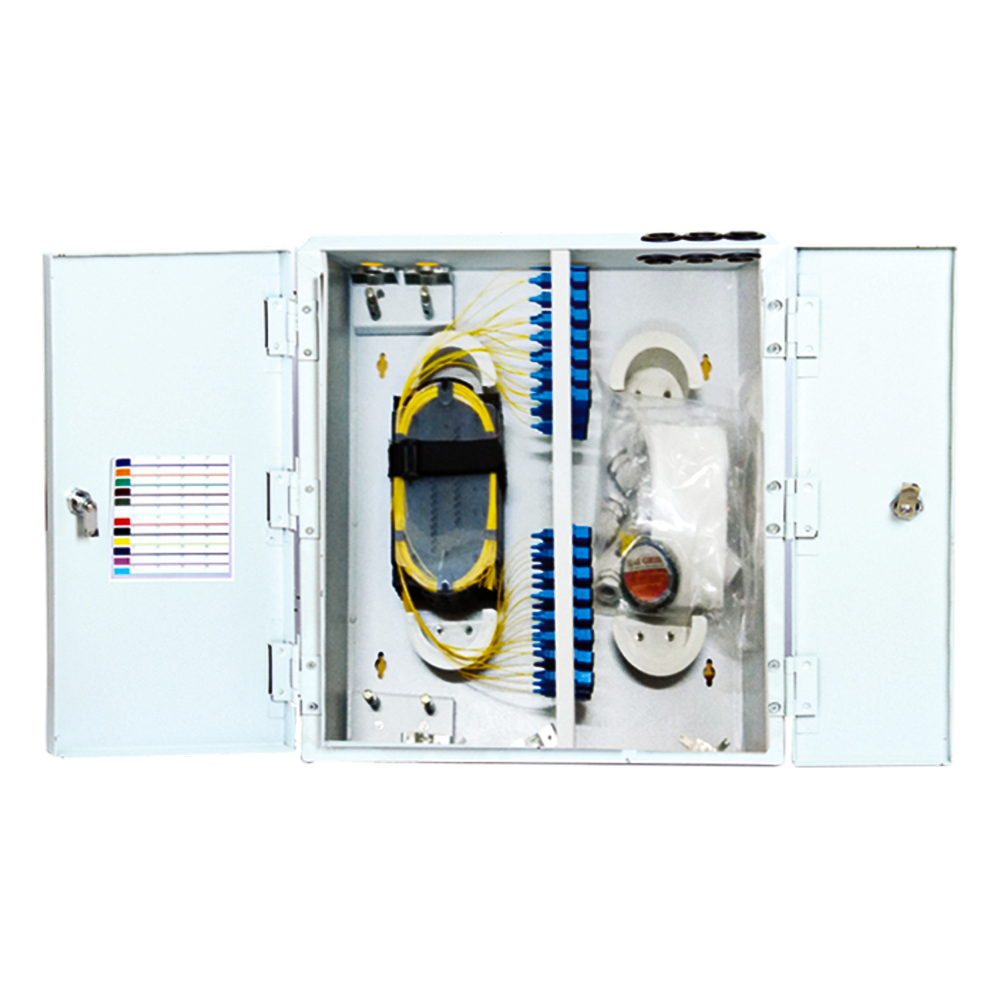 48F - Wall Mount FMS
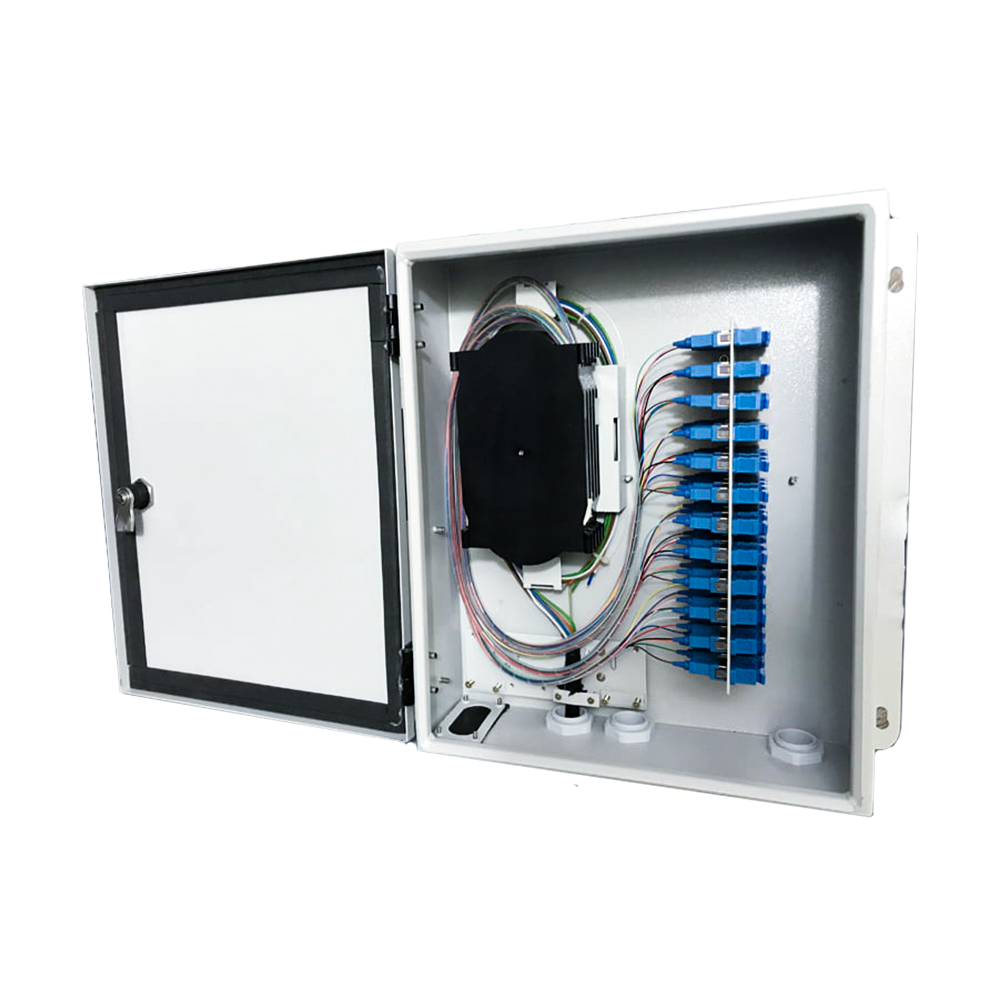 96F - Wall Mount FMS
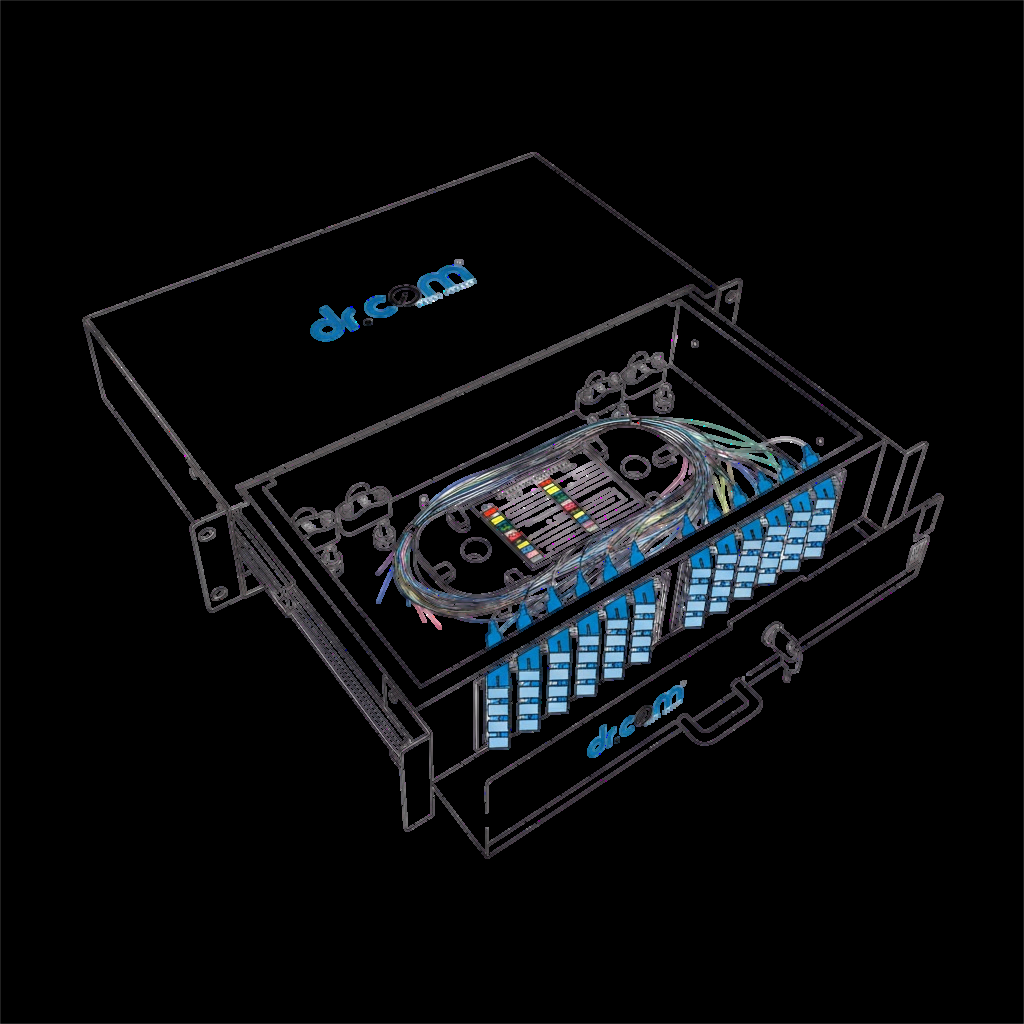 Rack Mount FMS
 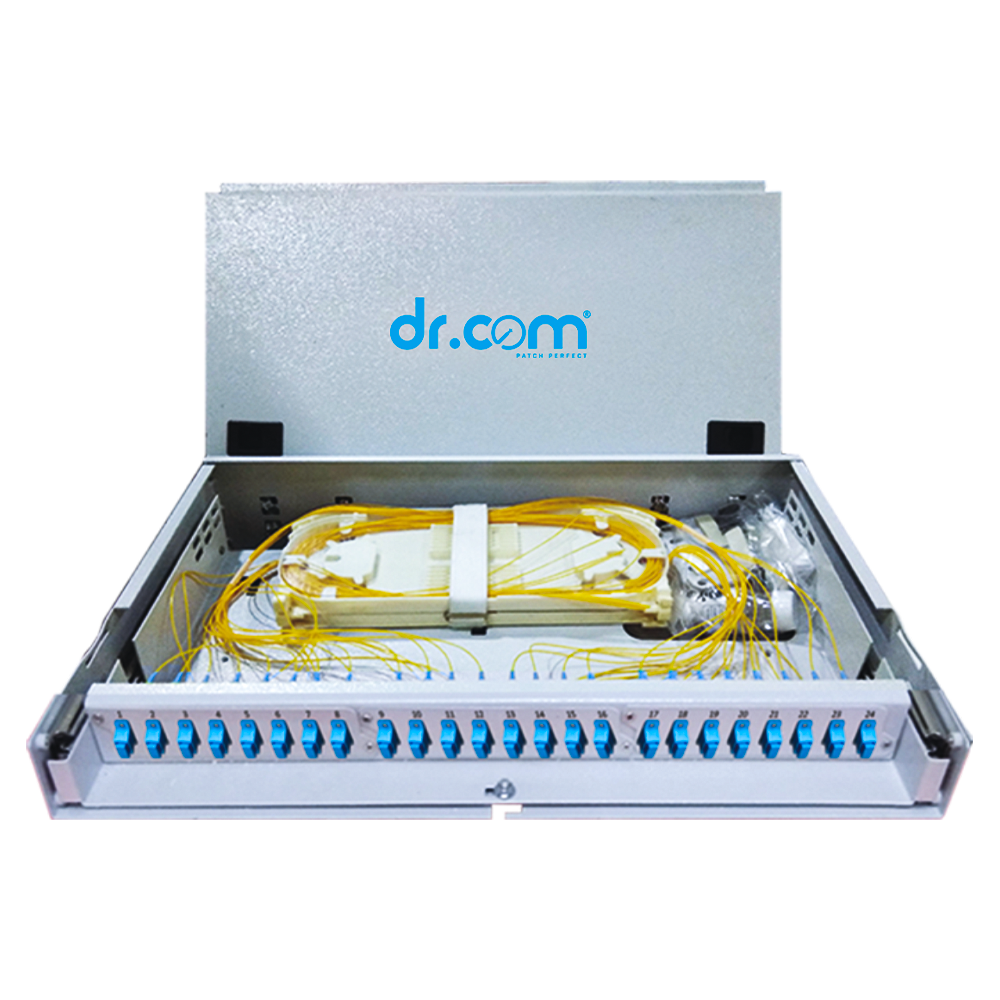 24F - Dome Unloaded Bamboo Type
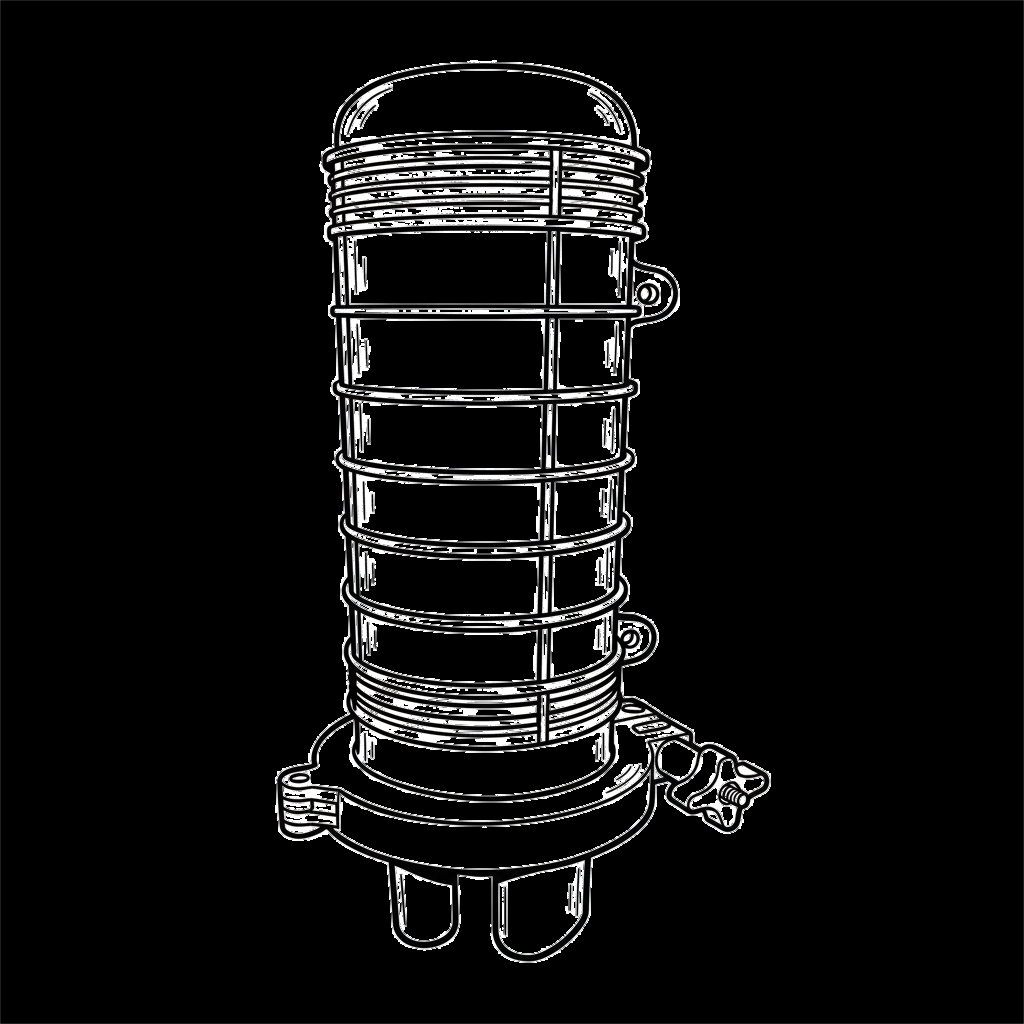 Dome Type Optical Fibre Enclosure
 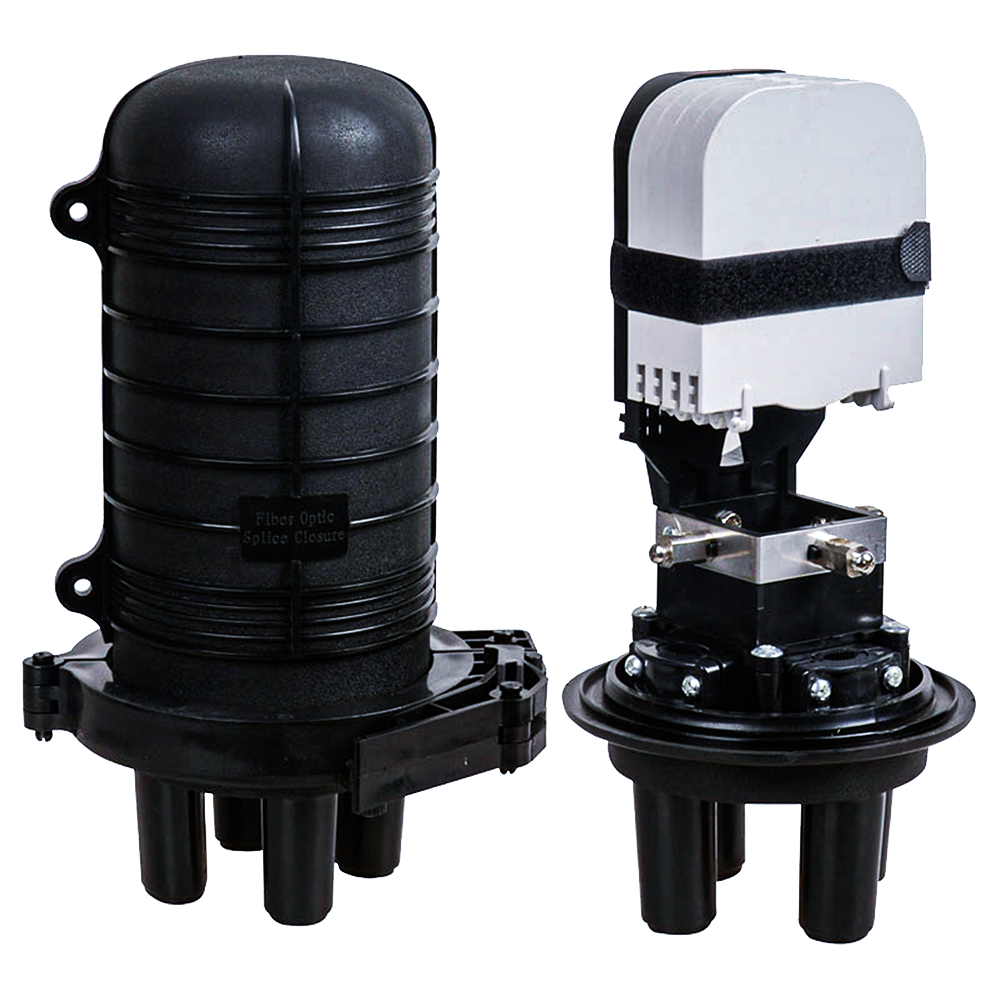 24F - Dome Unloaded Bamboo Type
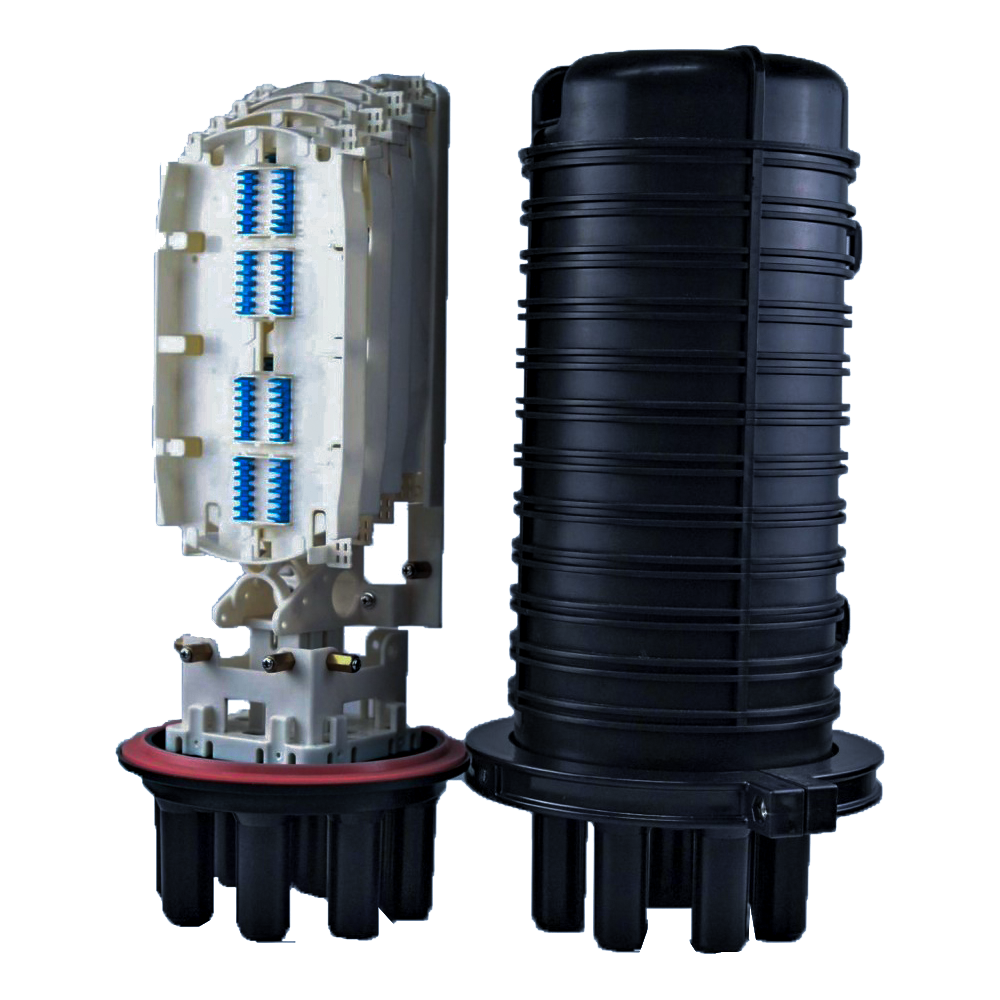 48F - Dome Unloaded Bamboo Type
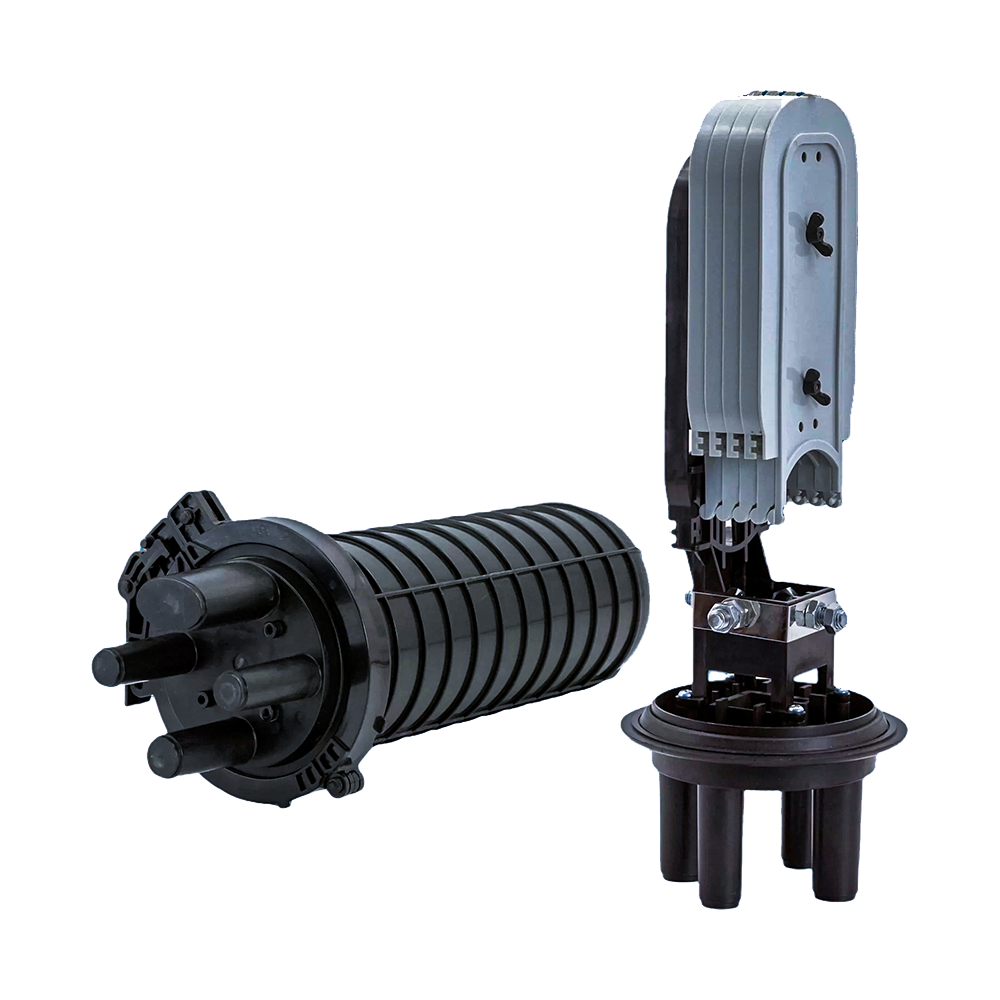 96F - Dome Unloaded Bamboo Type
 Accessories
 SFP Transceivers
 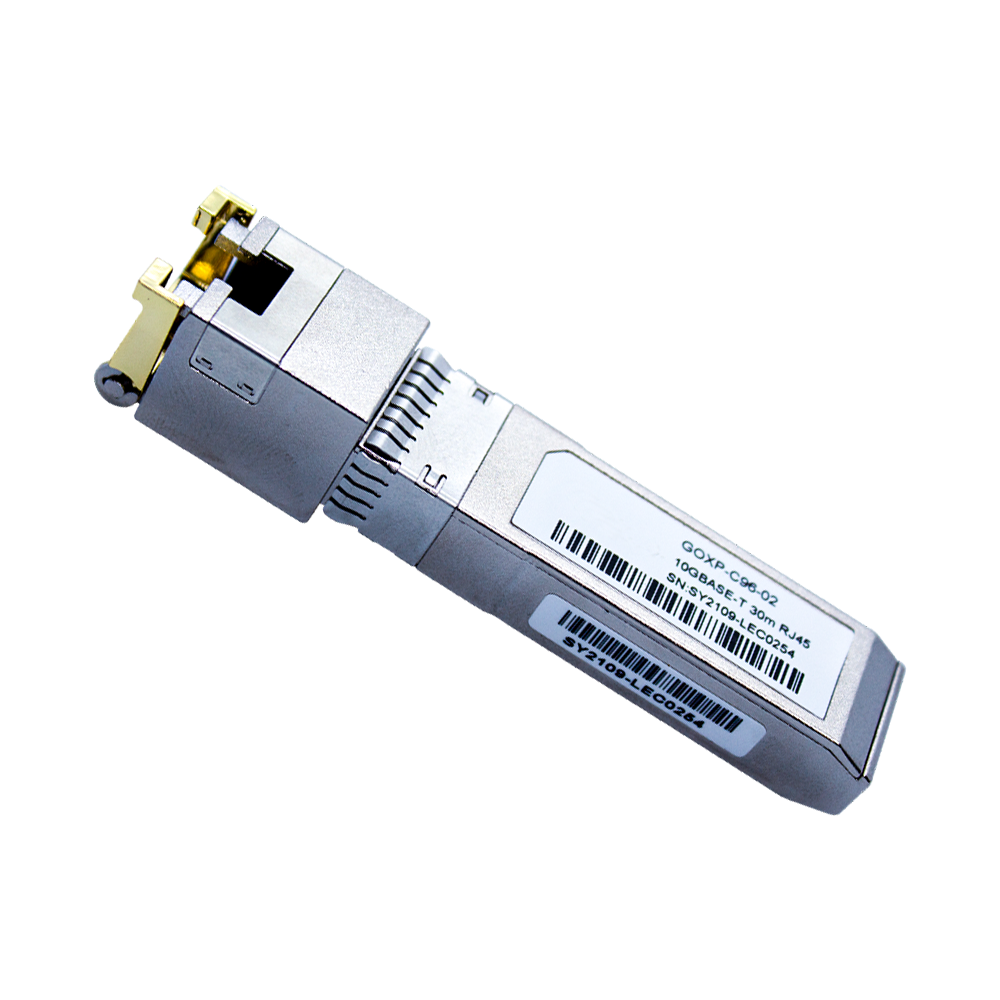 1G Single Fibre
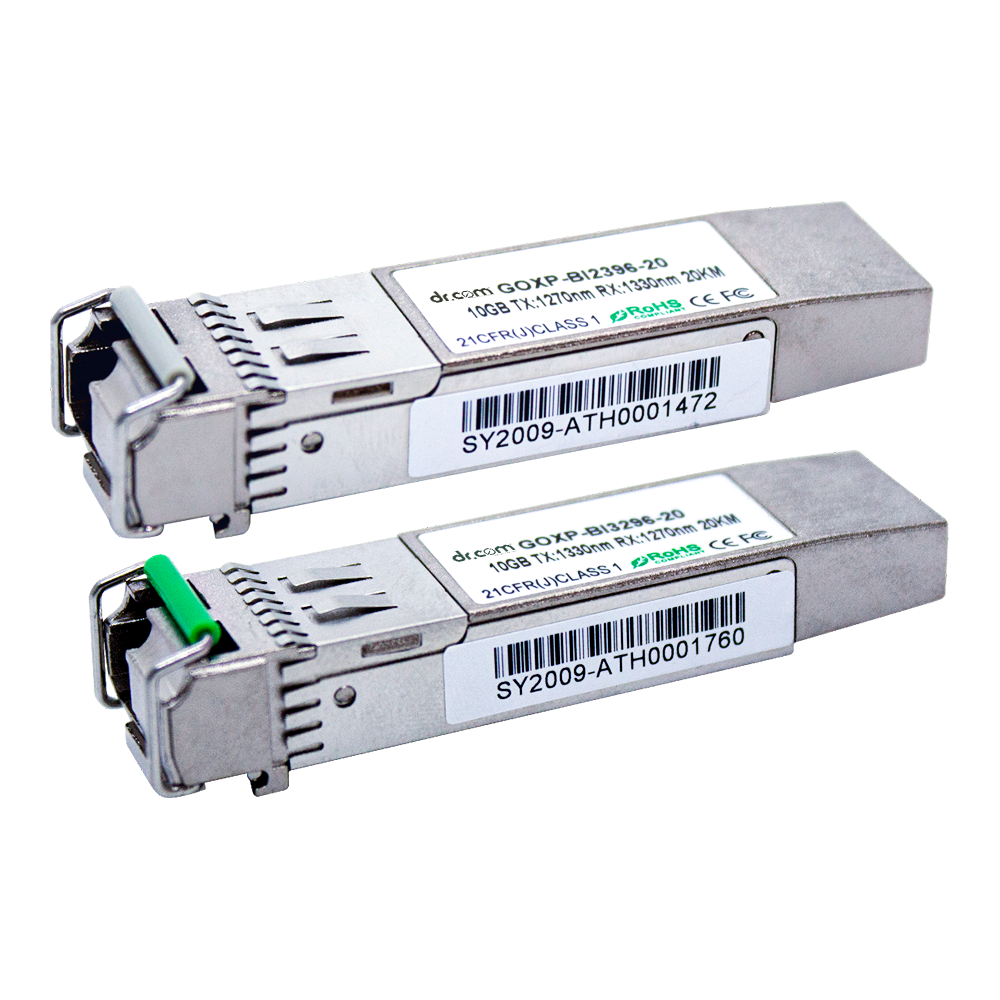 10G Single Fibre
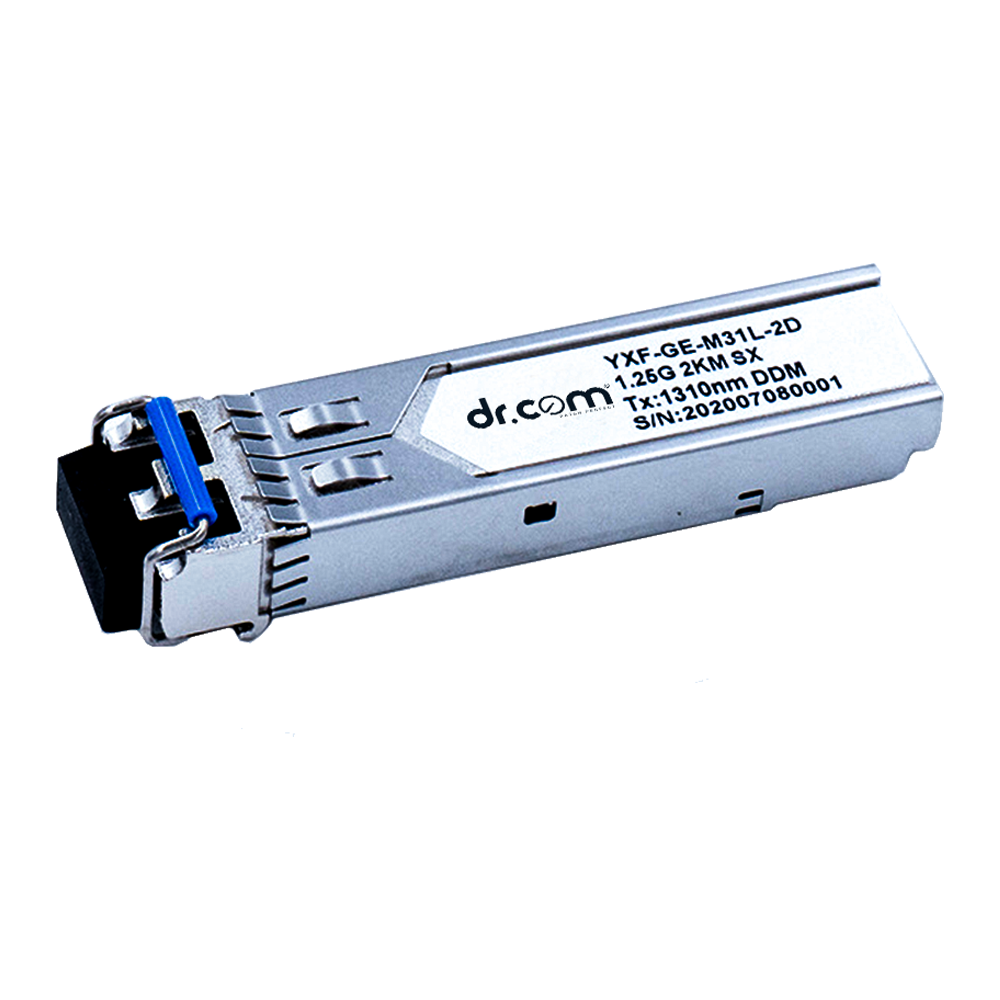 1G Dual Fibre
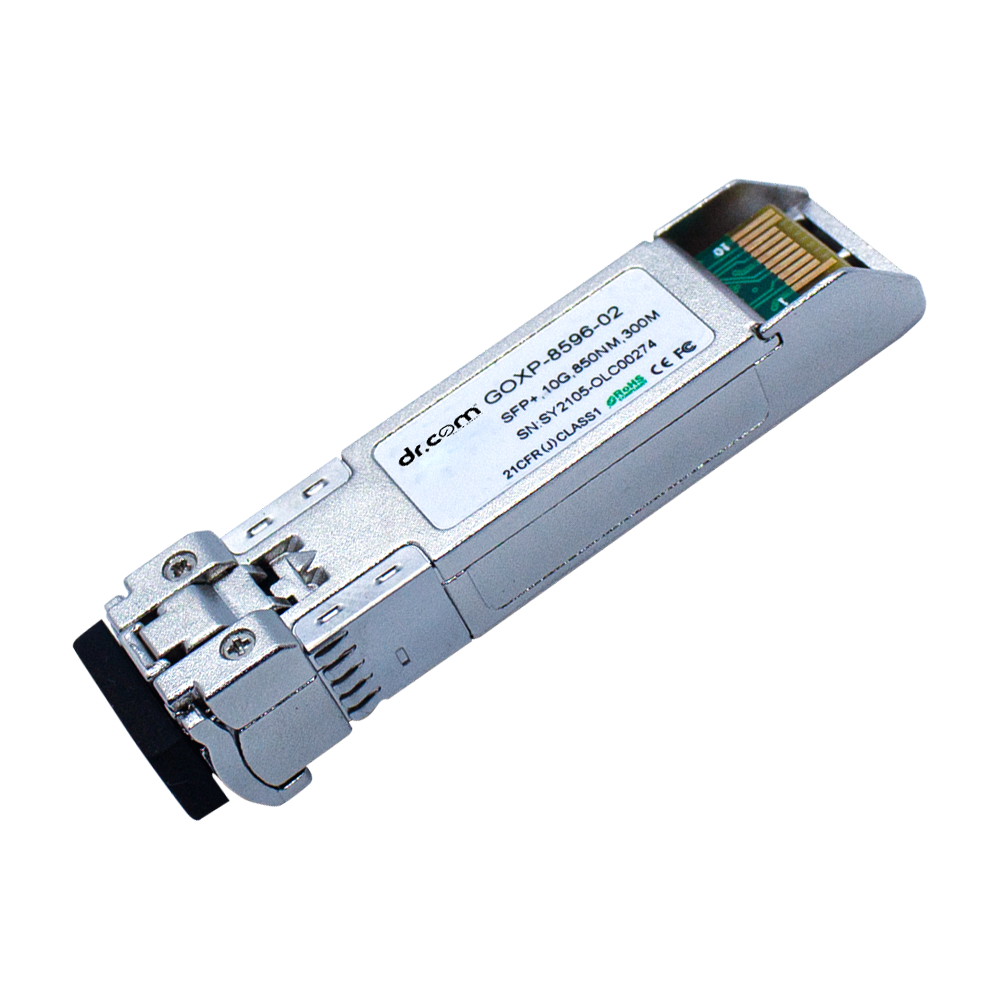 10G Dual Fibre
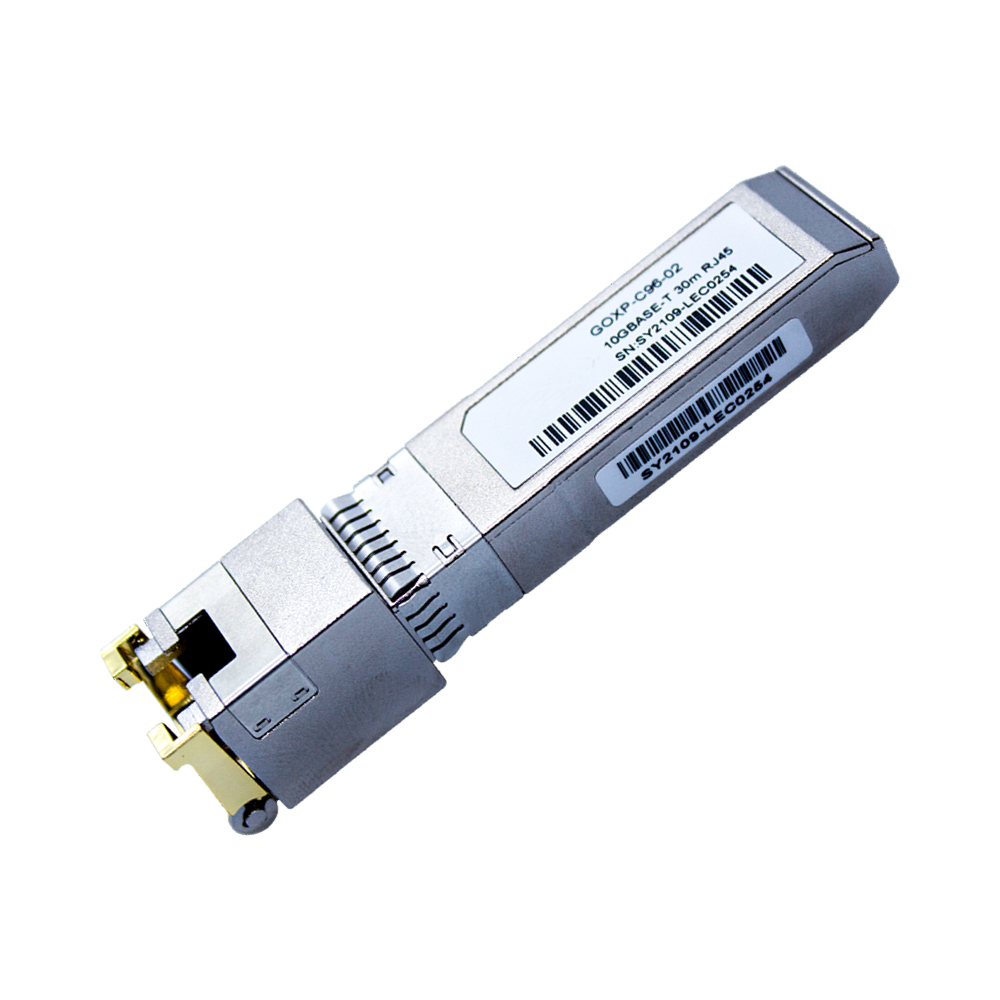 1G Copper
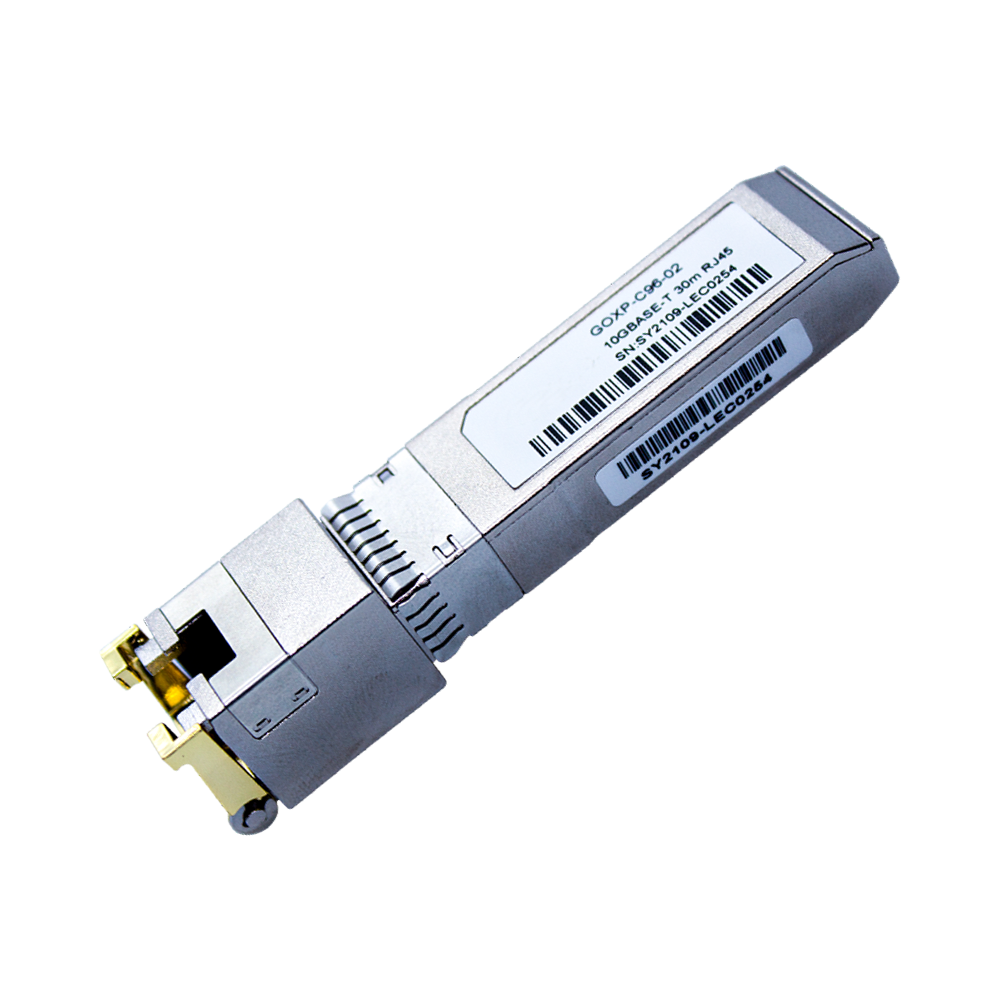 10G Copper
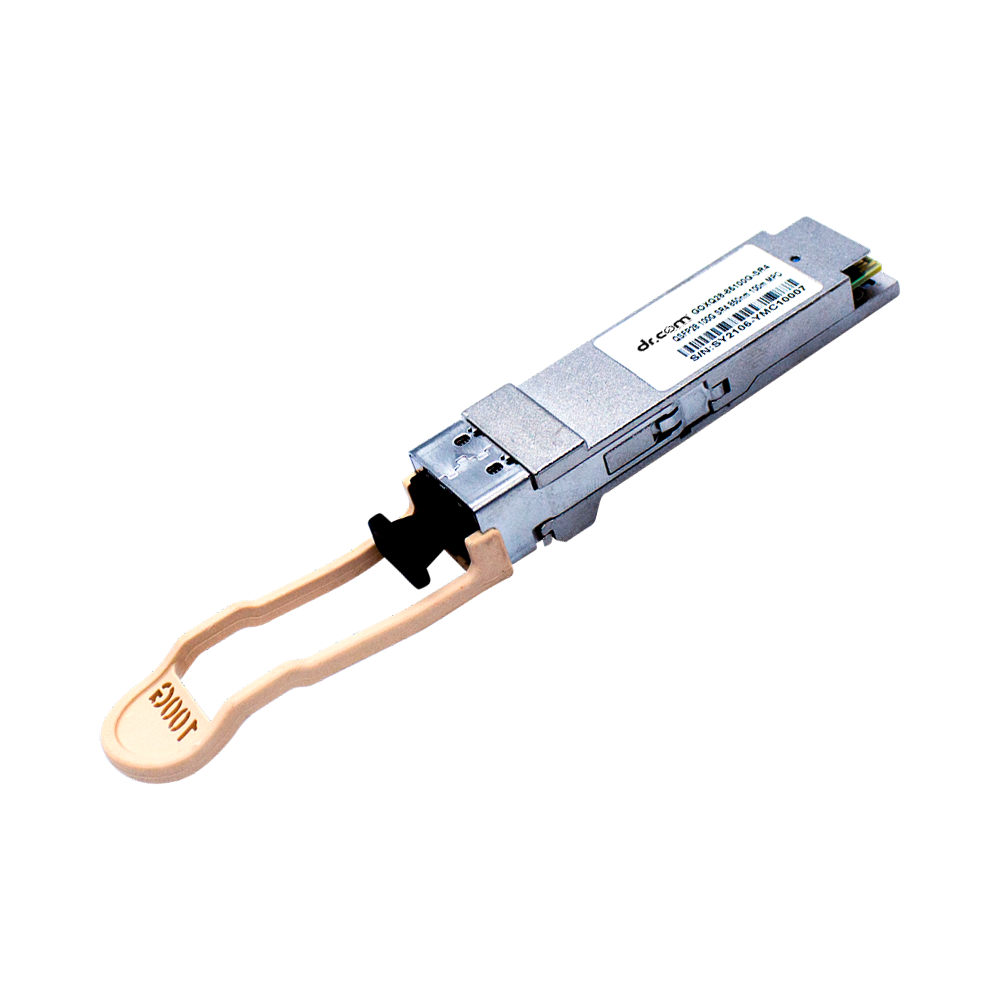 40G QSFP
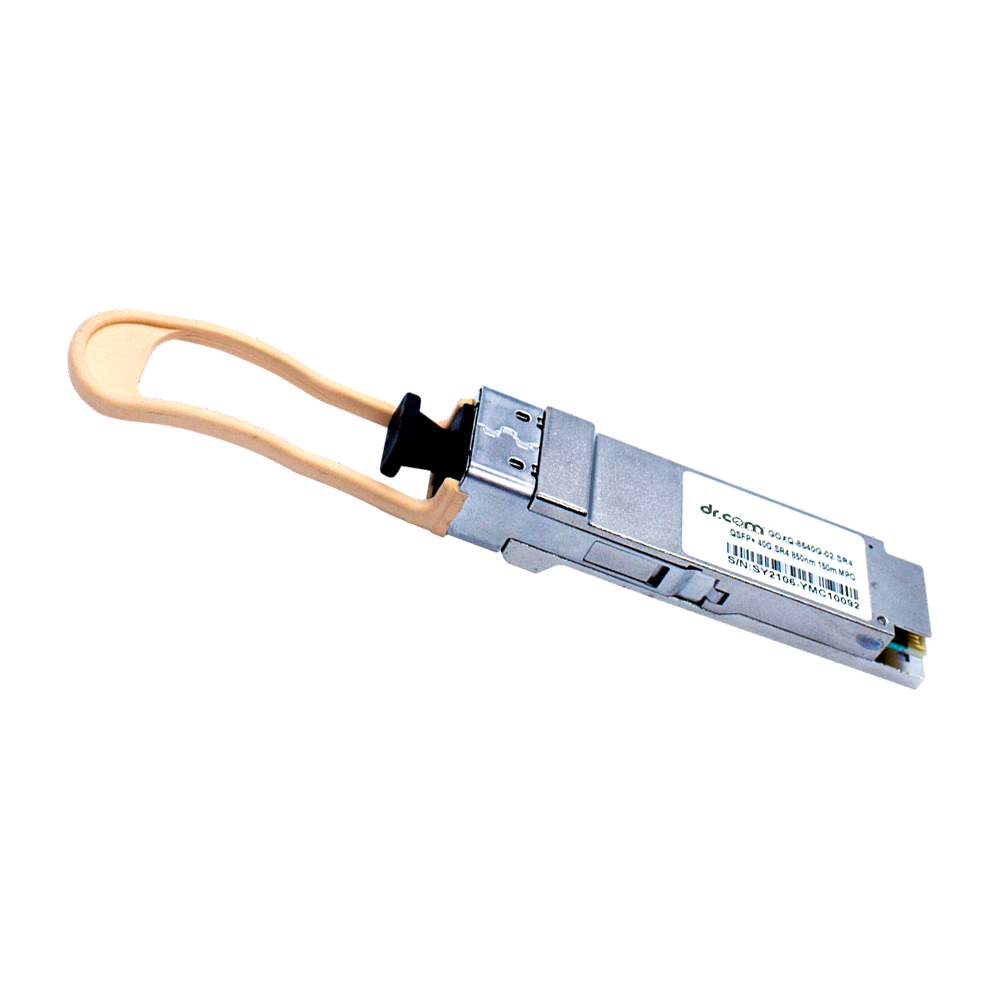 100G QSFP
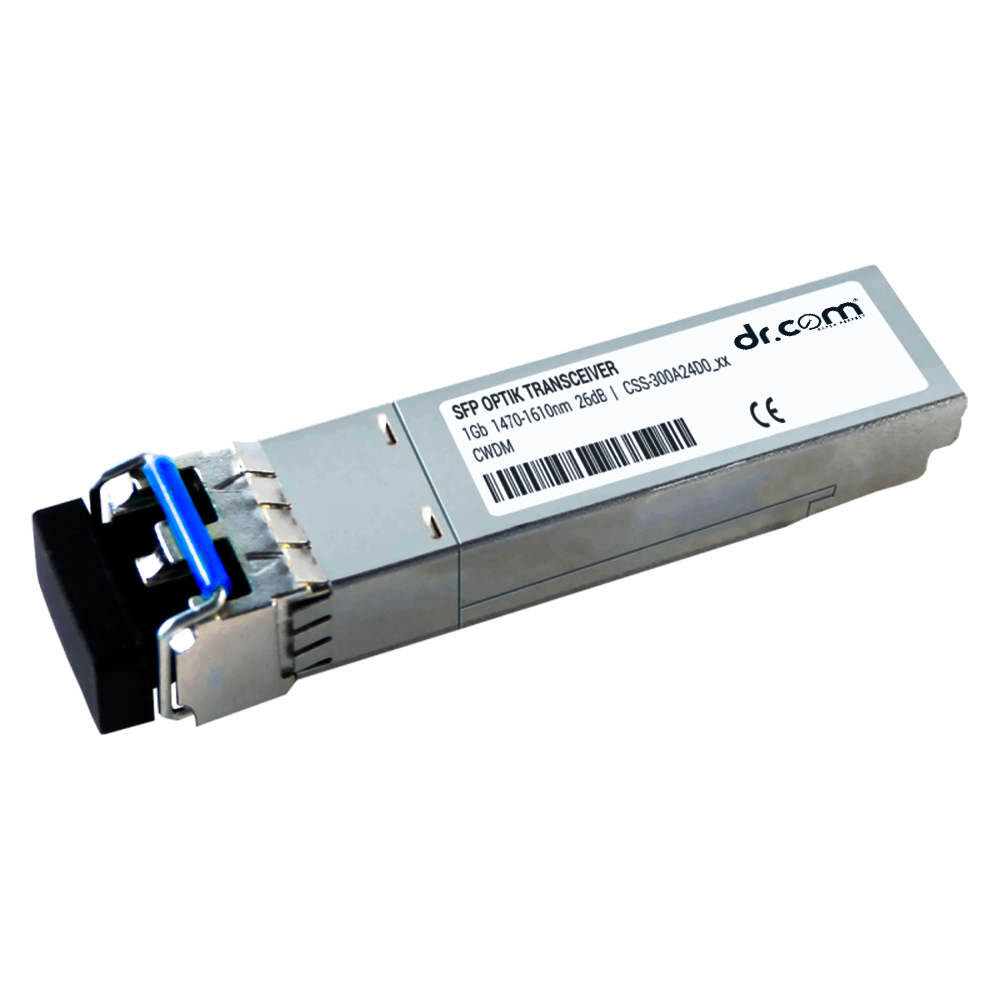 1G CWDM
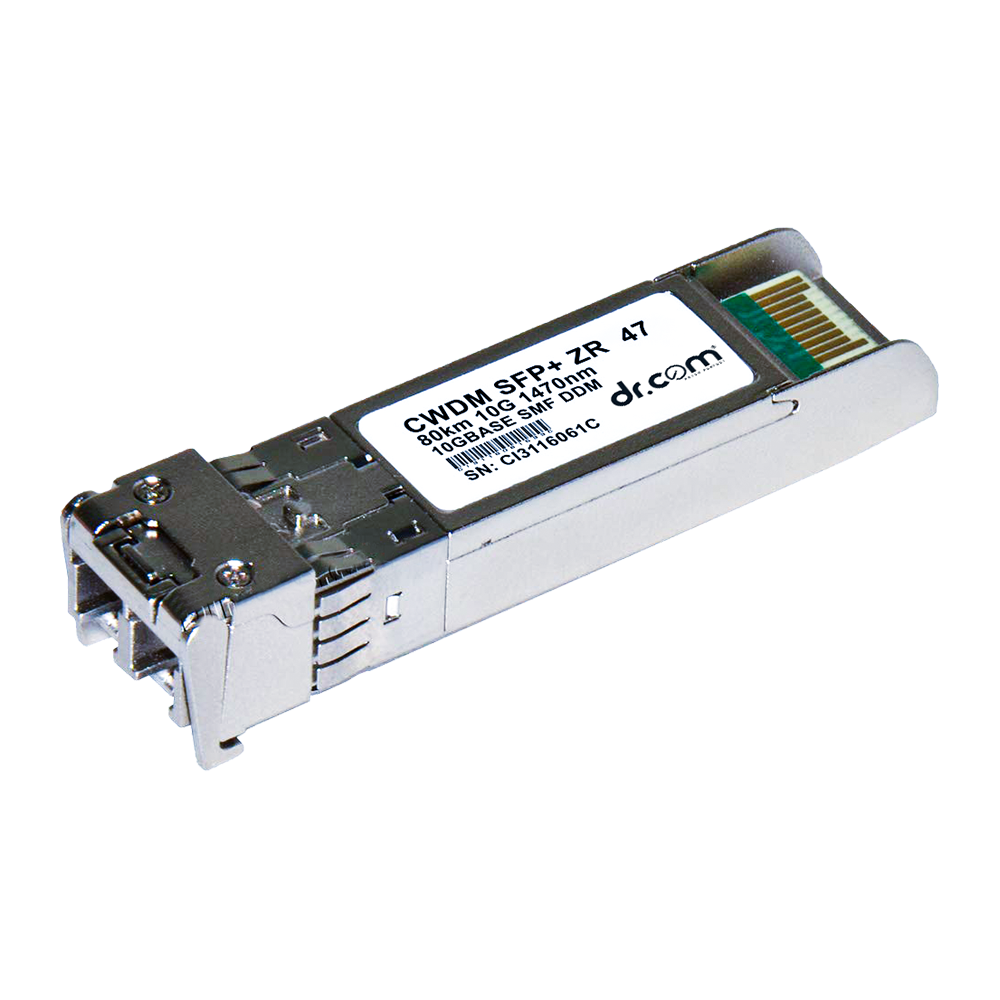 10G CWDM
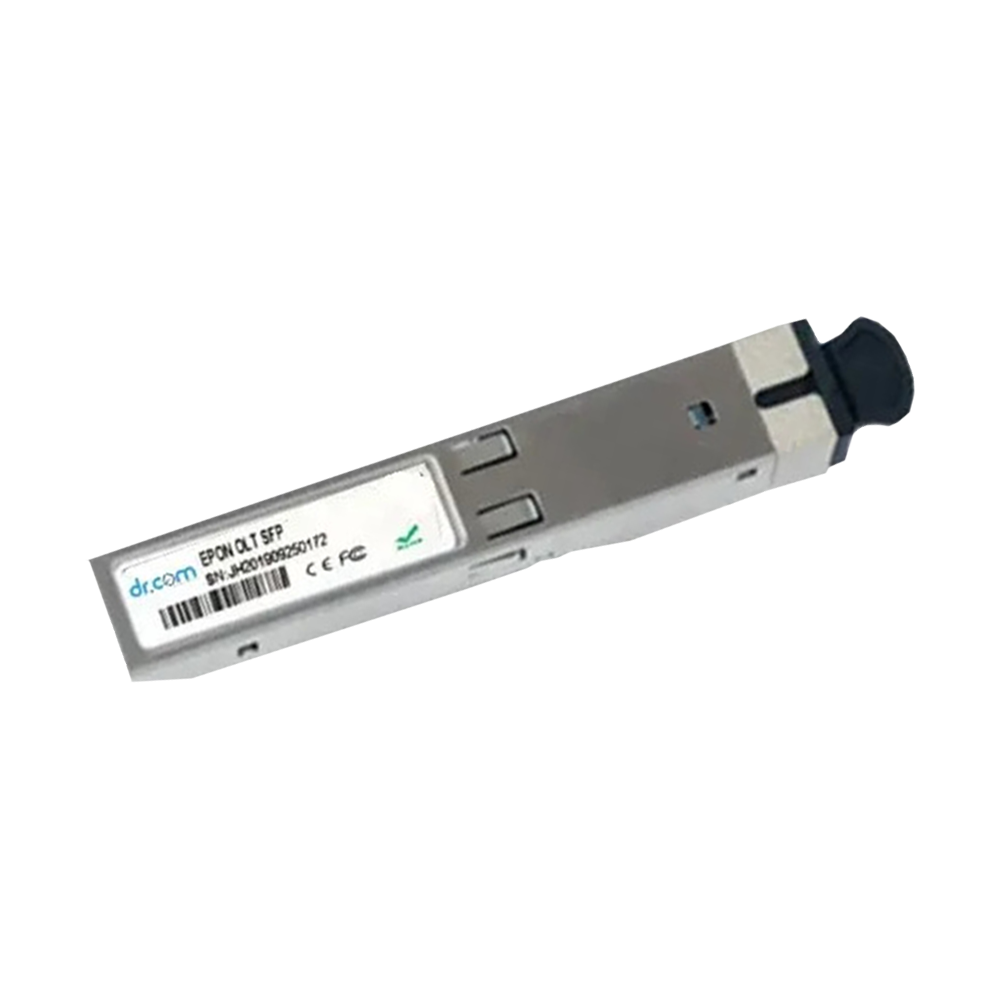 EPON PON Module
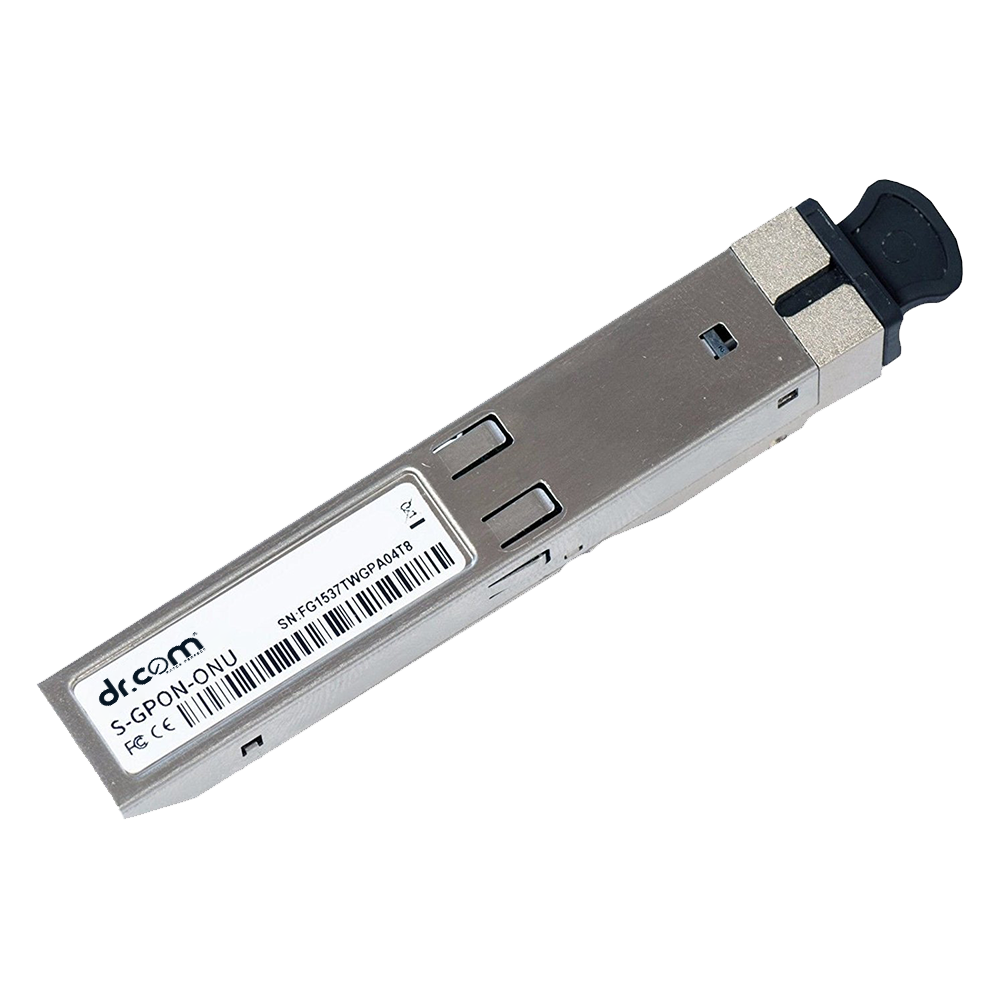 GPON PON Module
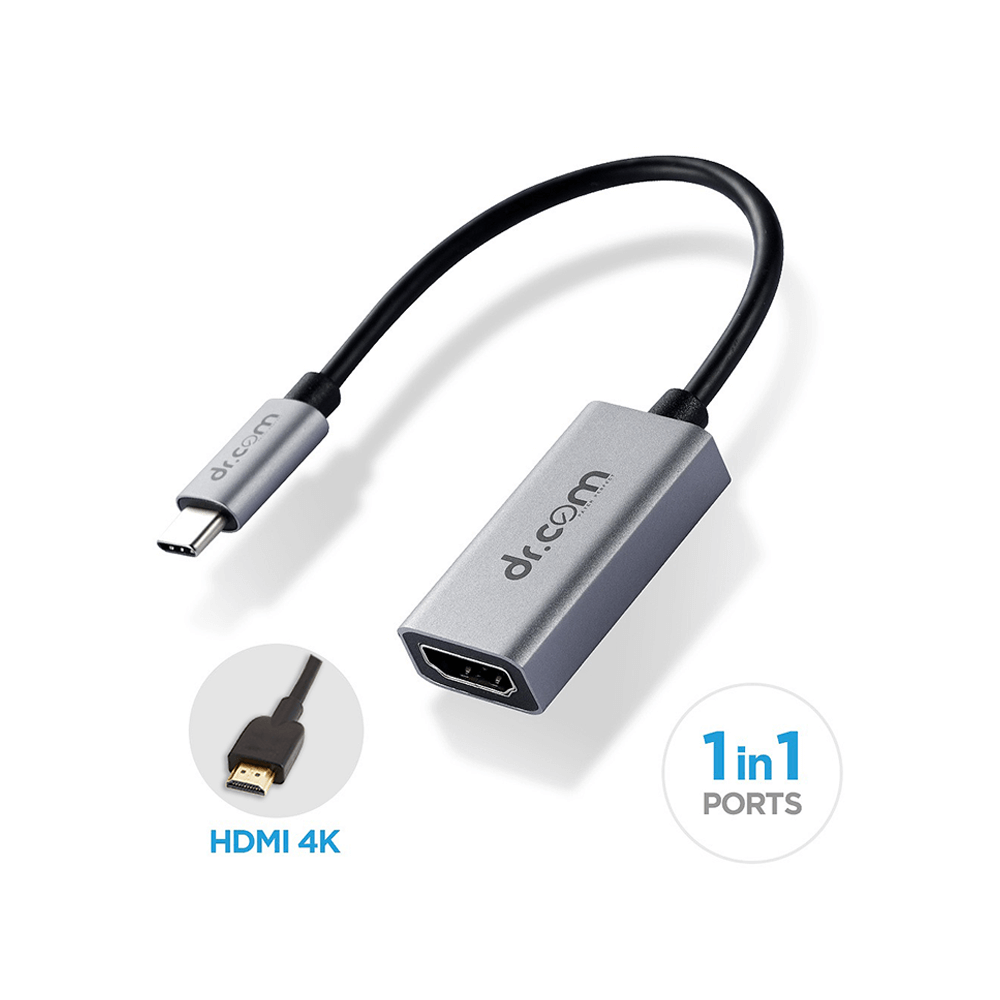 Multifunction Adpter DCH - 100
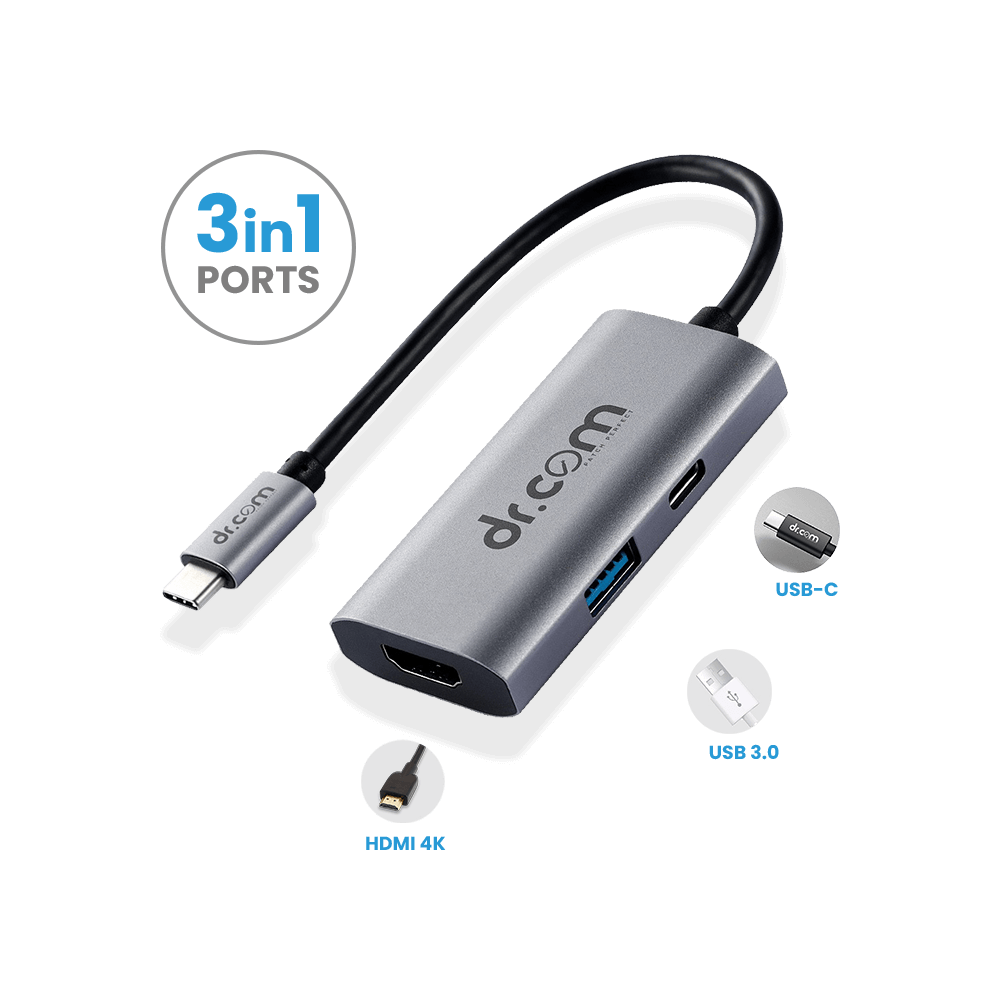 Multifunction Adpter DCH - 300
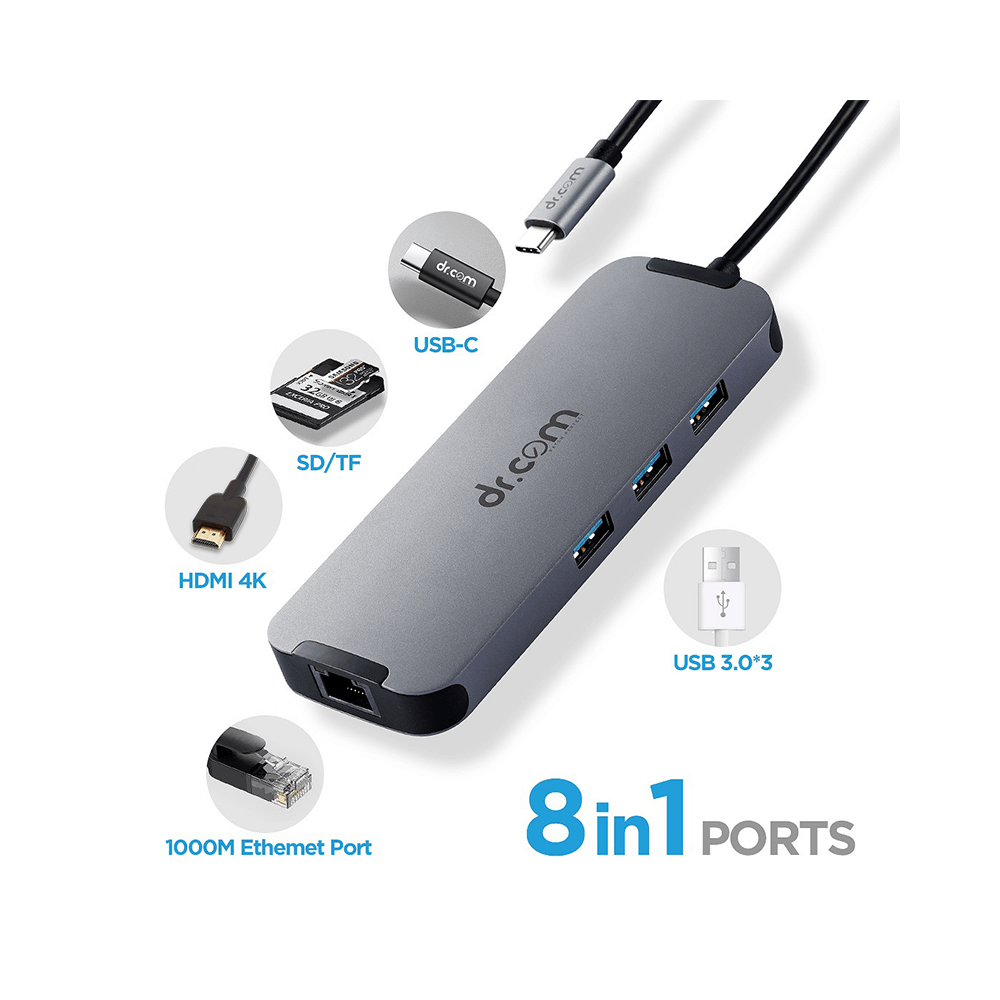 Multifunction Adpter DCH - 800
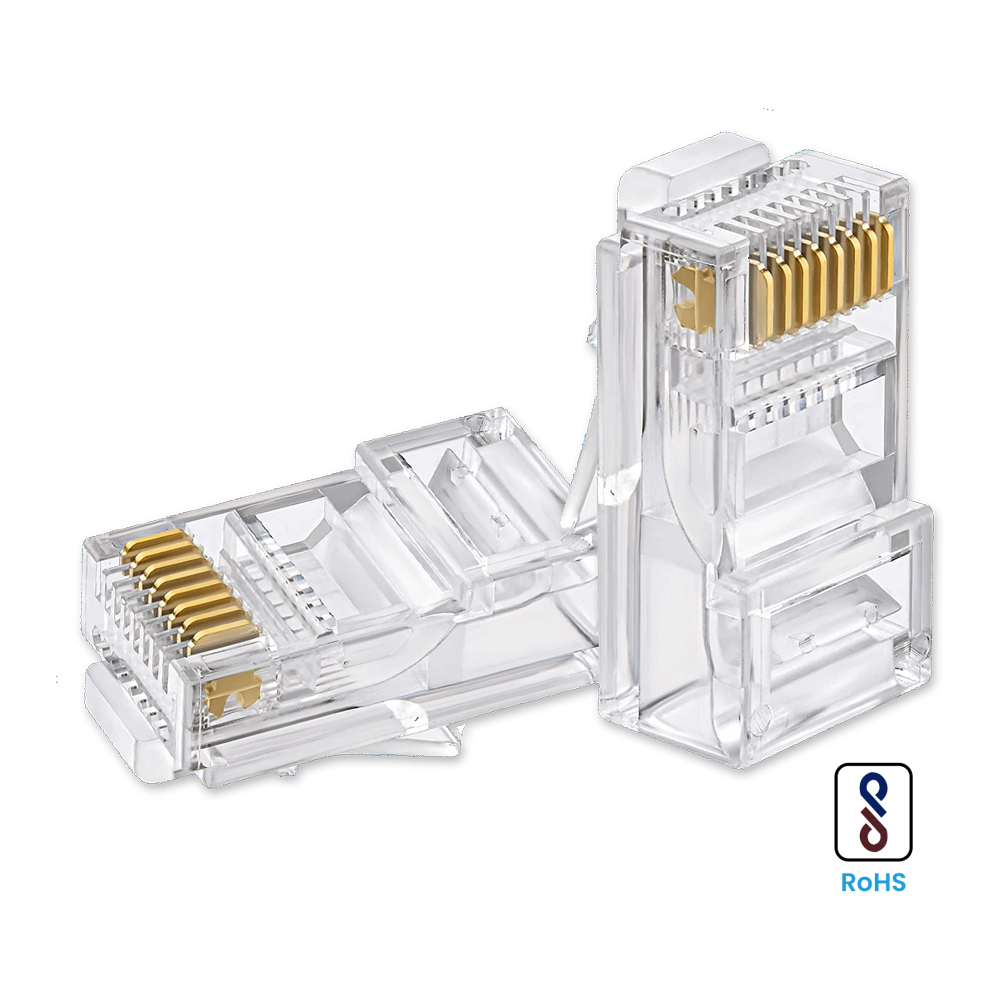 RJ45 Connectors
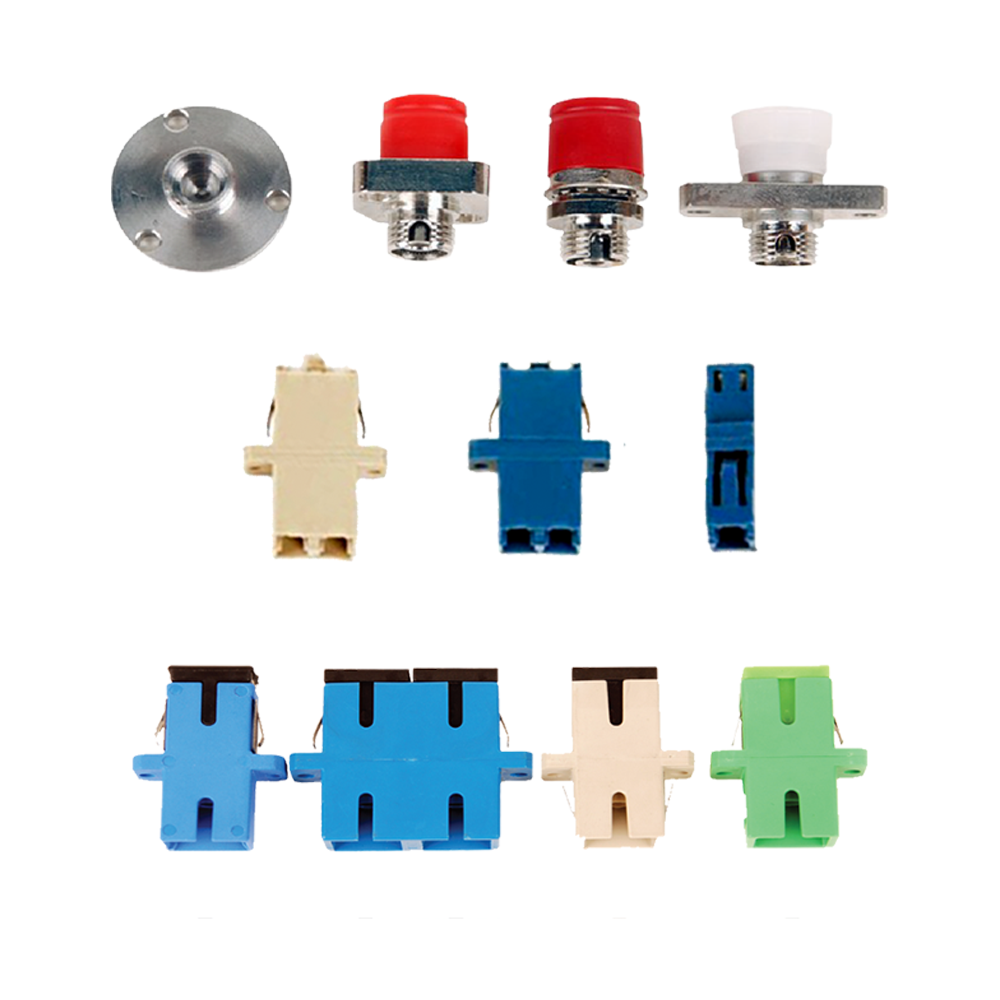 FC, LC, SC Fibre Connectors
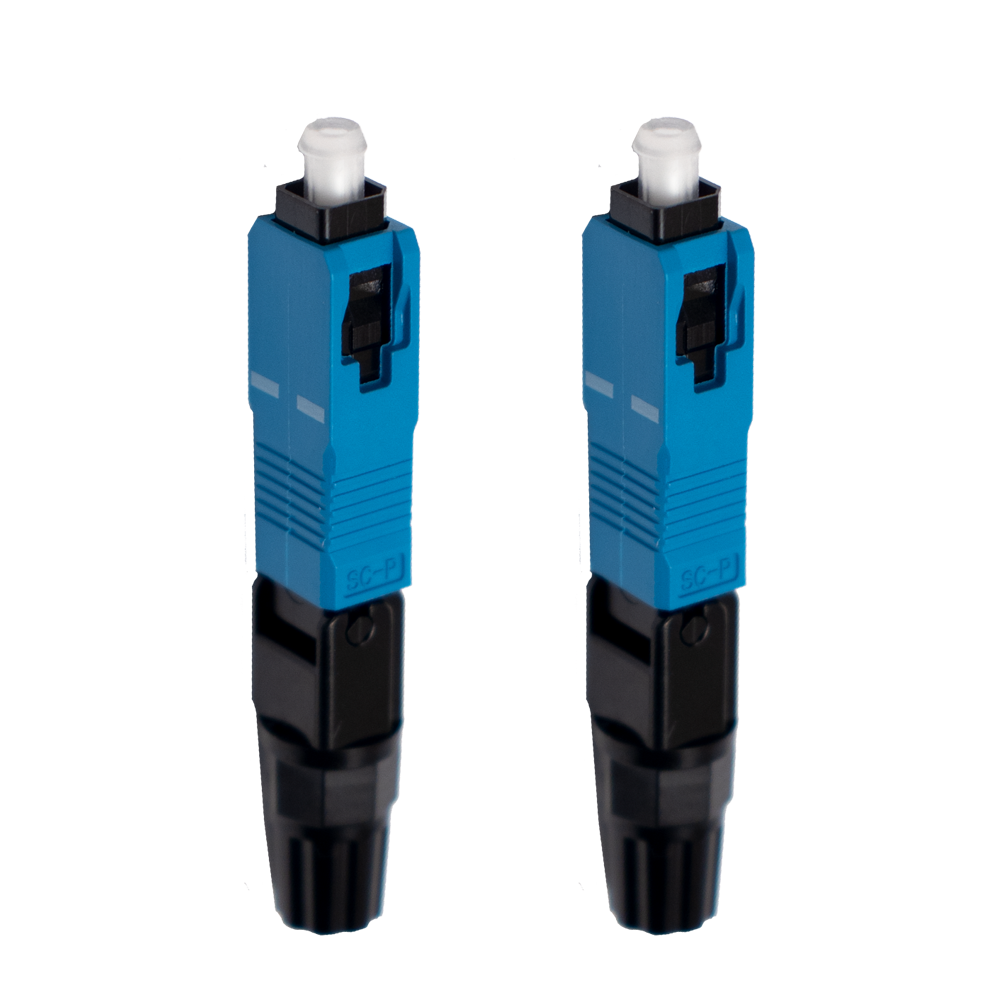 SC | UPC
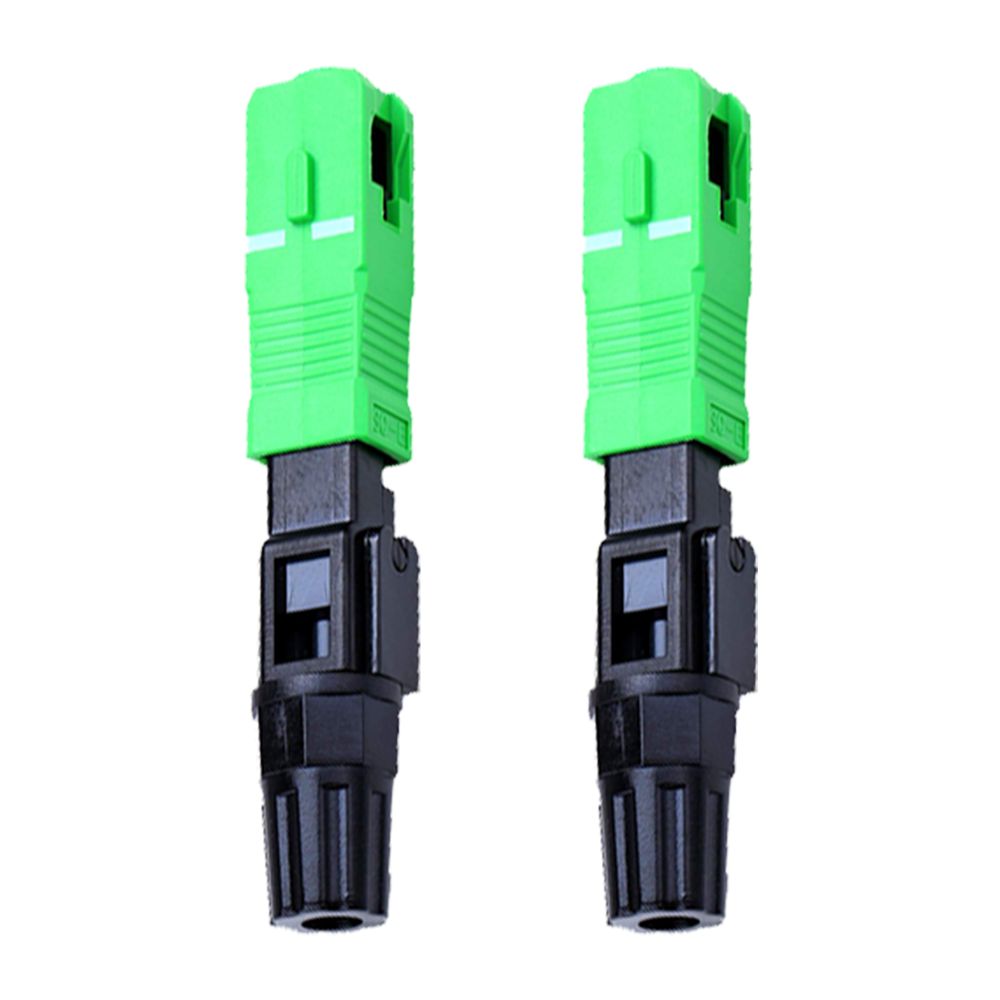 SC | APC
 Sleeves
 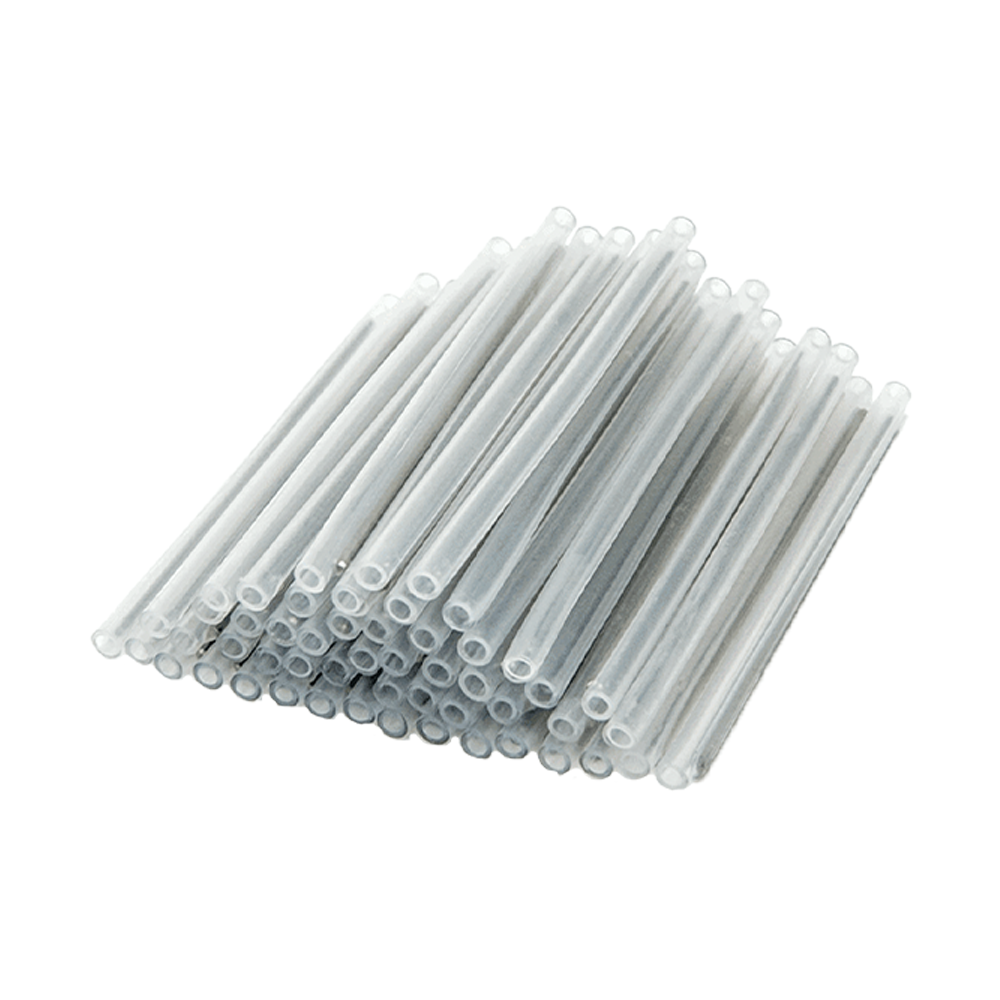 Fibre Sleeves 60mm
 Softwares
 Dr.Wan (SD-WAN)
 Dr.Biig (Broadband Internet Intelligent Gateway)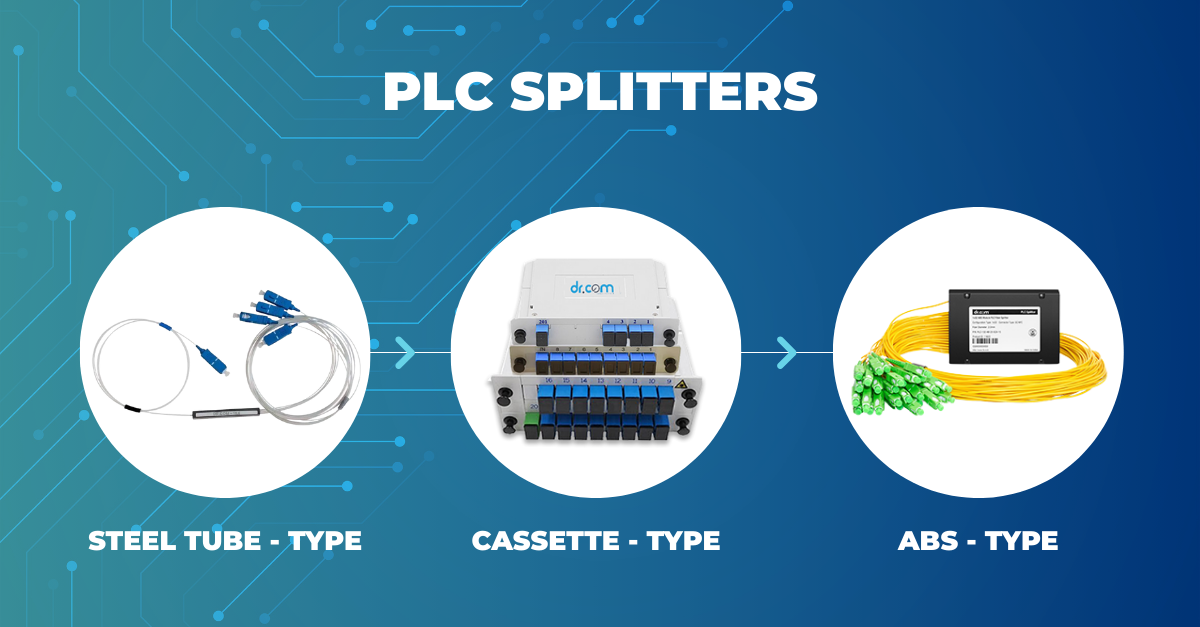
Demystifying PLC Splitters: How to Master Efficiency in Your FTTH Network Deployment
The global shift toward Fiber-to-the-Home (FTTH) connectivity hinges on one critical, often overlooked component: thePlanar Lightwave Circuit (PLC) Splitter. For network operators and ISPs, mastering the use, placement, and calculation of splitters is essential for a cost-effective and high-performance FTTH rollout.
1. The Challenge: Multiplying Connectivity Passively
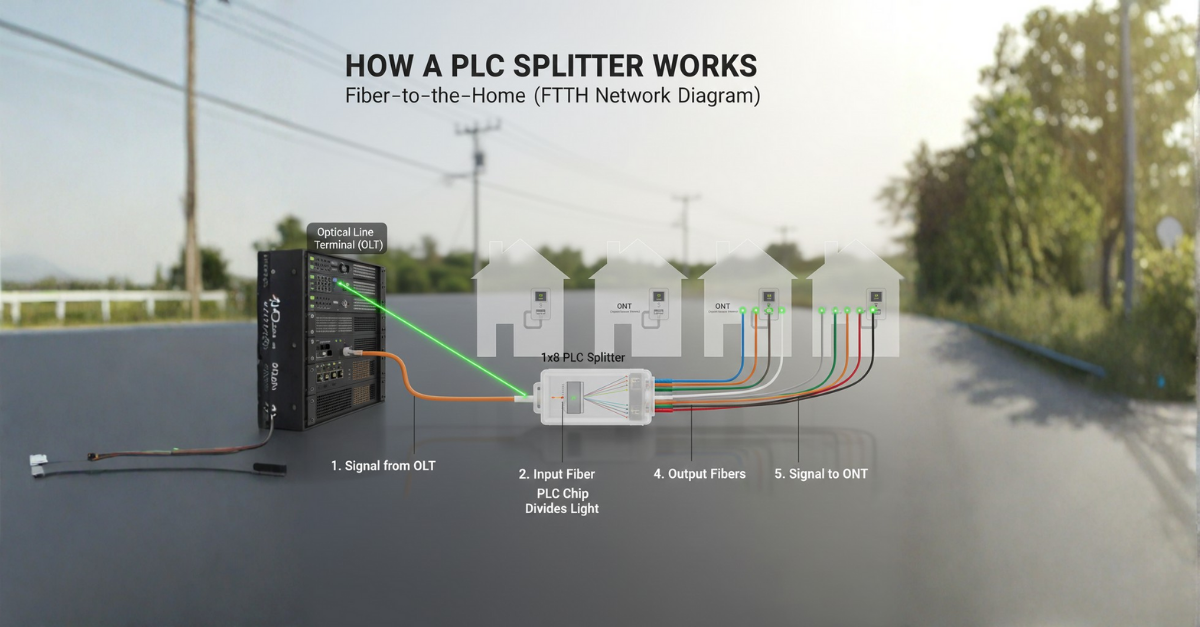
In a Gigabit Passive Optical Network (GPON), the goal is to serve multiple subscribers from a single optical fi ber without using expensive active electronics (like amplifi ers or repeaters) in the fi eld. This passive distribution requires a highly reliable device to divide the light signal uniformly.
The Solution: The PLC Splitter
A PLC splitter is an optical power management device that uses an integrated optical chip to efficiently divide a single incoming optical signal to deliver service to multiple homes.
- Key Advantage: Unlike older technologies, PLC splitters are valued for their uniformity across all output ports and their ability to handle large split ratios (up to 1:128) in a compact form factor. This makes them the standard choice for modern high-density FTTH deployments.
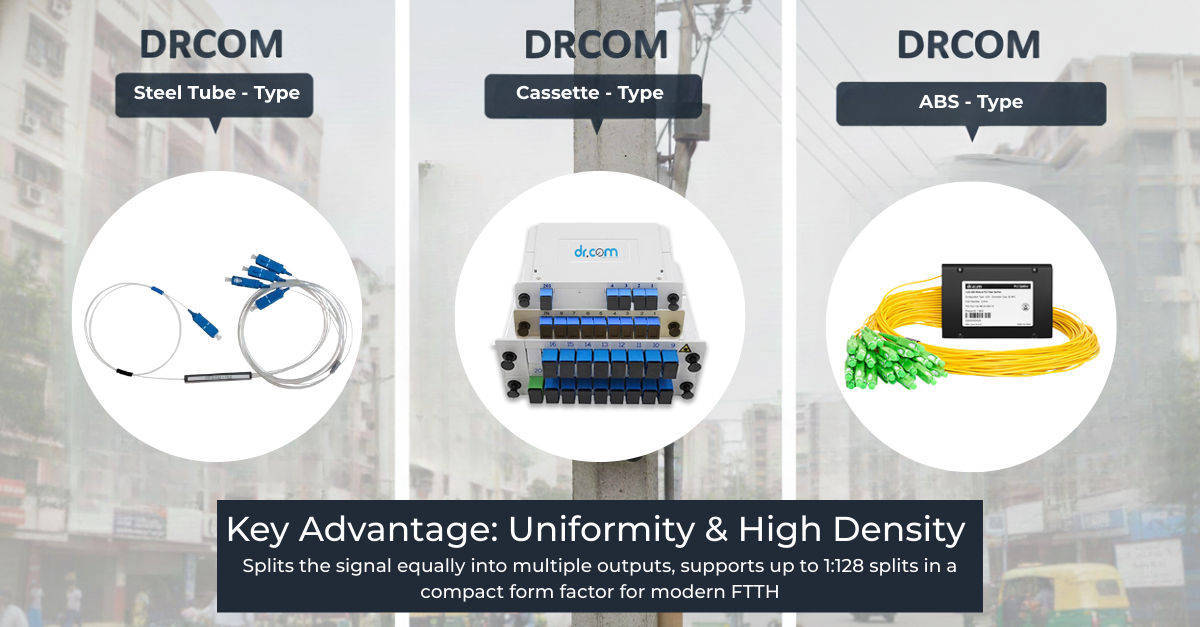
DRCOM offers PLC splitters in various packaging types to suit any deployment scenario:
- Steel Tube - Type: The Steel Tube type is cased in metal for better protection than bare fi ber.
- Cassette - Type: The cassette is indeed the type most commonly used in Fibre Distribution Boxes (FDBs) due to its protective plastic housing.
- ABS - Type:ABS is generally the one for plug-and-play installation in ODFs. This is mostly correct but often refers to a metal box, not just a plastic enclosure.
2. Calculating the Power Budget: The Critical Metric
The most critical factor in choosing a splitter ratio is the optical power budget. This is the total allowable power loss between the Optical Line Terminal (OLT) and the Optical Network Terminal (ONT) at the customer's home.
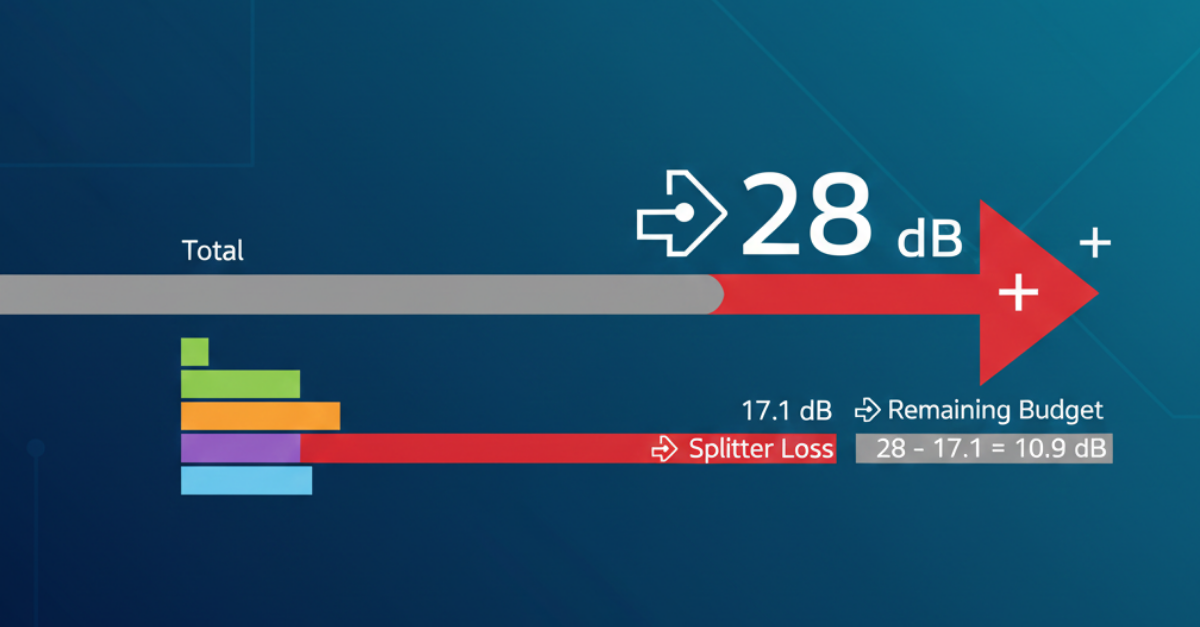
A standard GPON link (Class B+) typically has a maximum budget of 28 dB.
The Loss Formula
You must ensure that the total loss from all network components does not exceed this budget.
Total Loss = Cabling Loss + Splice Loss + Connector Loss + Splitter Loss [cite: 26]
Split Ratios and Typical Loss
The split ratio determines how many customers share a single upstream port on the OLT. Note how quickly the insertion loss consumes the power budget:
Example: If you choose a 1x32 splitter (17.1 dB loss), you only have about 10.9 dB remaining for all other losses (fi ber, splices, connectors) along the entire network path.
3. Maximizing Efficiency: Choosing Your Architecture
The two primary architectures for deploying splitters Centralized and Cascaded offer different trade-offs in terms of fi ber count, cost, and maintenance.
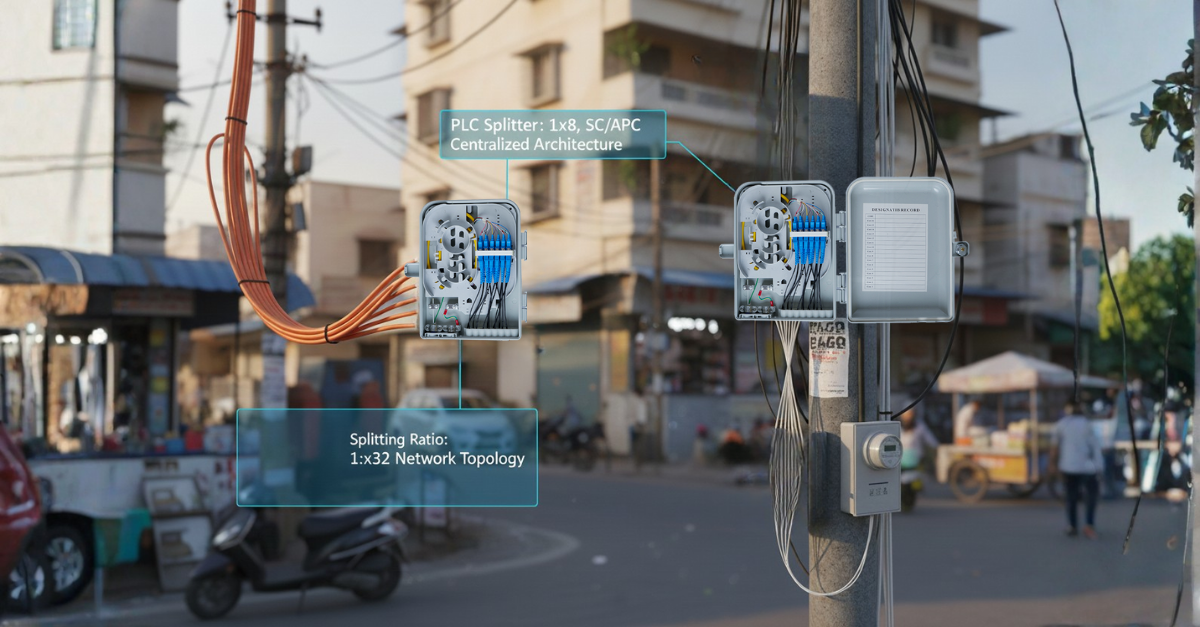
A. Centralized Splitting (Single Stage)
- Architecture: A single large splitter (e.g., 1x32 or 1x64) is placed close to the subscribers in a distribution cabinet.
- Pros: Centralized management, easy testing, and minimal fi ber splicing in the fi eld.
- Cost & Fiber: Requires a dedicated, dense fi ber pair running from the OLT to the distribution point, increasing the initial feeder cable cost.
- Best for: Dense urban areas where subscriber growth is predictable and consistent.
B. Cascaded Splitting (Two Stage)
- Architecture: Uses two or more splitters in series (e.g.,1x4 splitter followed by eight 1x8 splitters to achieve the fi nal 1x32 ratio).
- Pros: Phased deployment, lower initial investment, and better for large geographical areas.
- Cost & Fiber: Allows for a low fi ber count in the initial feeder cable, reducing backbone costs.
- Best for: Suburban or rural areas where deployment is phased or scattered, minimizing feeder fi ber costs.
4. Conclusion: Future-Proofing with Quality Components
The performance of any FTTH network, regardless of the architecture you choose, ultimately depends on the quality of its passive components. Low-grade splitters can introduce unacceptable levels of insertion loss or non-uniformity, quickly draining your power budget. By using TSEC-certifi ed, high-grade PLC splitters and FTTH Accessories from dr-com.com, you ensure minimal loss and maximum signal integrity. This gives you the crucial dB margin needed to confi dently choose higher split ratios and future-proof your network for the next generation of broadband speed.